

In today's crowded digital landscape, capturing audience attention for social causes is challenging. However, animation offers a vibrant and compelling way to cut through the noise. Consequently, many marketing managers are turning to animation for their social advertising campaigns.
What is social advertising?
Social advertising[1] aims to promote social causes, raise awareness, or inspire behavioral change rather than directly selling a product for profit. It often tackles complex issues like public health, environmental protection, or human rights. Therefore, the messaging needs to be clear and engaging.
Unlike traditional product advertising, social campaigns often deal with sensitive topics. Animation can present these issues in a more approachable and less confrontational manner. Moreover, it allows for creative storytelling that resonates deeply with viewers.
Why animation is powerful for social messages
Animation possesses unique qualities that make it ideal for social advertising. Firstly, it can simplify complex information. Abstract concepts or data can be visualized effectively through animation, making them easier to understand.
Secondly, animation transcends cultural and language barriers more easily than live-action video. Characters and scenarios can be universally relatable. Furthermore, it allows for the depiction of sensitive situations without exploiting real individuals.
Finally, animation evokes strong emotions. Well-crafted animated stories can create a powerful connection with the audience, fostering empathy and motivating action.
Types of animation for social campaigns
Several animation styles can be employed for social advertising, each with its strengths.
2D animation
Traditional 2D animation, including classic and modern styles, is versatile and cost-effective for many projects. It can range from simple cartoons to more sophisticated visual narratives. Therefore, it's a popular choice.
3D animation
3D animation offers depth and realism, making it suitable for more cinematic or immersive experiences. While often more expensive, its impact can be significant, especially when depicting realistic scenarios or environments.
Motion graphics
Motion graphics[2] combine text, shapes, and imagery in dynamic ways. This style is excellent for data visualization, explainer videos, and highlighting key messages concisely.
Stop-motion animation
Stop-motion, using physical objects or puppets moved incrementally, has a unique, tangible feel. It can create a nostalgic or whimsical tone, which might be perfect for certain social messages.
Key elements of effective animated social ads
To create a successful animated ad, several elements must work together.
Compelling storytelling
A strong narrative is crucial. Storytelling[3] in advertising helps to frame the issue, introduce characters viewers care about, and present a clear message. The story should be emotionally engaging and memorable.
Appealing character design
Characters, even abstract ones, can be the heart of an animated piece. They should be designed to resonate with the target audience and effectively convey emotions and actions relevant to the social issue.
Music and sound design
Sound is vital. Music sets the tone, and sound effects add realism or emphasis. A professional voice-over can also deliver the message with clarity and emotion.
Clear call to action
Every social ad needs a clear Call to Action (CTA)[4]. What do you want the viewer to do? Whether it's visiting a website, signing a petition, or changing a behavior, the CTA must be obvious and easy to follow.
The effectiveness of advertising, as defined in Vietnam's Law on Advertising 2012, involves using media to introduce products, goods, or services, including non-profit ones, to the public, as noted by PACE Institute of Management.
Planning your animated social ad campaign
A well-planned campaign is essential for success.
Defining objectives and target audience
Start by clearly defining what you want to achieve and who you want to reach. This will inform the animation style, message, and distribution channels. Understanding your audience is paramount.
Budget and timeline
Animation projects can vary significantly in cost and time. Establish a realistic budget and timeline early on. Simpler styles like motion graphics are generally quicker and cheaper than complex 3D animation.
Choosing the right platforms
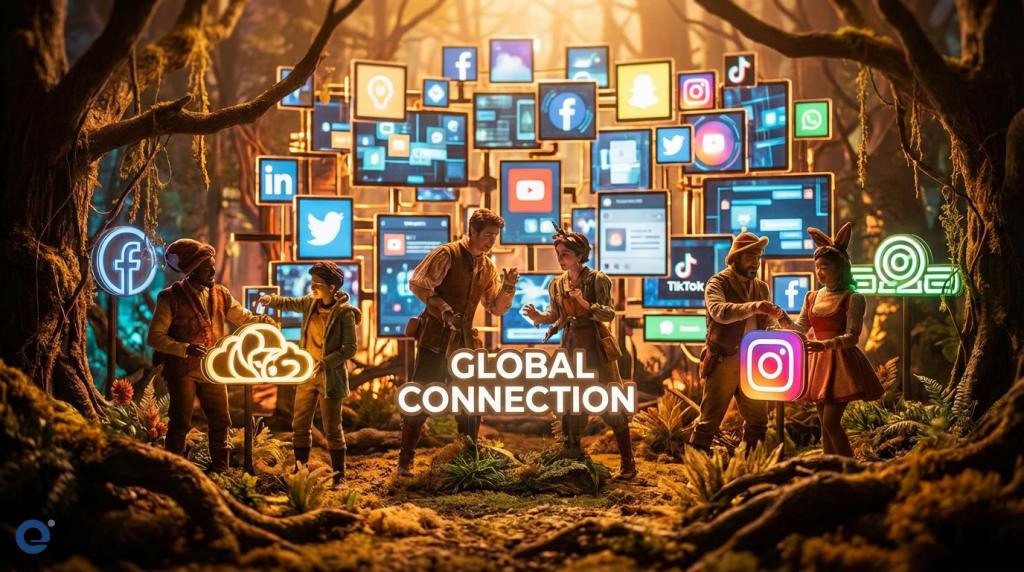
Where will your ad be seen? Platforms like YouTube, Facebook, Instagram, and TikTok have different ad formats and audience demographics. Tailor your animation's length and style to the chosen platforms for maximum reach[5].
Measuring impact
How will you measure success? Track key metrics like views, shares, click-through rates, and, if possible, real-world impact related to your social cause. This data is invaluable for future campaigns.
Advertising on various platforms, including online and even advertising on cars, can broaden your reach.
Challenges and considerations
While powerful, animation is not without its challenges. Production can be time-consuming and expensive. Also, it's crucial to ensure the animated style and tone are appropriate for the seriousness of the social issue being addressed.
Over-simplification can also be a risk. While animation helps simplify, ensure the core message remains accurate and nuanced. Authenticity is key, even in an animated format.
The future: AI and animation
The integration of AI in animation production is rapidly evolving. AI tools can assist with various stages, from character generation to motion smoothing, potentially making animation more accessible and efficient for social campaigns in the future.
Conclusion
Animation offers a dynamic and emotionally resonant medium for social advertising. By carefully planning, using compelling storytelling, and choosing the right style, marketing managers can create campaigns that not only capture attention but also drive meaningful social change. It is a tool that, when used effectively, can make a real difference.
More Information
- Social Advertising: A form of advertising that aims to promote social causes, raise awareness about issues, or encourage positive behavioral changes within a community or society, rather than directly selling a commercial product.
- Motion Graphics: Animation of graphic elements such as text, shapes, and logos, often combined with audio, used to create dynamic presentations, explainer videos, and title sequences. It focuses on movement and transformation of these elements.
- Storytelling (in advertising): The technique of using a narrative structure to convey an advertising message, creating an emotional connection with the audience by presenting a situation, characters, and a plot that relates to the brand or cause.
- Call to Action (CTA): An instruction or prompt in an advertisement designed to get an immediate response from the audience, such as "Learn More," "Donate Now," or "Sign the Petition."
- Reach (in advertising): The total number of different people or households exposed to a particular advertising medium or message at least once during a specified period. It measures the breadth of an ad campaign's audience.