Large-scale animated series represent a significant investment. However, they also offer immense creative and commercial potential. For executive producers, understanding the intricacies of these ambitious projects is crucial. This guide explores the journey of bringing epic animated stories to the screen.
The global demand for animated content is booming. Consequently, large-scale series, with their expansive worlds and long-form narratives, are gaining traction. These productions require careful planning and execution. Therefore, executive producers play a vital role in steering these complex ventures to success.
The genesis of a grand vision: Concept and development
Every large-scale animated series begins with a core idea. This concept must be strong enough to sustain multiple episodes and seasons. Furthermore, it needs to resonate with a broad audience. Executive producers often oversee the initial development phase. They work with writers and artists to flesh out the world, characters, and overarching plot.
Developing a compelling 'bible' for the series is essential. This document outlines the universe, character backstories, and key story arcs. Moreover, it serves as a guide for the entire production team. Early visual development also helps establish the look and feel of the series. This includes character designs and environment concepts.
Securing intellectual property and initial funding
Protecting the Intellectual Property (IP)[1] is paramount from the outset. Executive producers must ensure all rights are secured. Subsequently, they focus on securing initial funding. This often involves pitching the concept to studios, networks, or streaming platforms. A strong pitch package, including a pilot script and concept art, is vital.
Pre-production: Laying the foundation for scale
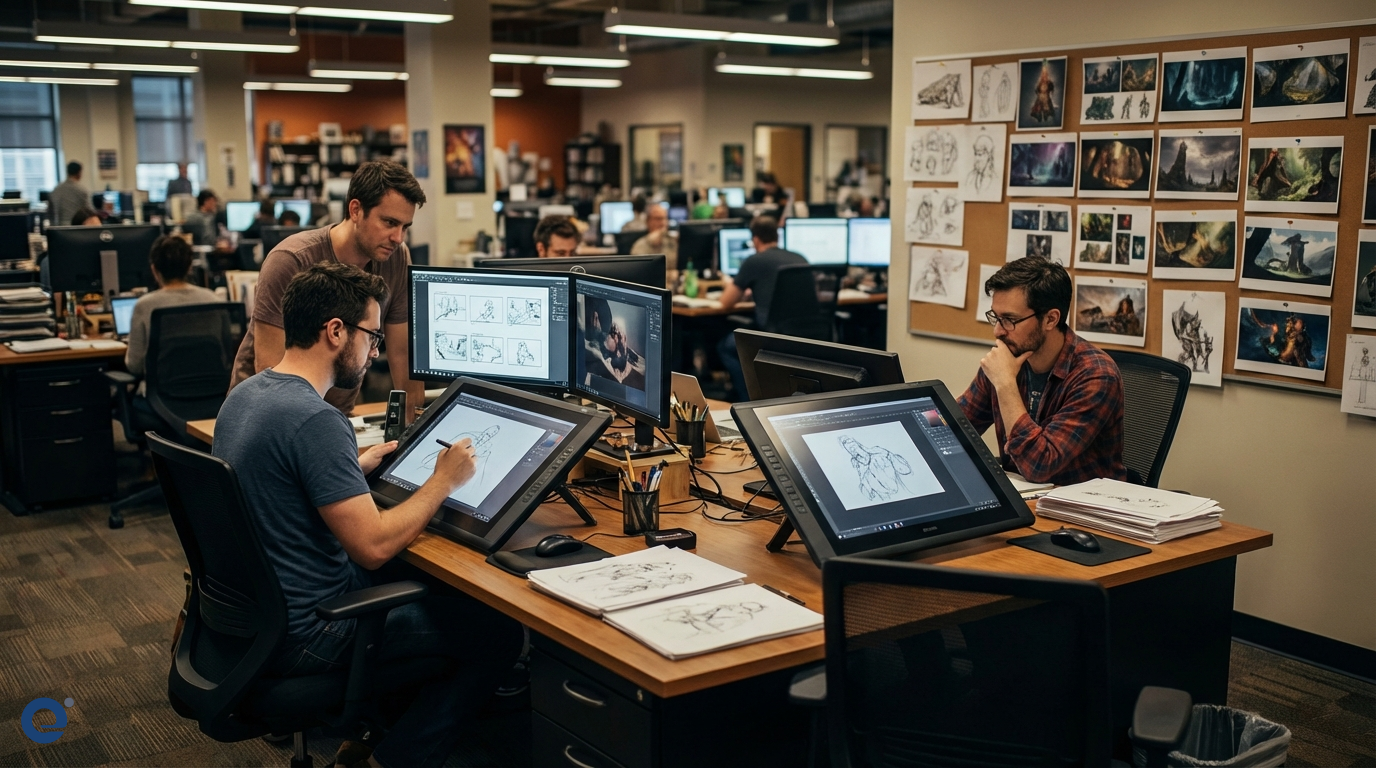
Once a series is greenlit, pre-production begins in earnest. This stage is about meticulous planning. Scriptwriting for multiple episodes often happens concurrently. Storyboarding visualizes the script, shot by shot. Animatics, which are timed storyboards with rough audio, help refine pacing and storytelling before full animation starts.
Character and environment modeling, if it's a 3D production, is a major part of this phase. For 2D, detailed model sheets are created. Pre-visualization (previs)[2] is increasingly used, especially for complex action sequences in 3D animation. This helps plan camera angles and movement.
Budgeting and scheduling become more detailed during pre-production. Executive producers work with line producers to map out the entire production timeline and resource allocation. This is critical for a large-scale project.
Building the team and pipeline
Assembling a talented team is crucial. This includes directors, art directors, animation supervisors, and a host of artists and technicians. Furthermore, establishing an efficient production pipeline is vital for managing the workflow across numerous episodes. Technology choices, like the animation software and asset management systems, are finalized here.
Production: The animation powerhouse
The production phase is where the animation is created. In large-scale series, this often involves multiple teams working in parallel. For 2D animation, this includes layout, background painting, character animation, effects animation, and compositing. For 3D, it involves modeling, texturing, rigging, animation, lighting, and rendering.
Managing the sheer volume of work is a significant challenge. Efficient asset management and clear communication are key. Regular reviews and approvals ensure quality and consistency across episodes. Executive producers monitor progress closely, addressing any bottlenecks or creative challenges that arise.
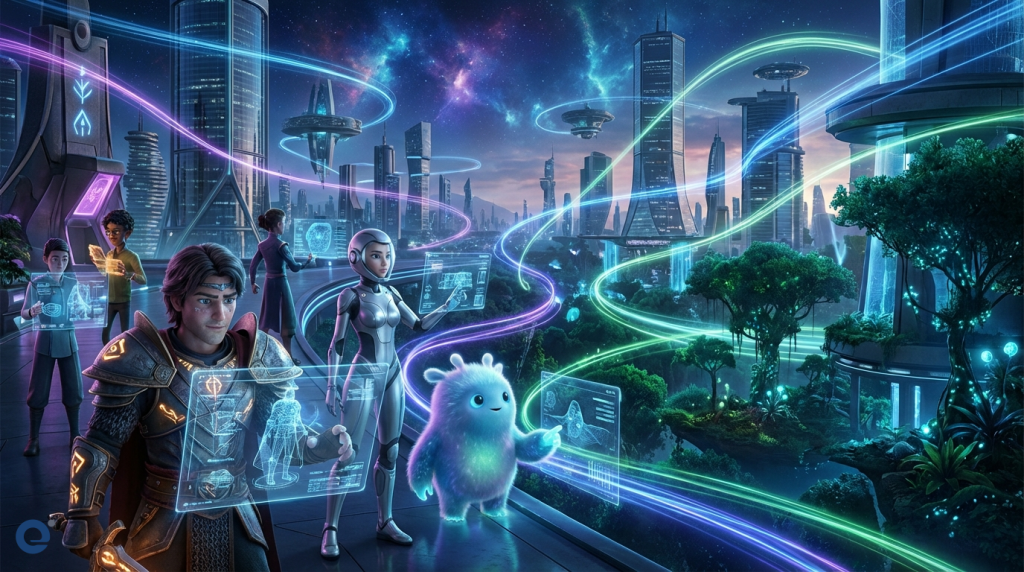
For 3D animation, managing the render farm[3] becomes a critical operational aspect. Large-scale series generate enormous amounts of data that need to be rendered efficiently.
Voice recording and sound design
Voice recording often begins during pre-production or early production. Capturing strong performances is essential. Sound design, including Foley and ambient effects, adds depth and realism to the animated world. Music composition also plays a vital role in setting the tone and enhancing the emotional impact.
Post-production: Assembling the final picture
Post-production involves editing, color correction, final sound mixing, and visual effects integration. Each episode goes through this process. Maintaining consistency across a long series requires careful attention to detail.
The final sound mix blends dialogue, sound effects, and music. Color grading ensures a consistent look and feel. Executive producers oversee the final delivery of each episode, ensuring it meets technical specifications and creative expectations.
Quality control and delivery
Quality control (QC) is the final step before delivery. Every frame is checked for errors. For large-scale series, this is a substantial undertaking. Once QC is complete, the episodes are delivered to the broadcaster or streaming platform.
Distribution and marketing: Reaching the audience
A successful large-scale animated series needs a strong distribution and marketing strategy. Executive producers often contribute to these plans. Identifying the target audience and the best platforms to reach them is crucial.
Marketing campaigns build anticipation before and during the series launch. This can include trailers, social media engagement, and merchandise. Transmedia storytelling[4], extending the story world across different platforms, can also be effective for large-scale IPs.
Global markets and co-productions
Large-scale animated series often target global audiences. International distribution deals are common. Co-production[5] agreements with companies in different countries can help finance large projects and facilitate access to global markets. Executive producers may be involved in negotiating these deals.
Budgeting and financial oversight
Managing the budget of a large-scale animated series is a primary responsibility for executive producers. These projects involve significant financial investment over several years. Careful cost tracking and forecasting are essential.
Executive producers work with finance teams to monitor spending and ensure the project stays within budget. They may also be involved in securing additional funding rounds if needed. Understanding tax incentives and co-production treaties can also impact the financial structure of a project.
Managing risks and contingencies
Large projects inevitably face challenges. Production delays, creative hurdles, or budget overruns can occur. Executive producers must be adept at risk management and have contingency plans in place. Their experience is vital in navigating these issues.
The future of large-scale animation
The demand for ambitious animated series continues to grow. Streaming platforms are investing heavily in original animated content. Technologies like real-time rendering and AI-assisted animation tools are also evolving, potentially impacting future production workflows. For instance, AI in animation production is opening new avenues.
Executive producers who can blend creative vision with strong management and financial acumen will be well-positioned to lead the next wave of successful large-scale animated series. The ability to manage complex productions and deliver high-quality content on a grand scale remains a valuable skill. Furthermore, understanding how to build and manage teams for projects like character rigging is vital.
More Information
- Intellectual Property (IP): Refers to creations of the mind, such as inventions, literary and artistic works, designs, symbols, names, and images used in commerce. In animation, it's the original story, characters, and world.
- Pre-visualization (Previs): A process used to visualize complex scenes in a movie or animation before filming or full animation begins. It often uses simplified 3D models and animation to plan shots and sequences.
- Render Farm: A cluster of computer systems—a computer farm—used for rendering computer-generated imagery (CGI), typically for film and television visual effects, as well as animation.
- Transmedia Storytelling: The technique of telling a single story or story experience across multiple platforms and formats using current digital technologies, like games, comics, or web content, related to the main series.
- Co-production: A joint venture between two or more different production companies for the purpose of producing a film, television series, or other media project. It often involves partners from different countries to share costs and access markets.