Architectural animation is changing how architects present their ideas. It brings designs to life before construction begins. Therefore, it has become a vital tool in the industry. This article explores the world of architectural animation. We will discuss its benefits, process, and future. Architects can gain valuable insights here.
What is architectural animation?
Architectural animation is the art of creating moving images of architectural designs. These animations showcase buildings, landscapes, and interiors. Moreover, they provide a dynamic and realistic view of a project. Unlike static images, animations can show space and flow. Consequently, clients understand the design much better. It bridges the gap between concept and reality.
From sketches to motion
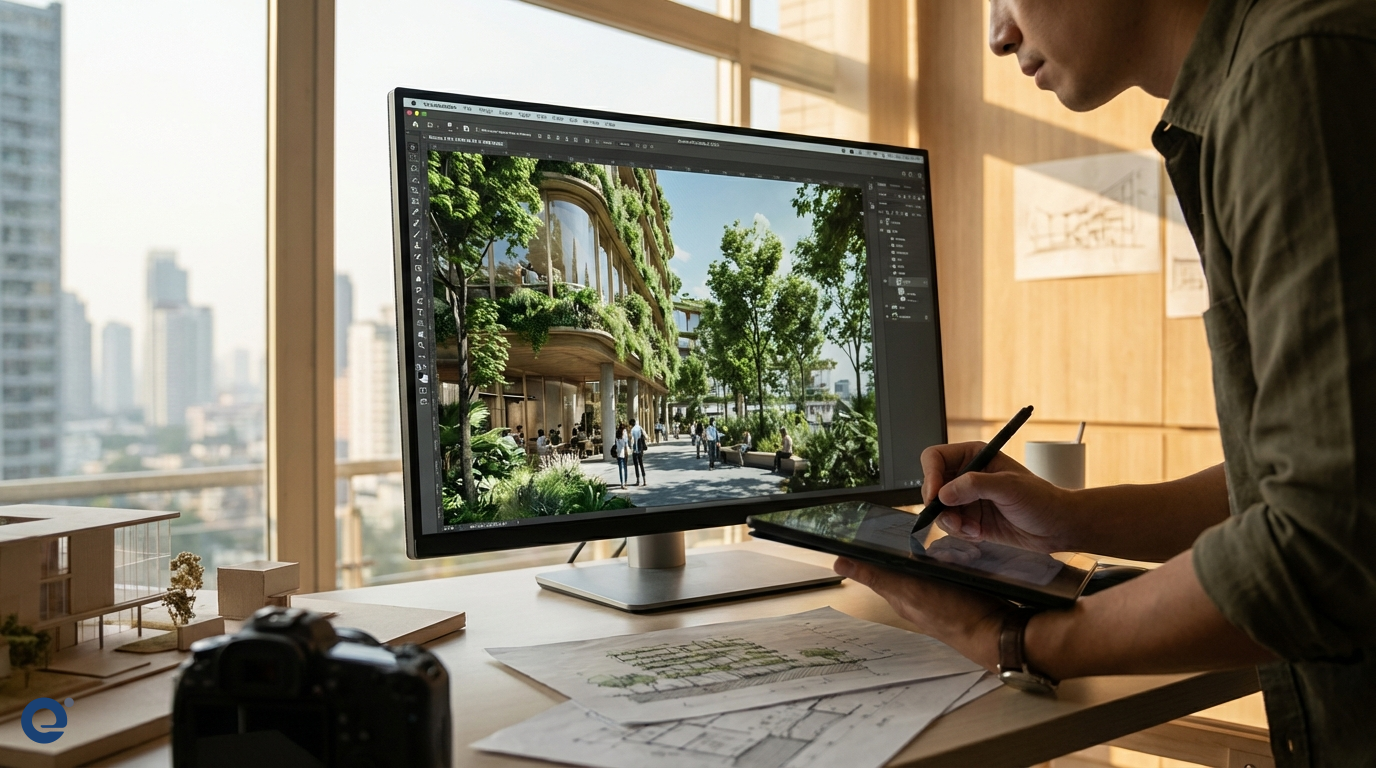
The journey from a simple sketch to a full animation is complex. It involves several stages. Initially, architects develop 2D drawings and 3D models. Then, animators add textures, lighting, and movement. Finally, the scenes are rendered into a video. This process requires both artistic skill and technical expertise.
The evolution from static renders to dynamic animations
Architectural visualization has come a long way. It started with hand-drawn perspectives. Later, computer-generated static renders became popular. However, static images have limitations. They cannot fully convey the experience of a space. Animation, on the other hand, offers a virtual tour. It allows viewers to experience the design as if they were there. This evolution was driven by technology.
The rise of 3D modeling
The advent of 3D modeling software was a game-changer. It allowed for the creation of detailed digital models. These models formed the basis for both static renders and animations. Subsequently, rendering technology improved significantly. We now see incredibly realistic visuals. Photorealism[1] is the goal for many visualizations.
Architectural animation offers numerous advantages. It enhances communication between architects and clients. Furthermore, it helps in design validation and marketing. Let's explore these benefits.
Improved communication and understanding
Animations make complex designs easy to understand. Clients can visualize the final product clearly. This reduces misunderstandings and costly revisions later. Therefore, it streamlines the approval process. Everyone gets a better sense of scale and space.
Effective design validation
Architects use animations to test and refine their designs. They can identify potential issues early on. For instance, they can check lighting conditions or spatial arrangements. This leads to better design outcomes. It is a powerful tool for self-assessment.
Powerful marketing and presentation tool
Animations are excellent for marketing presentations. They create a strong emotional impact. Moreover, they help developers secure funding and pre-sales. A compelling animation can make a project stand out. It showcases the vision effectively.
The architectural animation creation process
Creating an architectural animation involves several steps. Each step is crucial for the final output. It starts with understanding the project goals.
1. Briefing and storyboarding
The process begins with a detailed brief from the architect or client. Key elements like the target audience and purpose are defined. Then, a storyboard[2] is created. This outlines the sequence of shots and camera paths. It acts as a visual script.
2. 3D modeling
If a 3D model doesn't exist, it needs to be built. Architects often provide base models from their design software. These models are then refined and detailed for animation. Accuracy is very important here.
3. Texturing and lighting
Materials and textures are applied to the 3D models. This gives surfaces a realistic look. Lighting is then set up to mimic real-world conditions. Good lighting is essential for realism. It creates mood and depth.
4. Animation
This is where movement is added. Camera paths are defined based on the storyboard. Elements like people, vehicles, or weather effects can be animated. The goal is to create a dynamic and engaging scene.
5. Rendering
Rendering is the process of generating the final images. Each frame of the animation is rendered individually. This is computationally intensive. It can take hours or even days. Cloud rendering services are often used.
6. Post-production
After rendering, post-production work is done. This includes editing, color correction, and adding sound. Music and voiceovers can enhance the animation significantly. The final video is then delivered.
Software and technologies driving animation
Several software packages are popular in architectural animation. Autodesk 3ds Max and Maya are industry standards. V-Ray and Corona Renderer are common rendering engines. For real-time experiences, game engines like Unreal Engine and Unity are used. Creating captivating environments with Unreal Engine allows for interactive walkthroughs.
The role of BIM
Building Information Modeling (BIM)[3] data can be used directly in the animation process. This ensures accuracy and consistency. BIM models contain rich information about the building. Therefore, they are valuable assets for visualization.
Different types of architectural animations
There are various types of architectural animations. Each serves a different purpose. Let's look at some common ones.
Walkthroughs and fly-throughs
Walkthroughs simulate walking through a space. Fly-throughs provide an aerial view of the project. Both give a sense of the layout and scale. They are very popular for presentations.
Conceptual animations
These animations focus on the design concept. They might be more abstract or artistic. They aim to convey the feeling and idea behind the design. They are useful in the early stages.
Construction sequencing animations
These show the construction process over time. They are useful for planning and logistics. They can visualize how the building will be assembled. This helps project managers.
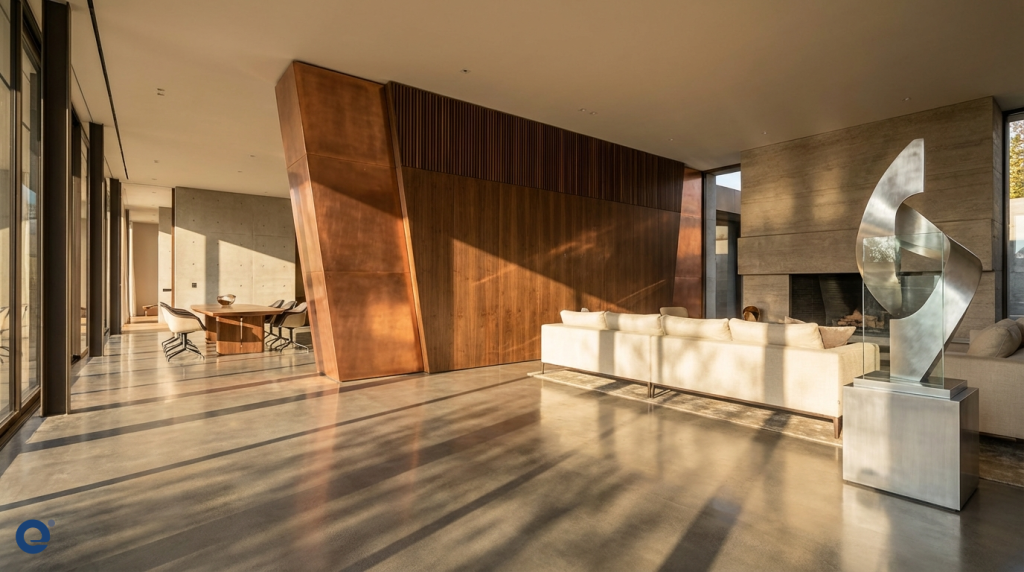
An animated walkthrough showcasing the interior of a modern sunlit atrium.
Integrating animation into the design workflow
Animation should not be just an afterthought. Integrating it early into the design process is beneficial. Architects can use quick animations to study design options. This iterative approach leads to better designs. It allows for rapid prototyping of spatial ideas.
Real-time rendering
Real-time rendering[4] is becoming more accessible. It allows architects and clients to explore 3D models interactively. Changes can be seen instantly. This is transforming design reviews. It makes the process more dynamic.
Challenges and considerations
While powerful, architectural animation has challenges. Cost and time are significant factors. Creating high-quality animations requires investment. Also, managing client expectations is important. The animation should accurately represent the final design.
Keeping it realistic
Overly fantastical animations can be misleading. It is crucial to balance artistic flair with realism. The animation should be a true representation. Otherwise, it can lead to disappointment.
The future: VR, AR, and interactive experiences
The future of architectural animation is exciting. Virtual Reality (VR)[5] and Augmented Reality (AR) are becoming integrated. Clients can immerse themselves in virtual models. They can experience the space before it is built. Interactive real-time environments are also on the rise. These allow users to explore and modify designs freely. The future of virtual reality animation promises even more immersive experiences for architecture.
AI in animation
Artificial intelligence is also playing a role. AI tools can automate parts of the animation process. This could reduce costs and production times. It might also open up new creative possibilities.
Conclusion: A vital tool for modern architects
Architectural animation is no longer a luxury. It is an essential tool for design, communication, and marketing. It helps architects refine their vision. It allows clients to understand and engage with projects deeply. As technology advances, animation will become even more integral to architecture. Embracing it is key to staying competitive.
More Information
Photorealism: In computer graphics, photorealism is the goal of creating images that are indistinguishable from photographs. It involves accurately simulating light, materials, and textures to achieve a high level of realism in the rendered output.
Storyboard: A storyboard is a sequence of drawings, typically with some directions and dialogue, representing the shots planned for a film or television production. In animation, it visually outlines the narrative and camera movements.
BIM (Building Information Modeling): BIM is an intelligent 3D model-based process that gives architecture, engineering, and construction professionals the insight and tools to more efficiently plan, design, construct, and manage buildings and infrastructure.
Real-time rendering: This is the process of generating images from a 3D model so rapidly that they appear to be happening in real time, allowing for immediate feedback and interaction, often used in game engines and interactive visualizations.
VR (Virtual Reality): VR is a simulated experience that can be similar to or completely different from the real world. Applications of VR include entertainment, education, and, in architecture, immersive design reviews and virtual tours.