
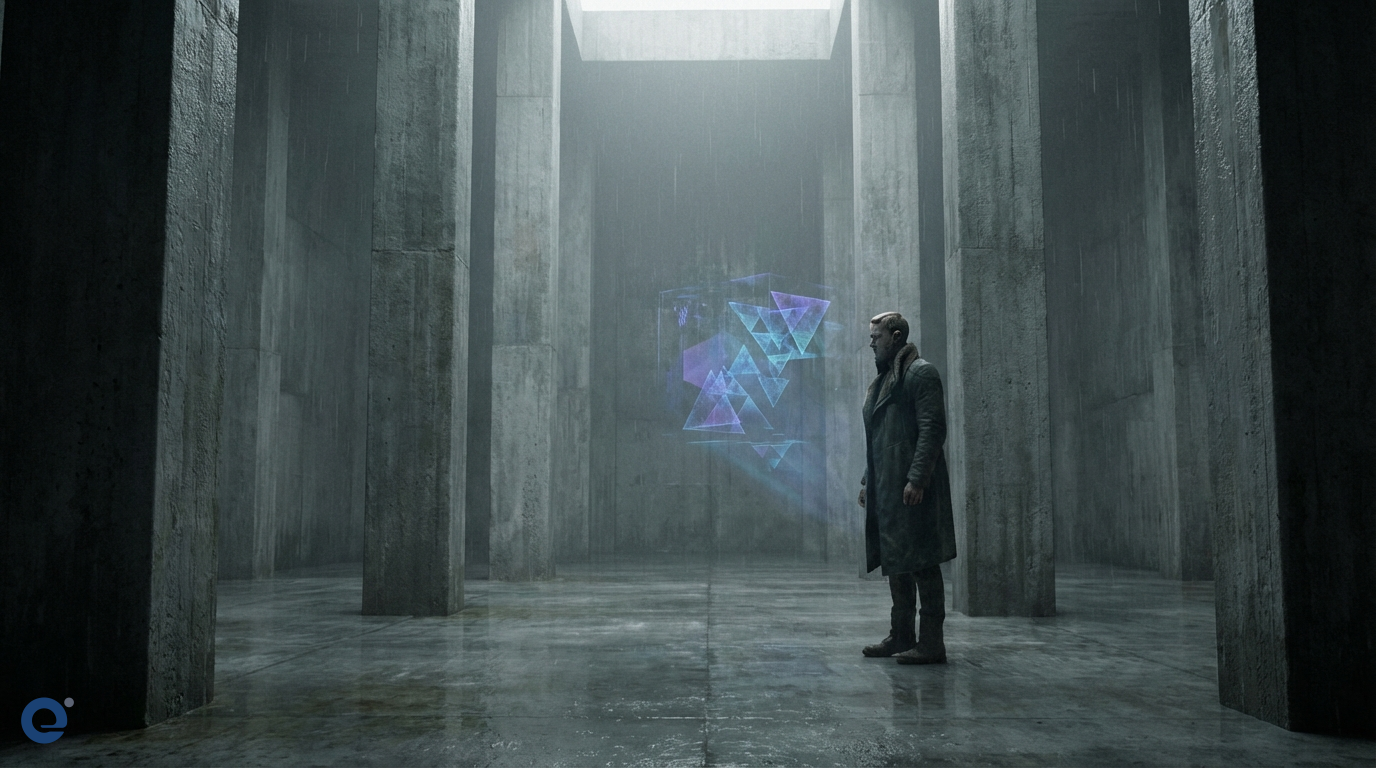
The world of animation is constantly evolving. New technologies emerge regularly. Augmented Reality[1] (AR) is one such technology making big waves. It allows creators to blend digital animation with the real world. This creates exciting new experiences for users.
This article explores Augmented Reality Animation. We will look at its applications and benefits. We will also discuss how it's made and its future potential, particularly noting examples from Vietnam.
What is augmented reality animation?
Augmented Reality Animation overlays animated elements onto a user's view of the real world. This is usually done through a smartphone, tablet, or AR glasses. Unlike Virtual Reality (VR), which creates a completely digital environment, AR enhances our existing reality. Therefore, animated characters can appear to walk on our tables. Digital information can overlay real-world objects.
The core idea is to make digital animations interact with the physical environment in a seemingly real way. This opens up many creative possibilities.
Applications of AR animation
AR animation is finding its place in various fields. It is not just for entertainment. Many industries are exploring its potential.
Entertainment and gaming
Gaming is a natural fit for AR animation. Games like Pokémon GO brought AR to the mainstream. Players could find animated creatures in their real-world surroundings. Similarly, other games use AR to bring characters and objects into the player's space. This makes the experience more immersive.
Marketing and advertising
Brands are using AR animation to create engaging advertisements. Imagine a magazine ad where an animated character pops out of the page. Or a product package that reveals animated instructions when viewed through a phone. These interactive experiences capture attention effectively. For instance, the application of AR in designing Vietnamese animated film posters shows how it can enhance traditional media.
Education and training
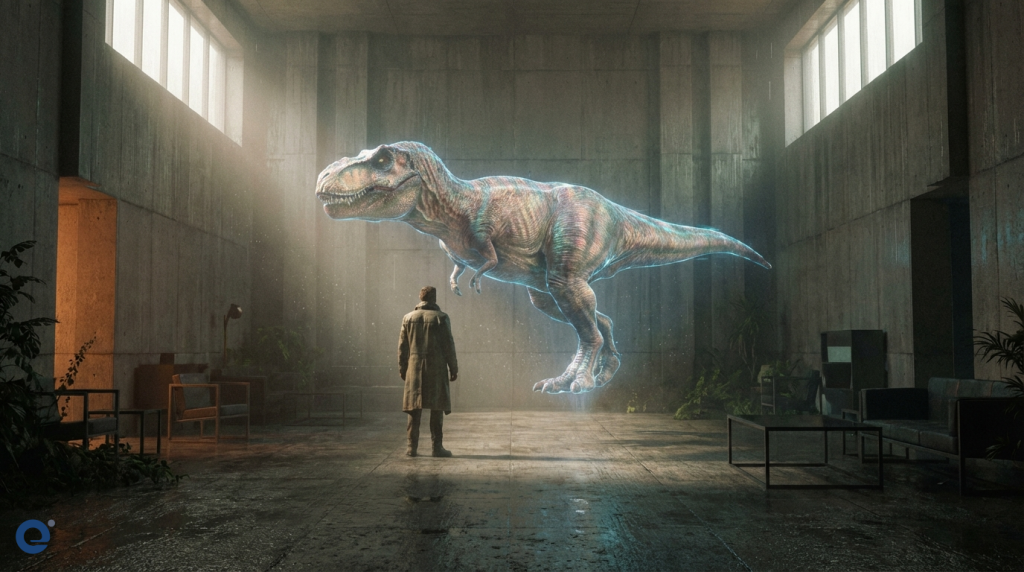
AR animation can make learning more interactive. Students can see animated 3D models of dinosaurs in their classroom. Medical students can view animated representations of human anatomy. Complex machinery can be explained with animated overlays in training sessions. This enhances understanding and retention.
Art and exhibitions
Artists and museums are using AR to enhance exhibits. A static painting or sculpture can come to life with animation when viewed through an AR app. As seen with the "Mon Ngon Ha Noi" photo exhibition, AR can bring photos to life, showing the cooking process and cultural stories behind dishes, creating a multi-sensory experience.
Retail and e-commerce
AR allows customers to visualize products in their own space before buying. You could see how a new sofa looks in your living room through AR. Animated elements can also highlight product features or show different variations.
Benefits of AR animation
Integrating animation with AR offers several advantages. It significantly enhances user engagement. Interactive AR experiences are more memorable than passive content.
It also provides better visualization. Complex ideas or products can be shown in 3D animated form within a real context. This improves understanding. Moreover, AR animation can bridge the gap between digital content and the physical world. It makes digital information more accessible and contextually relevant.
For creators, it opens new avenues for storytelling and artistic expression. Animations are no longer confined to a screen. They can interact with the world around us.
Creating AR animation: Tools and techniques
Creating AR animation involves several steps. It starts with 3D modeling and animation. Artists create 3D models of characters or objects. They then animate these models using software like Blender, Maya, or 3ds Max. These animations often involve techniques similar to those used in CGI techniques in cinema.
Next, these animations are imported into an AR development platform. Popular platforms include Unity with AR Foundation, Unreal Engine, Apple's ARKit, and Google's ARCore. These platforms provide tools to integrate animations with AR functionalities.
Developers then define how the animations will interact with the real world. This can be done through marker-based AR[2] or markerless AR[3] techniques. Marker-based AR uses specific images or objects as triggers. Markerless AR uses environment understanding to place and track animations.
Finally, the AR experience is packaged into an app or web-based AR experience. Thorough testing is crucial to ensure the animation looks and behaves correctly in different environments.
Challenges in AR animation
Despite its potential, AR animation faces challenges. Hardware limitations are significant. The processing power and battery life of mobile devices can restrict the complexity of AR animations. Also, the field of view in some AR glasses is still limited.
Developing AR content can be complex and expensive. It requires specialized skills in 3D animation and AR development. Creating a seamless and realistic interaction between digital animations and the real world is technically demanding. The User Experience (UX)[4] design for AR is also still evolving.
Lighting and occlusion (how virtual objects are blocked by real objects) are tricky. Making animated objects look like they naturally belong in the real environment requires advanced rendering techniques.
The future of AR animation
The future of AR animation looks bright. As AR hardware becomes more powerful and affordable, we can expect more sophisticated AR experiences. Advances in AI and computer vision will improve the realism and interactivity of AR animations.
We might see more AR animation integrated into our daily lives. From navigation overlays to interactive product manuals, the applications are vast. The development of the metaverse could also heavily feature AR animation, blending digital and physical realms more seamlessly.
Furthermore, 5G technology will enable faster streaming of high-quality AR content. This will reduce the reliance on device processing power.
AR animation in Vietnam
Vietnam is also exploring the potential of AR animation. The use of AR in designing posters for Vietnamese animated films is a great example. It aims to add a new dimension to how audiences interact with film promotions. This can help preserve and promote Vietnamese cultural identity in design, as mentioned in the context of AR.
The "Mon Ngon Ha Noi" exhibition also highlights how AR can bring cultural content to life. It combines visual art with technology to offer a richer experience. These examples show a growing interest in using AR to enhance artistic and cultural expression in Vietnam. This can contribute to the teaching programs about poster design and graphic design in the country.
Research into the effectiveness of AR in designing posters for Vietnamese animation films suggests a new perspective. It can contribute to the curriculum and encourage young designers to preserve Vietnamese culture in their work. The goal is to elevate Vietnamese graphic design.
Conclusion
Augmented Reality Animation is a powerful medium. It merges the imaginative world of animation with our physical reality. While challenges remain, the continuous advancements in technology promise a future where AR animation becomes more integrated into our lives. From entertainment to education and art, it offers new ways to interact with digital content and the world around us. The developments in Vietnam show a keen interest in adopting this technology for cultural and artistic purposes, paving the way for innovative applications.
More Information
- Augmented Reality (AR): A technology that overlays computer-generated images, including animations and information, onto a user's view of the real world, enhancing their perception of reality.
- Marker-based AR: A type of AR that uses specific, pre-defined visual markers (like QR codes or images) in the real world to trigger and position digital content, such as animations.
- Markerless AR: A more advanced form of AR that does not require specific markers. It uses sensors and algorithms to understand the real-world environment (like planes and surfaces) to place and track digital objects and animations.
- User Experience (UX): The overall experience a person has when interacting with a product or service, especially in terms of how easy and pleasing it is to use. In AR, this involves the intuitiveness and immersion of the interaction.
- Computer-Generated Imagery (CGI): The application of computer graphics to create or contribute to images in art, printed media, video games, simulators, computer animation and VFX in films, television programs, shorts, commercials, and videos.