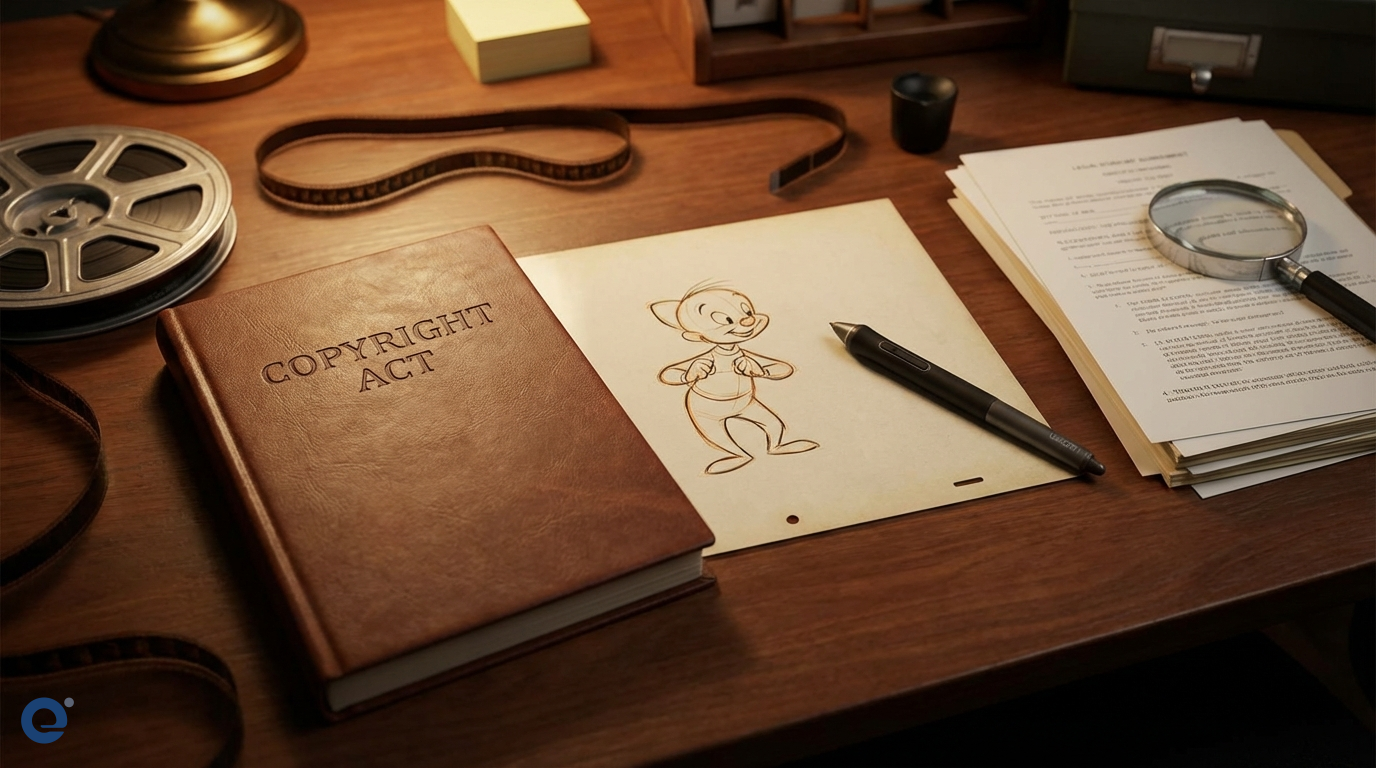
The animation industry is a vibrant and global field, built on creativity and imagination. From beloved cartoon characters to stunning visual effects in films, animation captivates audiences worldwide. However, behind every animated creation lies a web of intellectual property rights, with copyright being the most crucial. Understanding copyright in the animation industry is essential for creators, studios, and businesses involved in this dynamic sector.
The fundamental importance of copyright in animation
Copyright law grants creators of original works, including animated films and their elements, exclusive rights to control how their work is used. This protection is vital. It allows animators, writers, and studios to reap the rewards of their labor and investment. Without copyright, the incentive to create new and original animated content would be significantly diminished.
Moreover, copyright provides a legal framework for licensing and distributing animated works. This enables creators to monetize their creations through various channels, such as broadcasting, merchandise, and international distribution. Therefore, robust copyright protection fuels the economic engine of the animation industry.
What does copyright protect in animation?
Copyright in animation is multifaceted, covering various elements of an animated production. These include:
- Characters: The visual appearance, traits, and sometimes even the names of animated characters can be protected by copyright. Think of iconic characters like Mickey Mouse; their distinctive look and personality are safeguarded.
- Story and Script: The narrative, dialogue, and plot of an animated film or series are original literary works and are thus copyrightable.
- Visual Elements: The unique artwork, backgrounds, and overall visual style of an animation contribute to its originality and are protected.
- Soundtracks and Music: The original music and sound effects created for an animation are also subject to copyright.
It's important to note that copyright protects the *expression* of ideas, not the ideas themselves. For example, the idea of a talking animal is not copyrightable, but a specific animated talking animal with a unique design and story is.
The rise of character licensing
One of the most significant revenue streams in the animation industry is Character Licensing[1]. This is the practice of granting third parties the right to use copyrighted characters on various products and services, such as toys, clothing, games, and theme parks. Companies like Disney have built empires on the strength of their character licensing programs, demonstrating its immense economic potential.
Character licensing allows animation studios to extend the reach and lifespan of their creations far beyond the screen. It builds brand recognition and creates a deeper connection with the audience. As mentioned in Vietnamese media reports, character licensing is a field that, while globally massive, is still relatively nascent in countries like Vietnam, presenting significant opportunities.
The global market for licensed merchandise is enormous, and animated characters are a huge part of it. Successful character licensing requires careful management of the brand and ensuring the quality of licensed products to maintain the character's integrity.
Navigating copyright disputes
Unfortunately, the animation industry is not immune to copyright disputes. Copyright Infringement[3] occurs when someone uses copyrighted work without the owner's permission. These disputes can be costly and time-consuming.
A notable example involves the animated characters Wolfoo and Peppa Pig. Sconnect, the Vietnamese company behind Wolfoo, has been embroiled in a legal battle with Entertainment One (eOne), the former owner of Peppa Pig, over alleged copyright infringement. Sconnect claims significant financial losses due to eOne's actions of reporting Wolfoo videos on YouTube, even after eOne reportedly transferred Peppa Pig rights to Hasbro. This case highlights the complexities of copyright enforcement on global platforms like YouTube and the financial impact of such disputes.
These disputes often involve detailed comparisons of characters, storylines, and other elements to determine if substantial similarity exists, which is a key factor in proving infringement.
Challenges in the digital age
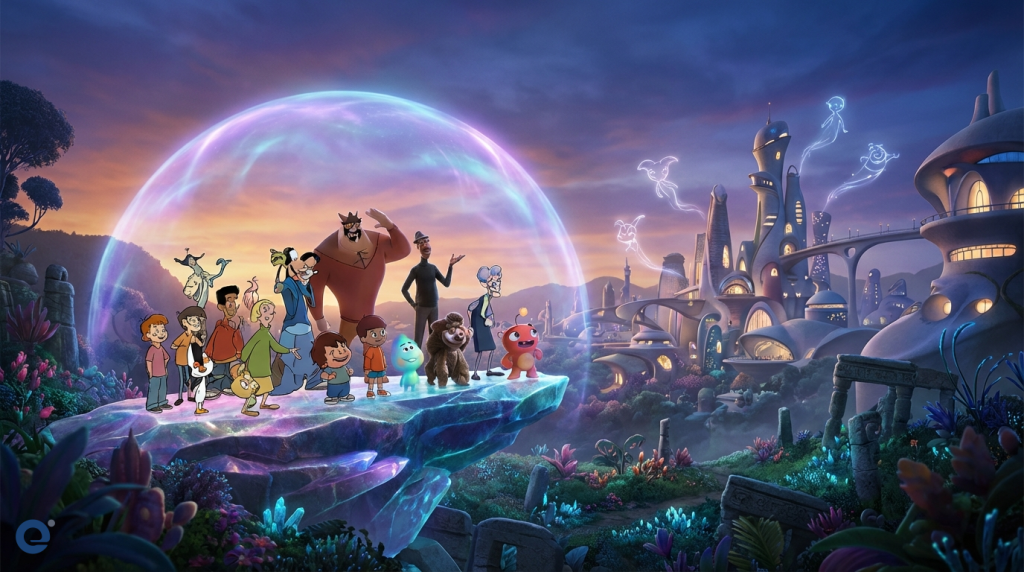
The digital revolution and the rise of the internet have transformed how animated content is distributed and consumed. Over-The-Top (OTT) platforms[5] like Netflix and streaming services have made animation more accessible than ever. However, this digital landscape also presents significant challenges for copyright protection.
Digital piracy is rampant. Animated films and series can be illegally copied and distributed online almost instantaneously, leading to substantial revenue losses for creators and studios. The ease with which content can be shared globally makes enforcement difficult.
Furthermore, technologies like screen recording and VPNs allow users to bypass geographical restrictions and access or distribute content illicitly. Traditional Digital Rights Management (DRM)[2] solutions, while helpful, are not always sufficient to combat these evolving threats.
The role of AI in protecting animation copyright
Artificial Intelligence (AI) is emerging as a powerful tool in the fight against copyright infringement in the digital realm. AI-powered solutions can monitor online platforms for unauthorized use of copyrighted content much more efficiently than manual methods.
As discussed in articles about digital content, AI can be used to identify and flag pirated content, track its distribution, and even automate the process of sending takedown notices. Some advanced systems can detect unauthorized use even when the content has been altered or is of low quality. For instance, solutions like Sigma Active Observer (SAO) aim to go beyond traditional DRM by actively detecting and reporting copyright infringement risks, including VPN usage and screen recording.
AI can analyze vast amounts of data to identify patterns of infringement and help rights holders take proactive measures. This is crucial in the fast-paced online environment.
International copyright landscape
Copyright law is territorial, meaning it varies from country to country. However, international treaties like the Berne Convention aim to provide a degree of harmonization by setting minimum standards of protection that member countries must grant to creators from other member nations. This is vital for the animation industry, which often involves international co-productions and global distribution.
Despite these treaties, differences in national laws and enforcement practices can still pose challenges. Animation studios distributing their work globally must be aware of the copyright laws in different territories and may need to take specific steps to protect their work in each jurisdiction.
Copyright in Vietnam's animation industry
In Vietnam, the animation industry is growing, but the exploitation of Intellectual Property (IP)[4], particularly through character licensing, is still developing compared to global markets. There is a need for greater awareness and more effective mechanisms to protect and commercialize animated works.
The Wolfoo case demonstrates that Vietnamese animation companies are creating content with global appeal, but also that they can become entangled in complex international copyright disputes. Strengthening the domestic legal framework and supporting businesses in navigating international IP law are crucial for the growth of Vietnam's animation sector.
Protecting your animated creations
For animators and studios, taking proactive steps to protect their work is essential. This includes:
- Registering Copyright: Although copyright exists automatically upon creation in many countries, registering the copyright can provide additional benefits, such as prima facie evidence of ownership in court.
- Using Copyright Notices: Clearly marking work with a copyright notice (© [Year] [Owner]) can deter infringement.
- Implementing DRM: Using DRM technologies can help control access and prevent unauthorized copying of digital content.
- Monitoring for Infringement: Regularly monitoring online platforms for unauthorized use of your work is important.
- Seeking Legal Advice: Consulting with IP lawyers is crucial for understanding your rights and taking appropriate action against infringement.
Understanding and effectively managing copyright is not just a legal necessity; it's a strategic business imperative for success in the animation industry. It allows creators to protect their vision and studios to build sustainable businesses around their animated properties, like through animated brand storytelling.
The future of animation copyright
As technology continues to evolve, so too will the challenges and opportunities related to copyright in animation. AI, blockchain, and other emerging technologies may offer new ways to protect and manage IP. However, they may also create new avenues for infringement.
The legal and technological landscapes will continue to adapt. Staying informed about these changes and advocating for strong and balanced copyright laws will be essential for the continued growth and creativity of the global animation industry.
More Information
- Character Licensing: This is a business practice where the owner of a copyrighted character grants permission to a third party to use the character's image and likeness on products or services in exchange for royalties or fees.
- Digital Rights Management (DRM): Technologies used by hardware manufacturers, publishers, and copyright holders to control the use, modification, and distribution of copyrighted works, particularly in digital formats.
- Copyright Infringement: The unauthorized use or reproduction of copyrighted material, such as copying, distributing, or performing the work without permission from the copyright owner.
- Intellectual Property (IP): Refers to creations of the mind, such as inventions, literary and artistic works, designs, symbols, names, and images used in commerce. Copyright is a type of IP.
- Over-The-Top (OTT) platforms: Media services that offer streaming content directly to viewers over the internet, bypassing traditional cable, broadcast, and satellite television platforms (e.g., Netflix, Hulu).