
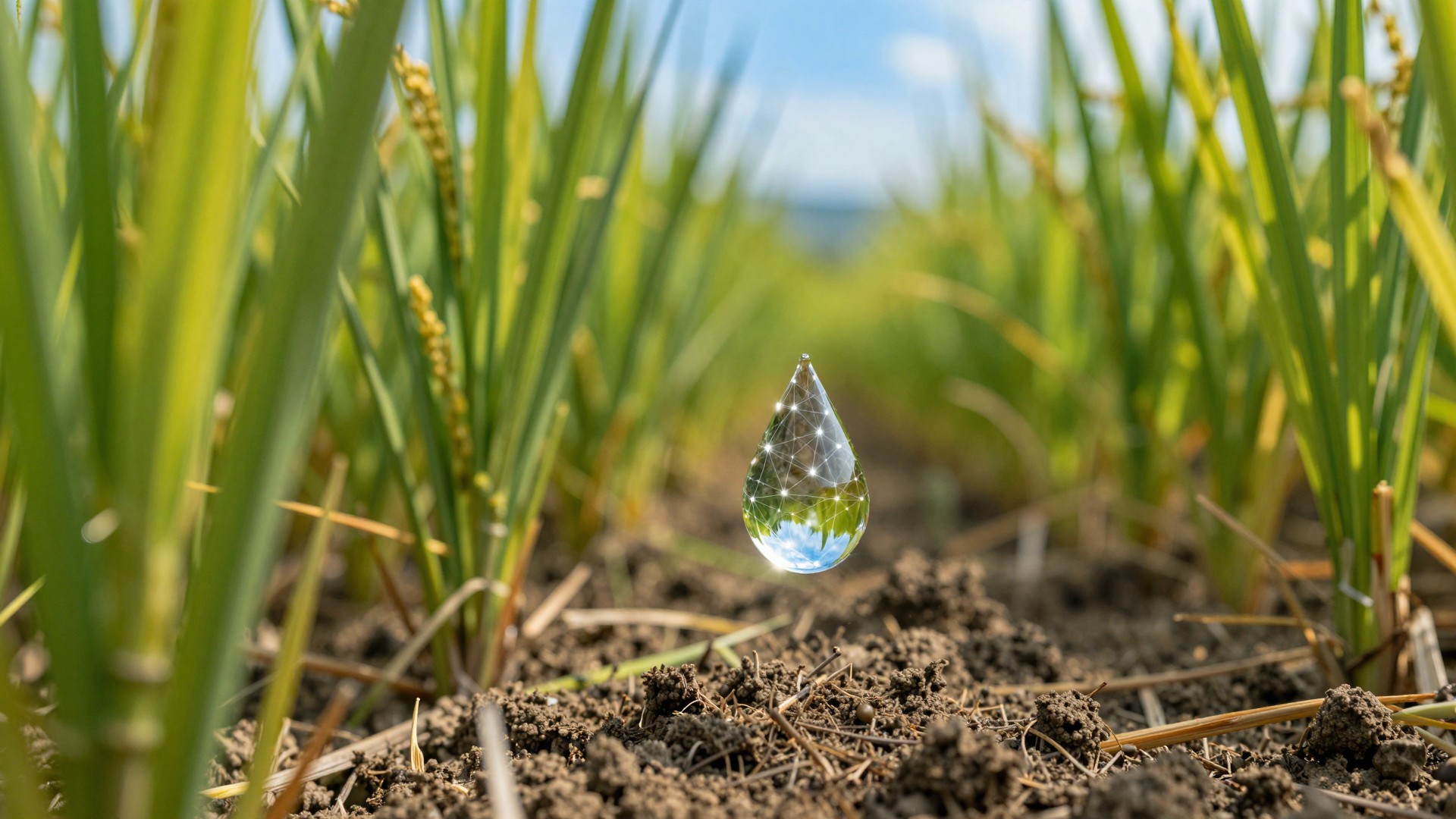
The agricultural sector is at a critical juncture, facing the dual challenges of feeding a growing global population and mitigating the environmental impact of farming practices. Achieving true sustainability requires innovative solutions that enhance efficiency while minimizing resource depletion. Artificial Intelligence (AI) is emerging as a transformative force, offering powerful tools to revolutionize how we manage vital resources like water and fertilizer. This shift towards AI-driven precision agriculture is not just about increasing yields; it’s about cultivating a greener, more resilient future for farming. As we explore the broader landscape of how technology is shaping agriculture, it’s essential to understand the foundational steps towards a green future, which includes embracing advancements like those discussed in Agriculture and AI: Steps Towards a Green Future.
Water scarcity and the inefficient use of fertilizers are significant environmental and economic concerns in agriculture. Over-irrigation can lead to water waste, soil degradation, and increased energy consumption for pumping. Conversely, under-irrigation stunts crop growth and reduces yields. Similarly, imbalanced or excessive fertilizer application contributes to nutrient runoff, polluting waterways and harming aquatic ecosystems. AI offers a sophisticated approach to address these challenges by enabling farmers to make data-driven decisions tailored to the specific needs of their crops and fields.
The core of AI’s contribution lies in its ability to process vast amounts of data from various sources and derive actionable insights. Sensors deployed in fields, including soil moisture sensors, weather stations, and nutrient analysis tools, collect real-time information. Drones equipped with multispectral cameras can assess crop health, identify areas of stress, and map variations within a field. AI algorithms can then analyze this data, integrating it with historical weather patterns, soil types, and crop growth models. This comprehensive analysis allows for the precise determination of when, where, and how much water and fertilizer are needed.
For water management, AI can predict crop water requirements based on weather forecasts, evapotranspiration rates, and the specific growth stage of the plants. This enables automated irrigation systems to deliver water precisely when and where it’s needed, at the optimal amount. Instead of relying on fixed schedules or manual guesswork, AI-powered systems can dynamically adjust irrigation based on real-time conditions, preventing both overwatering and underwatering. This not only conserves water but also improves nutrient uptake by plants, as waterlogged soils can hinder root function.
Similarly, AI plays a crucial role in optimizing fertilizer application. By analyzing soil nutrient levels and crop needs, AI can recommend precise fertilizer formulations and application rates for different zones within a field. This targeted approach, often referred to as variable rate application, ensures that plants receive the exact nutrients they require, reducing the overall amount of fertilizer used. This minimizes the risk of nutrient runoff and leaching, protecting water bodies from eutrophication and reducing the carbon footprint associated with fertilizer production and transportation.
Furthermore, AI can help farmers identify and address nutrient deficiencies or excesses early on. By analyzing imagery from drones or satellites, AI can detect subtle changes in leaf color or plant structure that indicate nutrient imbalances, allowing for timely interventions. This proactive approach prevents widespread issues and ensures that crops receive optimal nutrition throughout their growth cycle, leading to healthier plants and improved yields.
The integration of AI into agricultural practices also extends to predictive analytics. AI models can forecast potential pest outbreaks or disease development by analyzing environmental factors and historical data. This proactive approach allows farmers to implement targeted pest and disease management strategies, often reducing the need for broad-spectrum chemical applications. For instance, understanding the environmental triggers for certain pests can inform decisions about irrigation and fertilization in ways that naturally deter them, contributing to a more integrated and sustainable approach. This links to the broader applications of AI in managing threats, as explored in topics like Ứng dụng trí tuệ nhân tạo trong quản lý sâu bệnh hại cây trồng hiệu quả.
The economic benefits of AI-driven precision agriculture are substantial. By reducing the consumption of water, fertilizers, and potentially pesticides, farmers can significantly lower their operational costs. Improved crop health and yield consistency also translate into higher revenues. Moreover, the enhanced sustainability of these practices can lead to greater market access and consumer preference for sustainably produced goods.
Implementing AI solutions in agriculture requires investment in technology and training. However, as the technology matures and becomes more accessible, its adoption is expected to accelerate. The long-term benefits, both economic and environmental, make a compelling case for embracing AI as a cornerstone of modern, sustainable farming. The future of agriculture is undeniably linked to smart technologies, and AI is at the forefront of this revolution, promising a more efficient, productive, and environmentally responsible food system. The synergy between AI and other technologies like IoT further amplifies these benefits, paving the way for truly intelligent farms.