
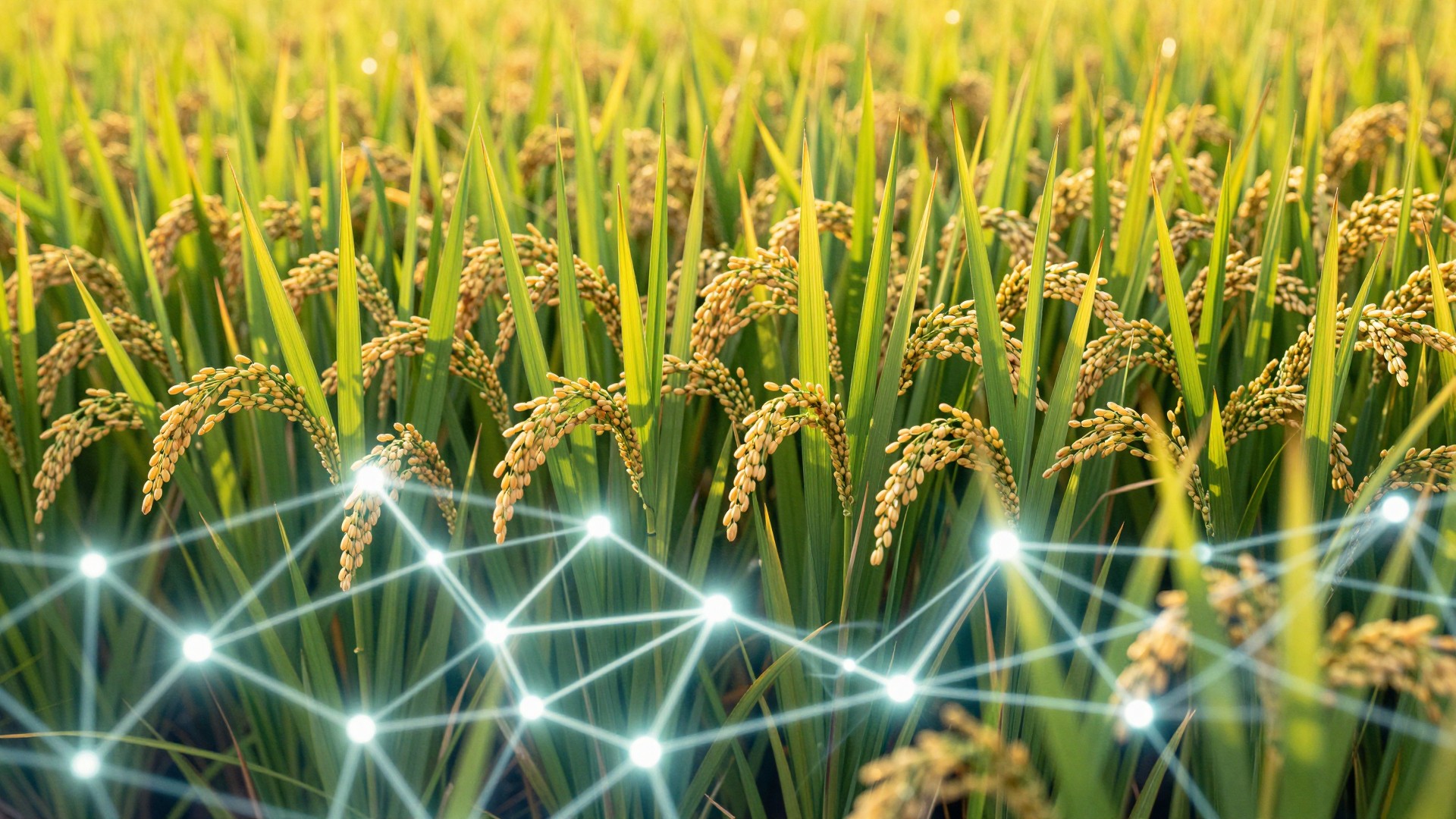
Vietnam’s agricultural sector, a cornerstone of its economy and a vital source of global food supply, stands on the precipice of a transformative era. As the world grapples with climate change, increasing food demands, and the need for sustainable practices, the integration of Artificial Intelligence (AI) is emerging as a pivotal solution. This technological revolution promises to significantly enhance both the quality and productivity of Vietnamese agricultural output, paving the way for a greener and more prosperous future. For a deeper understanding of this broader shift, explore the insights presented in our main pillar article, Agriculture and AI: Steps Towards a Green Future.
The traditional farming methods, while historically significant, often face challenges related to unpredictable weather patterns, pest infestations, resource scarcity, and labor-intensive processes. These factors can lead to reduced yields, inconsistent quality, and increased environmental impact. AI, with its capacity for data analysis, pattern recognition, and predictive modeling, offers a powerful toolkit to overcome these hurdles. By leveraging AI, Vietnamese farmers can move towards a more precise, efficient, and sustainable approach to cultivation.
One of the most immediate impacts of AI in Vietnamese agriculture is its role in precision farming. AI-powered systems can analyze vast amounts of data, including soil composition, weather forecasts, satellite imagery, and historical crop performance. This information allows for hyper-localized recommendations on planting schedules, irrigation needs, and fertilization strategies. Instead of broad, generalized approaches, AI enables farmers to treat each section of their land, or even individual plants, with tailored care. This not only optimizes resource utilization, reducing waste of water and fertilizers, but also leads to healthier crops and, consequently, higher quality produce.
Furthermore, AI plays a crucial role in crop monitoring and disease detection. Drones equipped with AI-powered cameras can systematically survey fields, identifying early signs of stress, nutrient deficiencies, or pest infestations long before they become visible to the human eye. Image recognition algorithms can then pinpoint the exact location and type of problem, allowing for targeted interventions. This proactive approach is far more effective and less resource-intensive than reactive measures. For instance, advancements in AI are making it easier than ever to implement effective strategies for managing crop pests, a persistent challenge in Vietnamese agriculture.
The potential of AI extends to improving the overall quality of agricultural products. By optimizing growing conditions based on real-time data, AI can ensure that crops receive the ideal balance of nutrients, water, and sunlight. This leads to produce that is not only more abundant but also superior in terms of taste, texture, and nutritional value. For export markets, where quality is paramount, AI integration can significantly boost the competitiveness of Vietnamese agricultural products. Imagine fruits and vegetables that consistently meet the highest international standards, thanks to intelligent cultivation practices.
Predictive analytics, another facet of AI, is revolutionizing risk management in agriculture. By analyzing historical data and current environmental conditions, AI models can forecast potential threats such as droughts, floods, or disease outbreaks with greater accuracy. This allows farmers to prepare in advance, implementing preventative measures or adjusting their strategies to mitigate losses. Such foresight is invaluable in a region prone to extreme weather events, safeguarding livelihoods and ensuring food security. The ability to leverage AI for predicting weather patterns and managing natural disaster risks is a game-changer.
Moreover, AI-driven automation is streamlining various agricultural processes. From automated harvesting systems that can delicately pick ripe produce to AI-powered robots that can perform tasks like weeding, the labor-intensive nature of farming can be significantly reduced. This not only addresses potential labor shortages but also allows human workers to focus on more strategic and less physically demanding aspects of farming. This increased efficiency directly translates to higher productivity and potentially lower production costs.
The application of AI in Vietnam’s agricultural sector is not a distant dream; it is a present reality with immense potential for growth. As the technology becomes more accessible and affordable, its adoption is expected to accelerate. This will empower farmers with tools and insights that were previously unimaginable, leading to a more resilient, sustainable, and profitable agricultural industry. The journey towards a smarter, greener agricultural future for Vietnam is well underway, propelled by the intelligent application of AI.