
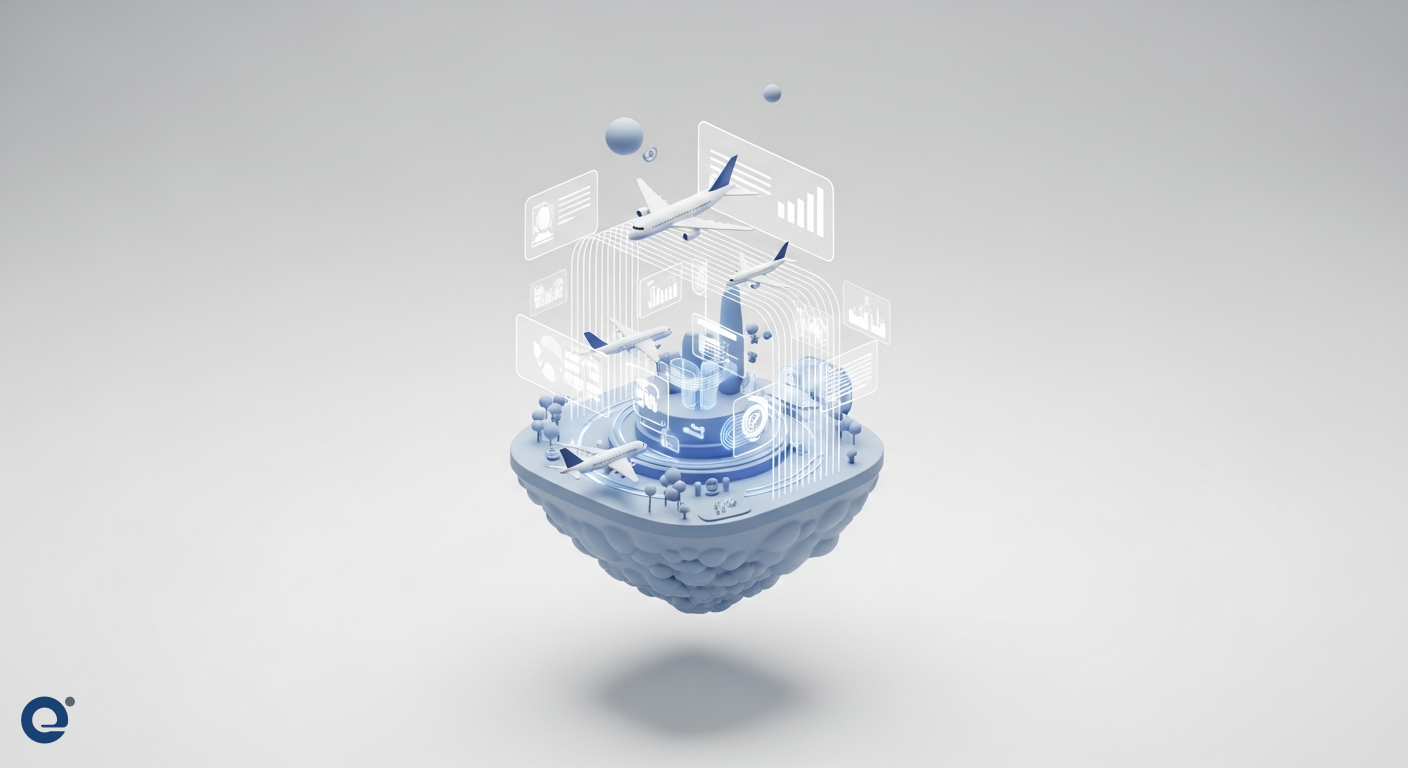
Logistics operations heads face immense pressure. They must ensure efficiency, reduce costs, and maintain high safety standards. This is especially true in the complex world of aviation. Traditional logistics methods often struggle with the sheer volume of data and interconnected systems. However, a powerful new solution is emerging: digital twin technology. It promises to transform how aircraft logistics are managed.
This innovative approach creates a virtual replica of physical assets and processes. It offers unprecedented visibility and control. For logistics leaders, understanding and implementing digital twins is no longer optional. It is a strategic imperative for future success.
Understanding digital twins in aviation logistics
A digital twin[1] is more than just a 3D model. It is a dynamic, living virtual replica of a physical object, process, or system. This sophisticated technology integrates real-time data from various sources. These sources include design, production, and in-service operations. It provides a continuous, accurate reflection of its real-world counterpart. For instance, Airbus uses digital twins to accelerate aerospace innovation from design to operations.
In aviation logistics, a digital twin can represent an entire aircraft. It can also represent a specific component, a maintenance process, or even an entire supply chain. This virtual counterpart is continuously updated with sensor data. It also incorporates operational information. This allows for real-time monitoring and analysis. Consequently, it enables proactive decision-making.
Revolutionizing the aircraft lifecycle
Digital twins offer transformative potential across every phase of an aircraft's lifecycle. They enhance efficiency and reduce risks. This comprehensive approach benefits all stakeholders.
Production and supply chain optimization
During aircraft production, digital twins streamline complex logistics. They provide a virtual environment to simulate assembly lines. They also optimize the flow of parts and materials. This helps identify bottlenecks before they occur. For example, flexible cabin assembly can be planned and tested virtually. This ensures smooth physical implementation. Furthermore, digital twins enhance production-supplying logistics. They track components from suppliers to the factory floor. This ensures timely delivery and reduces inventory holding costs. This data-driven approach minimizes waste and improves overall manufacturing efficiency.
Enhancing maintenance, repair, and overhaul (MRO)
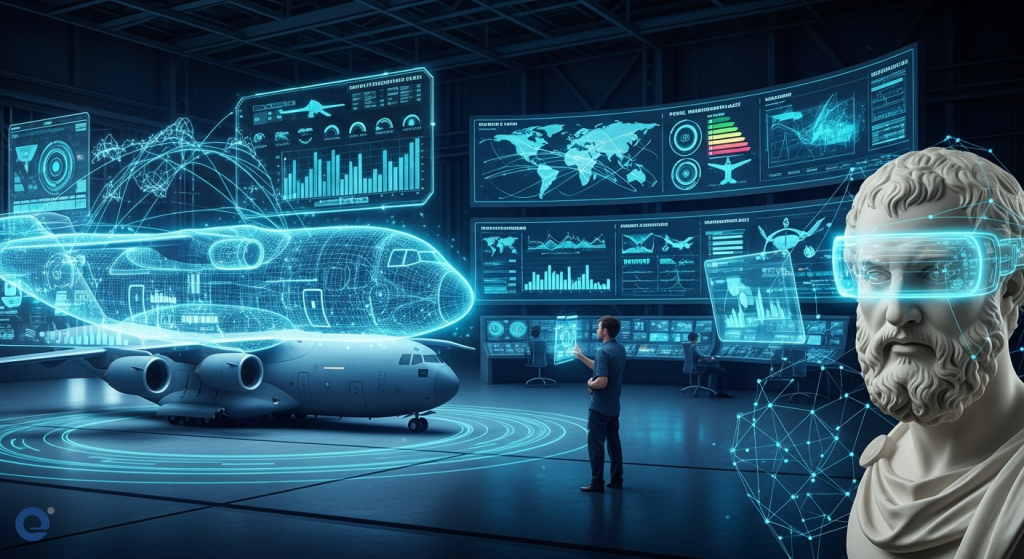
Maintenance, Repair, and Overhaul (MRO)[2] is a critical area for digital twin application. Aircraft have extended lifespans and complex systems. Therefore, MRO logistics are incredibly challenging. A digital twin of an aircraft can predict potential failures. It does this by analyzing real-time performance data. This capability is known as predictive maintenance[3]. It allows maintenance teams to schedule repairs proactively. They can order spare parts precisely when needed. This minimizes aircraft downtime. It also optimizes inventory levels. Research highlights the challenges and opportunities of digital twins in aircraft production and MRO for improved efficiency.
Optimizing operational efficiency
Beyond production and MRO, digital twins significantly impact daily flight operations. They can simulate ground handling processes. This includes fueling, baggage loading, and passenger boarding. By optimizing these activities, turnaround times are reduced. This improves aircraft utilization. Moreover, digital twins can monitor an aircraft's health during flight. They transmit data to ground crews. This allows for immediate assessment of any issues. It also prepares for necessary maintenance upon landing. This proactive approach enhances safety and operational reliability.
Tangible benefits for logistics operations heads
The adoption of digital twin technology offers numerous advantages for logistics operations heads. These benefits translate directly into improved performance and profitability.
- Reduced Downtime: Predictive maintenance capabilities minimize unexpected grounding of aircraft. This ensures higher asset availability.
- Optimized Inventory Management: Accurate forecasting of part needs reduces excess inventory. It also prevents stockouts. This lowers carrying costs significantly.
- Enhanced Decision-Making: Real-time data and simulation capabilities provide actionable insights. Leaders can make informed decisions quickly.
- Improved Safety: Continuous monitoring and predictive analytics identify potential risks early. This enhances overall operational safety.
- Cost Savings: Efficiency gains across production, MRO, and operations lead to substantial cost reductions.
- Increased Sustainability: Optimized processes reduce fuel consumption and waste. This contributes to environmental goals.
Navigating the challenges
Implementing digital twins is not without its hurdles. Logistics operations heads must be aware of these challenges. They need to plan strategies to overcome them. One major obstacle is data integration[4]. Aircraft systems generate vast amounts of data. Connecting these disparate data sources is complex. It requires robust IT infrastructure and interoperability standards. Intellectual property (IP) boundaries also pose a challenge. Various stakeholders are involved in an aircraft's lifecycle. They may be reluctant to share proprietary data. This can hinder the creation of a holistic digital twin. However, industry initiatives like Gaia-X are working towards federated data infrastructures. These efforts aim to address such concerns. Digital twins are becoming the airport operations control interface of the future, requiring careful data management.
The initial investment in digital twin technology can also be substantial. This includes software, hardware, and training. However, the long-term returns often outweigh these upfront costs. Furthermore, the complexity of aircraft systems demands specialized expertise. Organizations need skilled personnel to develop and manage these advanced virtual replicas. Therefore, investing in talent development is crucial.
The strategic imperative for the future
Digital twin technology is rapidly evolving. It is becoming an indispensable tool for modern logistics. For logistics operations heads, embracing this technology is a strategic imperative. It offers a competitive edge. It also drives operational excellence. By leveraging digital twins, organizations can achieve unparalleled visibility. They can also gain control over their aircraft logistics. This leads to more resilient, efficient, and sustainable operations. The future of aviation logistics is undoubtedly digital. Those who adopt this technology early will lead the way. They will set new benchmarks for performance and innovation. This proactive approach ensures long-term success. It also positions companies at the forefront of the industry. It is a key component of effective Product Lifecycle Management[5].
More Information
- Digital Twin: A virtual replica of a physical object, process, or system that is continuously updated with real-time data, enabling simulation, monitoring, and analysis for improved decision-making.
- Maintenance, Repair, and Overhaul (MRO): The set of activities involved in keeping an aircraft or its components in proper working order, including scheduled inspections, repairs, and replacements.
- Predictive Maintenance: A maintenance strategy that uses data analysis and monitoring to predict when equipment failure might occur, allowing for proactive maintenance before a breakdown happens.
- Data Integration: The process of combining data from different sources into a unified view, which is crucial for digital twins to function effectively by drawing information from various systems.
- Product Lifecycle Management (PLM): The process of managing the entire lifecycle of a product from conception, through design and manufacturing, to service and disposal, often supported by integrated data systems.