
In today's fast-paced digital world, brands constantly seek innovative ways to connect with their audiences. Traditional advertising methods are often met with indifference. Therefore, brands need more engaging and memorable approaches. Animated brand storytelling emerges as a powerful solution.
It allows companies to convey their message, values, and personality in a visually compelling and emotionally resonant way. This article explores how animation can transform brand storytelling for PR specialists.
The power of visual storytelling
Humans are inherently visual creatures. We process images significantly faster than text. Moreover, stories have been our primary mode of communication and connection for millennia. Animation beautifully merges these two elements.
It brings narratives to life with vibrant visuals, engaging characters, and dynamic motion. Consequently, this makes complex ideas easier to understand and remember. For PR specialists, this means a more effective way to communicate a brand's essence.
Why animation resonates
Animation transcends age, language, and cultural barriers. It can simplify complex products or services. Furthermore, it can evoke strong emotions, from joy to empathy. This emotional connection is crucial for building brand loyalty.
Unlike live-action video, animation offers complete creative control. Brands can create unique worlds, characters, and styles that perfectly align with their brand identity[1]. This distinctiveness helps brands stand out in a crowded marketplace.
Animation: A versatile tool for PR
PR specialists can use animation across various campaigns and platforms. From social media snippets to detailed explainer videos, the applications are vast. It's not just for cartoons anymore.
Animated videos can explain a company's mission, showcase a product's benefits, or tell the story of its origins. They are highly shareable, increasing brand visibility and reach. Therefore, they are invaluable for digital PR strategies.
Types of animation for brand stories
Several animation styles can be employed for brand storytelling:
- 2D Animation: Classic and versatile, great for character-driven stories and explainers. Classic and modern 2D animation offers a wide range of artistic expression.
- 3D Animation: Adds depth and realism, ideal for product showcases and immersive worlds.
- Motion Graphics: Focuses on moving graphic elements and text, perfect for data visualization and abstract concepts.
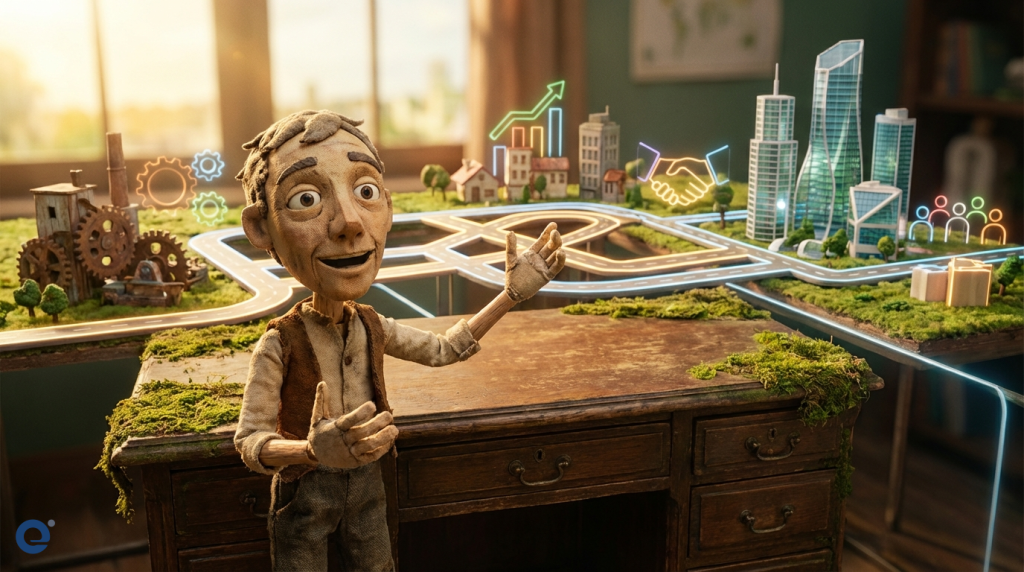
- Stop Motion: Uses physically manipulated objects, offering a unique, handcrafted feel.
- Whiteboard Animation: Shows a hand drawing illustrations, excellent for educational content.
The choice of style depends on the brand's personality, message, and target audience[2].
Crafting compelling animated brand narratives
A successful animated brand story requires more than just pretty visuals. It needs a strong narrative structure. This includes a clear beginning, middle, and end, a relatable protagonist (which can be the brand or a customer), and a central conflict or message.
The story should be authentic and align with the brand's core values. It should aim to connect with the audience on an emotional level, not just sell a product. Therefore, understanding the audience is paramount.
Key elements of success
To create impactful animated stories, brands should focus on:
- A Clear Message: What is the one thing you want the audience to take away?
- Relatable Characters: Characters that resonate with the audience make the story more engaging.
- Strong Visual Style: The animation style should reflect the brand's identity.
- Emotional Core: The story should evoke feelings and create a connection.
- Call to Action (CTA)[3]: While subtle, there should be a hint at what the audience can do next.
- Quality Production: Good animation, voice-over, and sound design are essential.
These elements work together to create a memorable brand experience.
The role of storyboarding in animated brand content
Before animation production begins, storyboarding[4] is a crucial step. It's a visual blueprint of the animated video, scene by scene. Storyboards help visualize the narrative flow, character actions, and camera angles.
For PR specialists, reviewing storyboards provides an opportunity to ensure the message is clear and aligns with the campaign goals. It's much easier and more cost-effective to make changes at the storyboard stage than during animation. This planning phase is vital for a smooth production process.
Integrating animation into PR campaigns
Animation can be a cornerstone of various PR campaigns. For instance, a product launch can be accompanied by an animated explainer video. A company milestone can be celebrated with an animated brand story. Furthermore, complex sustainability reports can be made accessible through animated infographics.
PR teams can use these animated assets on social media, in press releases, on websites, and during presentations. The versatility of animation makes it a powerful tool for impactful social advertising campaigns and broader communication strategies.
Measuring the impact of animated brand stories
Like any PR effort, the impact of animated content needs to be measured. Key metrics include video views, watch time, shares, comments, and website traffic from the video. Additionally, PR specialists can track brand sentiment and media mentions related to the animated campaign.
These metrics help understand audience engagement and the effectiveness of the story. Consequently, they provide valuable insights for future campaigns. A/B testing different animated versions can also optimize results.
The rise of motion graphics in corporate storytelling
Motion graphics[5], a subset of animation, are particularly useful for corporate communications. They excel at presenting data, statistics, and processes in a dynamic and easily digestible format. PR professionals can use motion graphics to enhance financial reports, internal communications, and presentations to stakeholders.
Their clean and modern aesthetic often aligns well with corporate branding. Moreover, motion graphics can make even dry information seem engaging and interesting. This helps maintain audience attention.
Challenges and considerations
While powerful, creating effective animated brand stories has challenges. Quality animation can be time-consuming and expensive to produce. Therefore, clear goals and budget allocation are essential from the outset.
Another challenge is ensuring authenticity. The animation style and story must genuinely reflect the brand. If it feels forced or inauthentic, it can backfire. Thus, collaboration between the brand, PR team, and animation studio is crucial.
The future of animated brand storytelling
The future looks bright for animated brand storytelling. Advances in technology, including AI in animation, are making it more accessible and sophisticated. We can expect to see more interactive animated content and personalized brand stories.
Virtual and augmented reality will also open new avenues for immersive animated brand experiences. PR specialists should stay abreast of these trends to leverage the full potential of animation in their strategies. The ability to tell stories visually and emotionally will only become more critical.
Conclusion: Animating your brand's narrative
Animated brand storytelling offers a dynamic and effective way for PR specialists to cut through the noise. It allows brands to connect with audiences on an emotional level, simplify complex messages, and build lasting brand loyalty. By understanding the different styles, key elements, and strategic applications, PR professionals can harness the power of animation to tell compelling brand stories that resonate and inspire action.
Ultimately, animation provides a canvas for creativity and connection in the ever-evolving landscape of public relations and brand communication.
More Information
- Brand Identity: The collection of all elements that a company creates to portray the right image to its consumer, including its visual design, messaging, and values.
- Target Audience: A specific group of people with shared characteristics who are most likely to be interested in a product, service, or message from a brand.
- Call to Action (CTA): An instruction to the audience designed to provoke an immediate response, typically using imperative verbs like "learn more," "buy now," or "subscribe."
- Storyboarding: A pre-production process where a sequence of drawings or images is created to visualize the scenes of a video or animation before production begins.
- Motion Graphics: Pieces of digital footage or animation which create the illusion of motion or rotation, and are usually combined with audio for use in multimedia projects.