
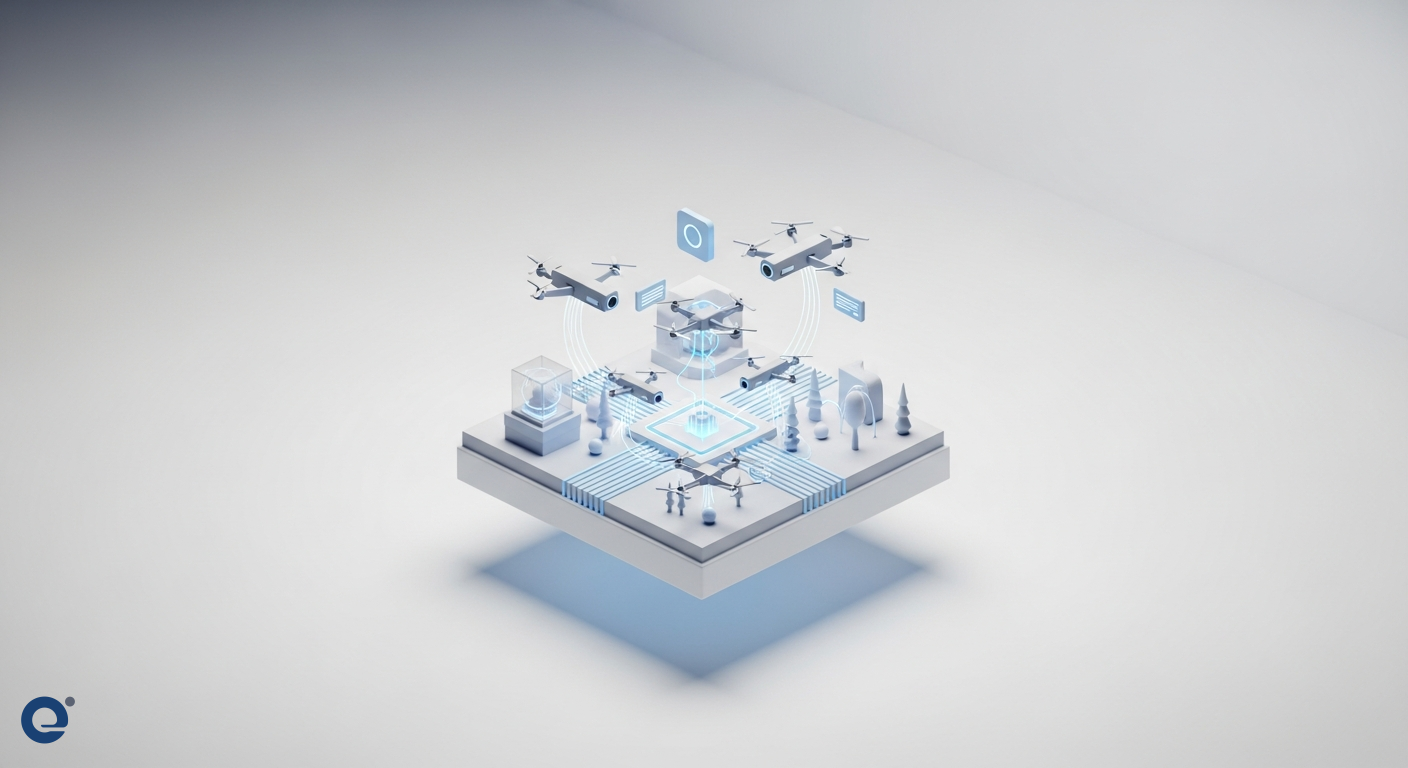
Autonomous drone fleet control[1] is transforming various industries. It offers unparalleled efficiency and significant cost savings. Drone fleet operators must understand this technology. This guide provides essential insights for mastering autonomous drone operations.
From agriculture to emergency response, drones are now critical tools. They drive innovation and boost productivity. However, managing a fleet of autonomous drones demands deep technological understanding. It also requires robust operational strategies and adherence to regulatory frameworks. This article covers the basics, benefits, challenges, and future trends of autonomous drone fleet control.
Understanding autonomous drone fleet control
Autonomous drone fleet control involves coordinating multiple drones. These operations use advanced software and hardware systems. Drones operate independently. They execute pre-programmed tasks without human intervention. This automation is a core feature.
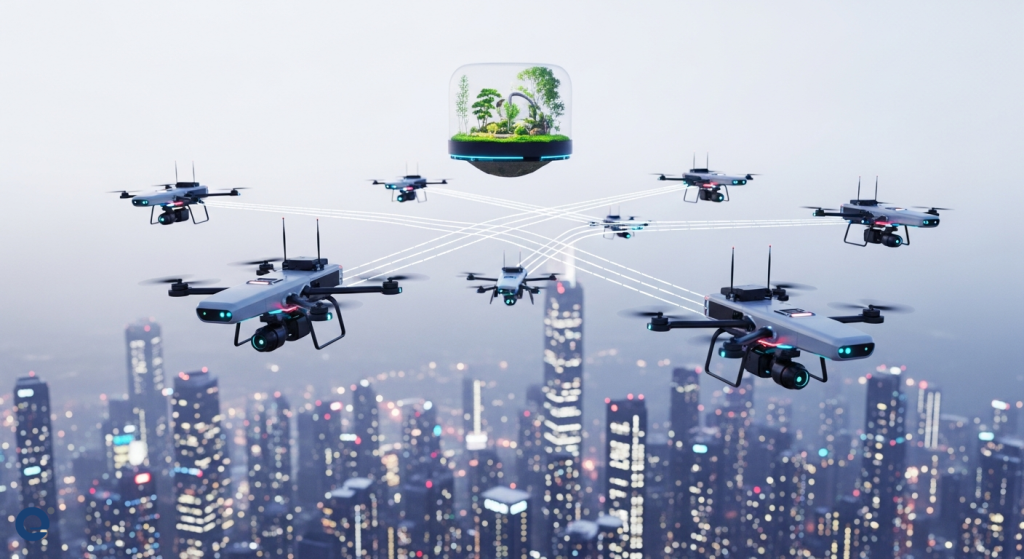
Centralized systems manage many drones simultaneously. This ensures seamless communication and task allocation. Drones collect and transmit data in real-time. This allows for immediate analysis and quick decision-making. Systems are scalable. They accommodate fleets of various sizes, from a few drones to hundreds. Built-in collision avoidance and fail-safe mechanisms ensure operational safety. For more information on managing drone fleets, visit autonomous drone fleet management resources.
Autonomous drone fleet control relies on several technologies. These include artificial intelligence (AI), machine learning (ML), GPS, and the Internet of Things (IoT). Operators define tasks like surveying or delivery using specialized software. Drones are then launched and assigned specific roles. They communicate via wireless networks. Sensors gather data, which is processed in real-time. Drones complete tasks autonomously. They adapt to environmental changes as needed. Operators monitor performance and receive detailed reports.
The technological backbone of autonomous fleets
Modern autonomous drone fleets leverage cutting-edge technologies. These technologies enable their advanced capabilities. Autonomous drone swarms are becoming increasingly important. They rely on these foundational technologies.
High-speed connectivity is crucial. Therefore, 5G networks[2] play a vital role. They enable rapid data transfer and low latency. This is essential for real-time command and control. Cloud-based platforms provide the infrastructure. They manage vast amounts of data and complex operations. For instance, Cloud Ground Control utilizes 4G/5G networks. This links drones to a cloud-based management platform. It allows live-streaming and control from a web browser for enhanced operational capabilities.
Edge AI[3] is another key component. It allows drones to process data directly onboard. This reduces reliance on constant cloud connectivity. It also speeds up decision-making. AI modeling[4] algorithms run in the cloud. They relay real-time camera feed data to users. This supports versatile missions. Examples include object detection, tracking, and thermal imaging. These capabilities greatly expand human potential in robotic operations.
Benefits for drone fleet operators
Implementing autonomous drone fleet control offers numerous advantages. These benefits significantly enhance operational efficiency. They also lead to substantial cost savings.
Drones complete tasks much faster than traditional methods. This includes manual inspections or ground-based deliveries. Advanced sensors and AI ensure precise data collection. They also guarantee accurate task execution. Drones can operate continuously, 24/7. They are unaffected by human fatigue or time constraints. Automation minimizes human error. This ensures consistent and reliable performance. These factors contribute to significant efficiency gains across various industries.
Cost savings are another major benefit. Automation reduces the need for human operators. This lowers labor costs. Drones consume less energy than traditional vehicles. This decreases operational expenses. Predictive maintenance systems identify issues early. This minimizes repair costs. Efficient fleet management optimizes resource use. It therefore reduces waste. These combined factors make autonomous fleets a cost-effective solution.
Navigating the challenges
Despite the many advantages, adopting autonomous drone fleet management presents challenges. Operators must address these hurdles effectively. Regulatory compliance is a significant obstacle. Navigating complex drone regulations can be time-consuming and costly. Rules vary by region and application. Therefore, staying informed is crucial.
Technological barriers also exist. High initial investment is often required. Specialized technical expertise is necessary for implementation and maintenance. Data security[5] is another critical concern. Drones collect sensitive data. Ensuring its security from vulnerabilities and breaches is paramount. Public perception can also be challenging. Addressing privacy concerns and building public trust is essential. Maximizing security in autonomous drone fleet management is a key focus for many providers.
To overcome these challenges, businesses can adopt several strategies. Partnering with legal experts helps ensure compliance with drone laws. Investing in employee training builds technical expertise. Implementing robust cybersecurity protocols protects data. Engaging with communities educates the public. It also addresses privacy concerns transparently. These proactive measures are vital for successful adoption.
Real-world applications
Autonomous drone fleets are revolutionizing various sectors. In agriculture, they transform traditional practices. Drones with multispectral cameras assess crop health. They detect diseases early. This enables precision farming. In emergency response, drones provide critical situational awareness. They assist in search and rescue missions. They also support disaster relief efforts. For example, Clean Earth Rovers uses autonomous robots. These robots collect pollutants in oceans. They support immediate disaster relief and ocean restoration.
Logistics and inspection industries also benefit greatly. Drones conduct infrastructure inspections. This includes pipelines, bridges, and power lines. They do this safely and efficiently. In logistics, drones deliver packages. They optimize supply chains. This reduces delivery times and costs. The ability to securely connect unlimited drones into one holistic fleet, regardless of manufacturer, is a game-changer for these applications.
The future of autonomous fleets
The future of autonomous drone fleet control is promising. Continued advancements in AI and 5G will enhance capabilities. We can expect more sophisticated automation. Integration with other emerging technologies will also grow. This includes advanced robotics and IoT ecosystems. The demand for autonomous solutions will increase. This will drive further innovation. Therefore, operators must stay abreast of these developments.
Conclusion
Autonomous drone fleet control offers immense potential for operators. It delivers significant efficiency gains and cost reductions. It also enhances safety and expands operational capabilities. While challenges exist, they are manageable with strategic planning. Embracing this technology is crucial. It ensures businesses remain competitive and innovative. The future of drone operations is undoubtedly autonomous.
More Information
- Autonomous Drone Fleet Control: The coordinated operation and management of multiple unmanned aerial vehicles (drones) that perform tasks independently, guided by advanced software and AI, with minimal human intervention.
- 5G networks: The fifth generation of cellular technology, offering significantly higher speeds, lower latency, and greater capacity than previous generations, crucial for real-time drone communication and data transfer.
- Edge AI: Artificial intelligence processing that occurs directly on the drone or at the network's edge, rather than in a centralized cloud, enabling faster decision-making and reduced bandwidth usage.
- AI modeling: The process of creating and training artificial intelligence algorithms to recognize patterns, make predictions, or perform specific tasks, such as object detection or thermal imaging analysis from drone data.
- Data security: Measures taken to protect digital data collected by drones from unauthorized access, corruption, or theft, ensuring privacy, integrity, and availability of information.