Animation is no longer just for kids. It has become a powerful tool for businesses and creators. Therefore, brand strategists need to understand how to build and leverage animation brands effectively. This guide explores the world of animation branding.
What is animation branding?
Animation branding involves creating a distinct identity and perception for animated content, characters, or a brand that uses animation centrally. It's about more than just a logo. It encompasses the story, values, visual style, and emotional connection an animated entity fosters with its audience. A strong animation brand stands out.
Why animation is powerful for branding
Animation offers unique advantages in branding. Firstly, it can convey complex ideas simply. Secondly, animated characters can become beloved brand ambassadors. Moreover, animation transcends cultural and language barriers more easily than live-action content. It allows for limitless creativity.
Think about iconic animated characters. They often evoke strong emotions and memories. This emotional connection is invaluable for brand loyalty. Consequently, brands using animation can build deeper relationships.
Building a brand for animation content
Creating a brand for an animated series, film, or studio requires careful planning. It starts with a clear vision.
Defining core identity and values
What does your animation stand for? What message do you want to convey? Defining your core identity[3] and values is the first step. This foundation will guide all other branding efforts. It ensures consistency.
Developing unique visuals and characters
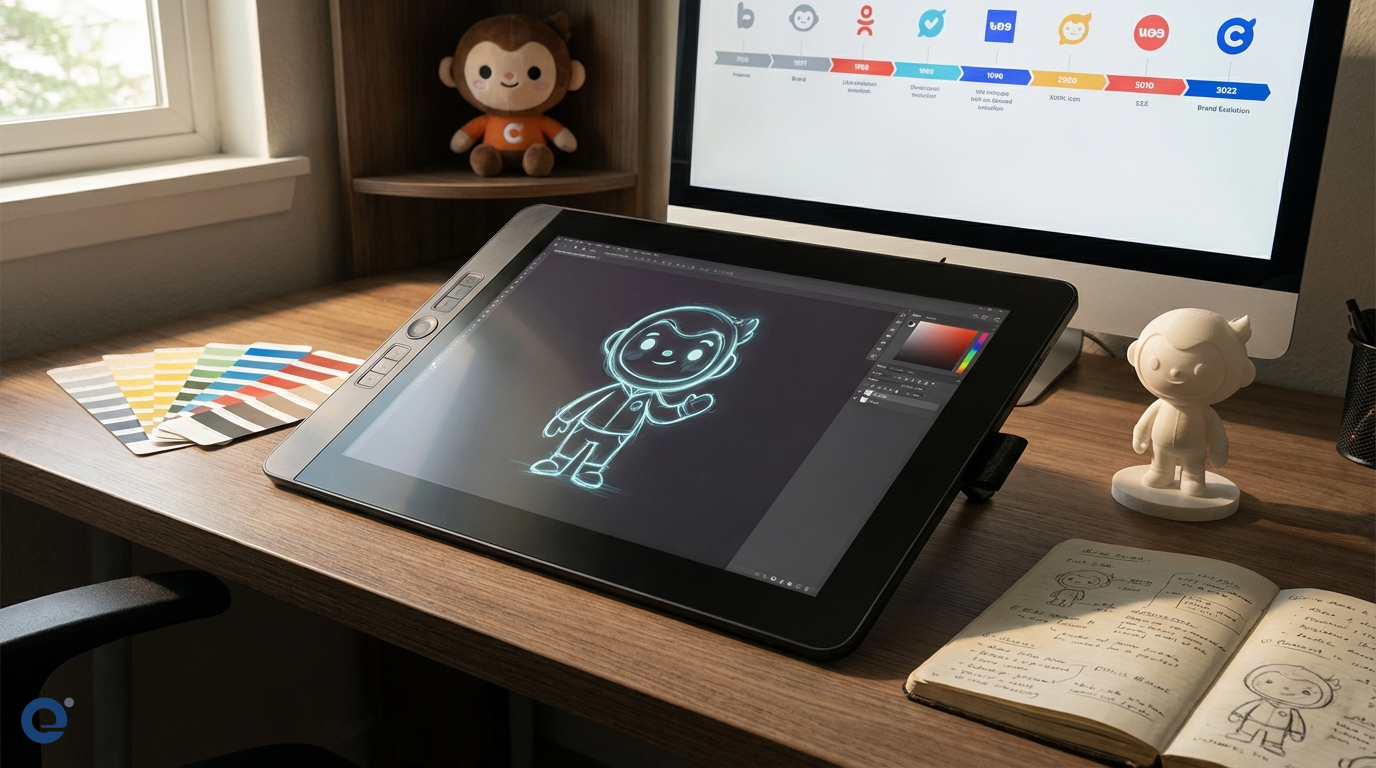
Visual style and character design are crucial. They are often the first point of contact with the audience. Unique and appealing visuals help your animation get noticed. Furthermore, well-developed characters can become valuable Intellectual Property (IP)[1], as seen with characters like Trạng Quỳnh in Vietnamese animation, which was developed from folklore into a new form (Source 3). The goal is to be memorable.
Storytelling and universe building
Compelling narratives are at the heart of successful animation. Good Visual Storytelling[2] keeps audiences engaged. Building a rich universe around your story can also expand branding opportunities. It allows for spin-offs and merchandise.
Target audience identification
Who are you trying to reach? Understanding your Target Audience[4] is vital. Different age groups and demographics respond to different styles and stories. Tailoring your content and branding to your audience increases its impact. For example, the approach for preschoolers differs vastly from that for young adults.
Distribution and marketing
How will your audience find your animation? A solid distribution and marketing strategy is essential. This includes online platforms, festivals, and traditional media. Moreover, consistent branding across all channels reinforces recognition.
Using animation to build other brands
Animation isn't just for animation studios. Other businesses and individuals can use it effectively. For instance, DJs and producers are using animated characters to increase brand recognition and create a unique identity.
Animated mascots and characters
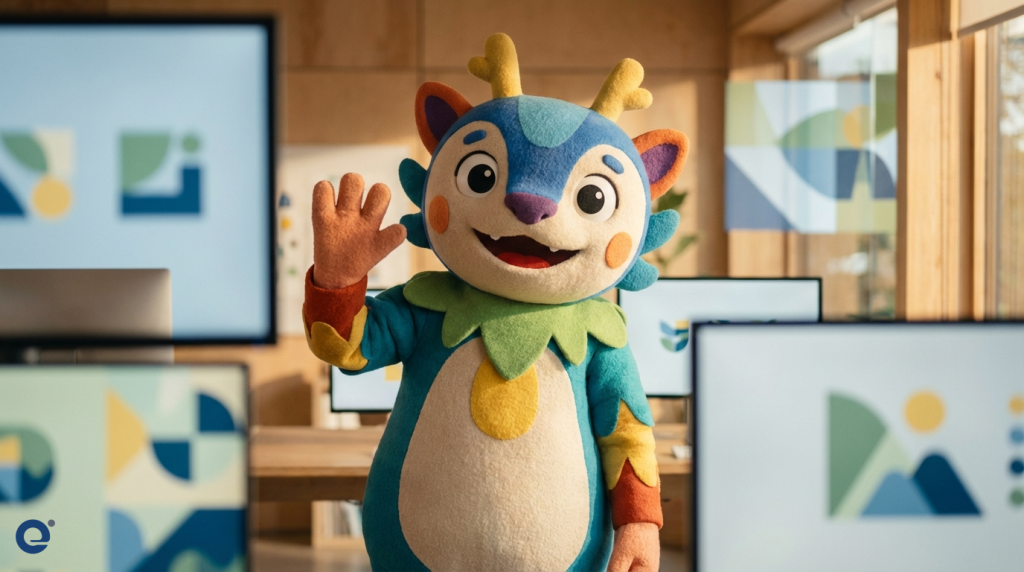
A friendly animated mascot can make a brand more approachable. These characters can feature in ads, on websites, and on social media. They add personality and are highly memorable. Think of the Geico Gecko or the M&Ms characters.
Animated explainer videos
Complex products or services can be easily explained through animation. Explainer videos are engaging and can improve conversion rates. They simplify information effectively.
Animated content marketing
Short animated videos or GIFs are highly shareable on social media. This form of Content Marketing[5] can increase brand visibility and engagement. Animation can make even mundane topics more interesting.
Key elements of a strong animation brand
Several elements contribute to a strong animation brand. These are universal principles.
Consistency
Consistent use of visual style, character portrayal, and messaging is key. It builds recognition and trust. Every touchpoint should reflect the brand.
Authenticity
Audiences appreciate authenticity. Your brand's message and values should be genuine. This resonates more deeply.
Quality
High-quality animation and storytelling are essential. Poor quality can damage brand perception. Therefore, invest in good production.
Adaptability
The brand should be able to evolve. It needs to adapt to new platforms and audience preferences while staying true to its core. This is important for long-term relevance.
Challenges in animation branding
Building an animation brand is not without challenges. Firstly, production can be expensive and time-consuming. Secondly, the market is competitive. Standing out requires a truly unique offering and strong brand differentiation. Moreover, protecting your IP is crucial and can be complex.
For instance, the Vietnamese animated film "Trạng Quỳnh nhí: Truyền thuyết Kim Ngưu" faced challenges despite efforts to build a local animation brand, as mentioned in Source 3. It highlights the difficulties in competing with international animation and meeting audience expectations.
The future of animation in branding
The role of animation in branding is set to grow. With the rise of digital platforms and the metaverse, animated content and characters will become even more integrated into our lives. Technologies like AI are also influencing character design using AI and production, potentially lowering costs and opening new creative avenues.
Brands that embrace animation will have a powerful tool to connect with audiences in innovative ways. Therefore, strategists should consider its potential.
Conclusion
Building an animation brand, or using animation to build a brand, is a strategic endeavor. It requires creativity, planning, and a deep understanding of the audience. When done well, animation can create lasting emotional connections and significant brand value. It's a vibrant and evolving field full of opportunities.
More Information
- Intellectual Property (IP): Refers to creations of the mind, such as inventions, literary and artistic works, designs, symbols, names, and images used in commerce. In animation, IP includes characters, stories, and worlds.
- Visual Storytelling: The art of conveying narratives and emotions through visual media, including images, animation, and video, often with minimal or no dialogue. It relies on composition, color, and movement.
- Brand Identity: The collection of all elements that a company creates to portray the right image to its consumer. It includes visuals, messaging, and the overall experience associated with the brand.
- Target Audience: A specific group of people with shared characteristics (like age, gender, interests) that a business or creator aims to reach with its products, services, or content.
- Content Marketing: A marketing strategy focused on creating and distributing valuable, relevant, and consistent content to attract and retain a clearly defined audience—and, ultimately, to drive profitable customer action.