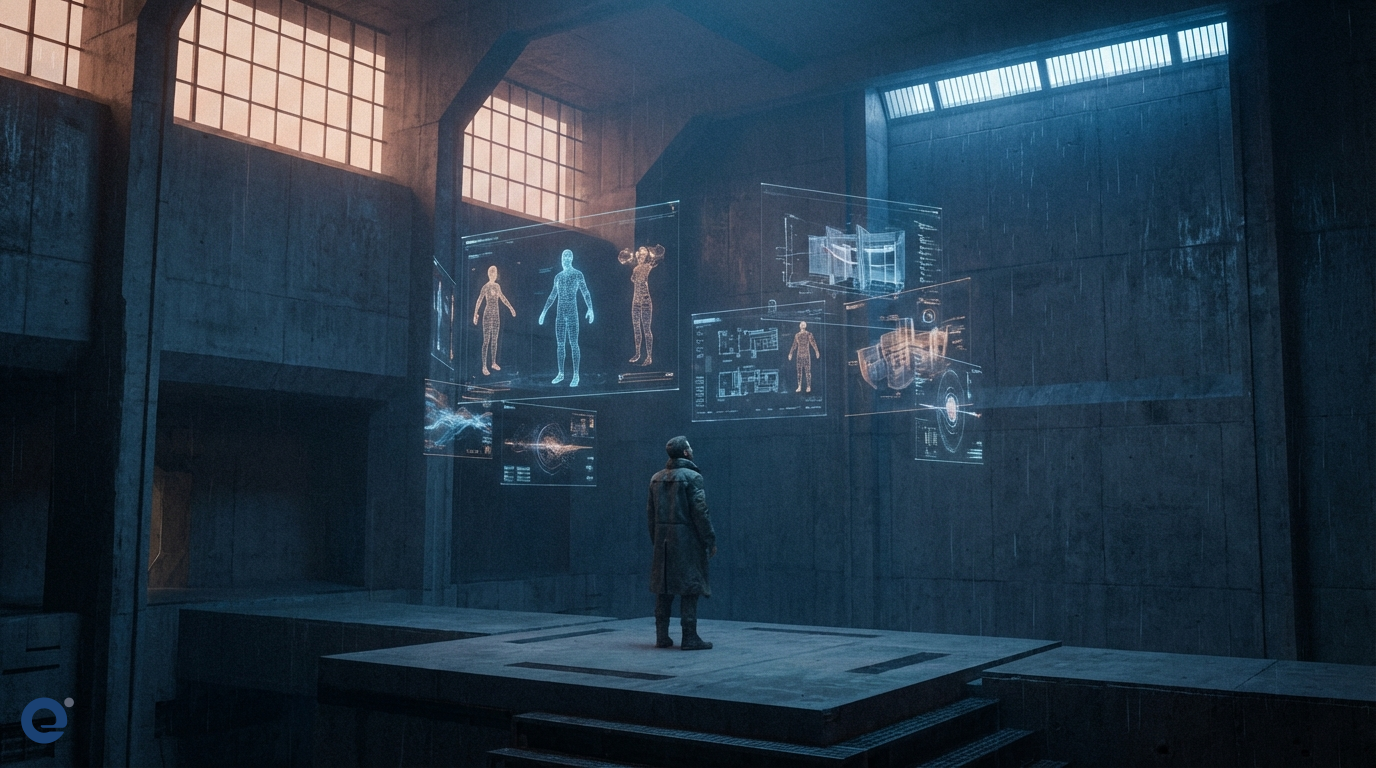
The world of character design is undergoing a significant transformation. Artificial intelligence (AI) is rapidly emerging as a powerful tool. Consequently, it offers designers new ways to conceptualize, create, and iterate on characters. This technology is no longer a futuristic concept; it is here now. Moreover, it is reshaping workflows and opening up exciting possibilities.
For character designers, AI presents both opportunities and challenges. However, understanding how to leverage these tools is becoming crucial. This article explores the impact of AI on character design. Furthermore, it delves into the tools, benefits, and considerations for designers in this evolving landscape.
The rise of AI in creative fields
Artificial intelligence has made remarkable inroads into various creative domains. For instance, we see AI in music composition, writing, and visual art generation. This advancement is largely due to the development of sophisticated machine learning models. Specifically, generative AI[1] models can produce novel content based on the data they were trained on. Therefore, artists and designers are finding innovative ways to integrate AI into their creative processes.
The ability of AI to generate images from text descriptions has been particularly impactful. Tools based on models like DALL-E, Midjourney, and Stable Diffusion are widely used. As a result, they allow creators to visualize ideas quickly. This rapid visualization is invaluable in the early stages of design.
AI tools revolutionizing character design
Several AI tools are now available to assist character designers. These range from image generators to animation assistants. For example, OpenAI recently released a new AI with impressive image generation and editing capabilities, as noted by Code MeLy on Facebook. These tools can generate character concepts, poses, and even entire scenes based on textual prompts.
Some platforms offer specialized features for character creation. For instance, users can specify art styles, character attributes, and emotional expressions. Moreover, some tools are exploring AI-driven 3D model generation and texturing. This further streamlines the character creation pipeline.
Image generation from text
The most common application of AI in character design is generating 2D images from text prompts. Designers can describe a character in detail. For example, they might specify appearance, clothing, and mood. The AI then generates multiple visual interpretations. This allows for rapid exploration of different ideas.
This is incredibly useful for brainstorming and concept development. Designers can quickly see various options before committing to a specific direction. Furthermore, it helps non-artists visualize their ideas more concretely.
AI-assisted animation
AI is also making waves in animation. Tools can assist in creating animation sequences or even generating entire animations from descriptions. The source material mentions using AI to create a "detailed pixel art frame animation[2] for a game". The example prompt describes a wizard casting a spell, broken down into keyframes[3].
This suggests AI can help generate sprite sheets or animation cycles. Therefore, it saves considerable time for game developers and animators. Some even fear AI combined with tools like Mixamo[4] could reduce the need for animators, although it's more likely to augment their work.
Benefits of using AI for character designers
Integrating AI into the character design workflow offers numerous advantages. Firstly, it significantly speeds up the ideation phase. Designers can generate dozens of concepts in the time it would take to sketch a few manually.
Secondly, AI provides a source of inspiration. It can produce unexpected and novel designs that a designer might not have conceived otherwise. This can help break creative blocks. Moreover, it encourages exploration of diverse styles.
Increased iteration speed
AI allows for rapid iteration. Designers can tweak prompts and regenerate images quickly. This facilitates the refinement of character designs much faster than traditional methods. Consequently, more variations can be explored within the project timeline.
Accessibility for non-designers
AI tools lower the barrier to entry for character visualization. Game developers or writers without strong drawing skills can use AI to create visual representations of their characters. This improves communication within teams. However, the skill of a designer remains crucial for refining these initial concepts into production-ready assets.
AI's impact on game development characters
In game development, AI is proving to be a game-changer. Independent developers and small teams, often lacking dedicated artists, can now create unique characters and assets more easily. The Facebook post highlights how game devs can create characters and scenes "in a few notes" using AI like Adobe Firefly's AI character generator.
AI can generate character sprites, portraits, and even 3D model concepts. This allows developers to populate their games with diverse characters without extensive art resources. Furthermore, AI can help generate variations of existing characters, like different outfits or expressions.
Creating animations with AI
The example prompt for creating a wizard animation demonstrates AI's potential in game animation. By describing the action and desired output (pixel art frame animation divided into sub-images), developers can get a sequence of frames. This is particularly useful for 2D games. While it may not replace animators entirely, it can handle routine animations or provide a solid base to work from.
AI in the animation industry
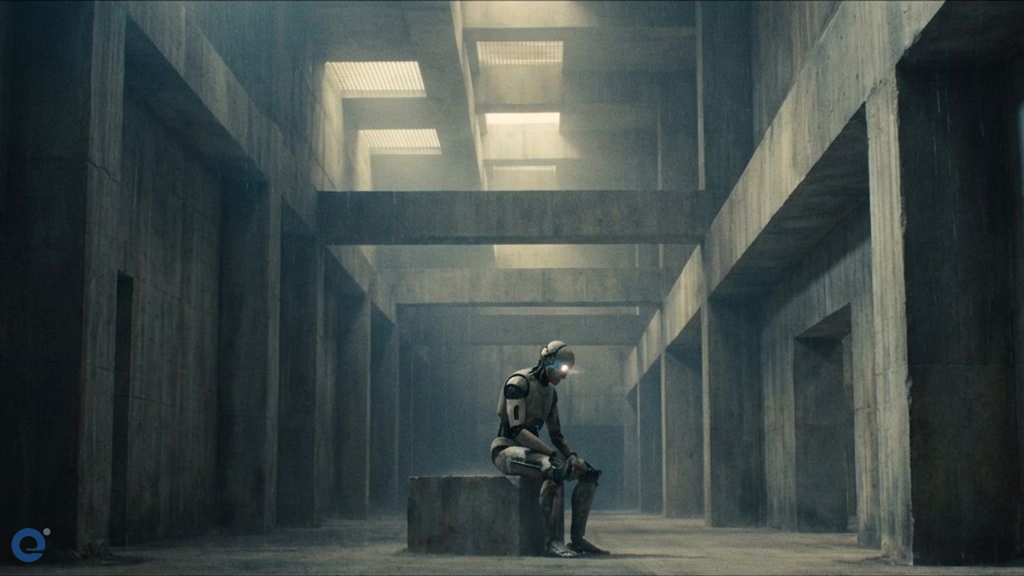
The animation industry is also exploring AI. From character concept art to generating in-between frames, AI offers tools to enhance efficiency. For instance, AI can help maintain style consistency across many frames or characters. It can also assist with background art generation.
While some worry about job displacement, many see AI as an assistant. It can handle repetitive tasks, freeing up animators to focus on more creative aspects like performance and storytelling. The integration of AI in animation production is heralding a new era.
The art of crafting effective prompts
The quality of AI-generated characters heavily depends on the input prompt. Prompt engineering[5] is becoming a skill in itself. A well-crafted prompt is detailed and specific. It guides the AI towards the desired output.
Designers should include details about:
- Character type (e.g., warrior, scientist, alien)
- Physical attributes (age, build, hair, eyes)
- Clothing and accessories
- Art style (e.g., realistic, cartoonish, pixel art, watercolor)
- Mood and expression
- Lighting and composition
Example of a detailed prompt
Instead of "a wizard", a more effective prompt might be: "A wise old wizard with a long white beard, wearing flowing blue robes adorned with silver stars, holding a glowing staff, in a mystical forest, fantasy art style, detailed, cinematic lighting." This level of detail gives the AI much more to work with.
Ethical considerations and the future role of designers
The rise of AI in character design also brings ethical questions. Issues of copyright and ownership of AI-generated images are still being debated. Moreover, concerns exist about AI models being trained on artists' work without their consent, potentially replicating their styles.
It is important to use AI tools responsibly and ethically. The role of the human designer is also evolving. Instead of just being creators, designers are becoming curators and directors of AI-generated content. Their artistic eye and decision-making remain vital.
The designer as a curator
AI can generate many options, but a designer's skill is needed to select the best ones. They refine, combine, and add the human touch to AI outputs. The final character is often a collaboration between human creativity and AI assistance. Many designers find that AI character tools enhance their workflow.
Getting started with AI character design
For designers looking to explore AI, there are many accessible tools. Many offer free trials or free tiers. Start by experimenting with different text-to-image generators. Pay attention to how different prompts affect the output.
Join online communities and forums where artists share tips and prompts. Learning from others is a great way to improve your prompt engineering skills. Also, explore tools that integrate with your existing workflow, like Photoshop plugins.
The evolving landscape
AI technology is advancing rapidly. New tools and capabilities are emerging constantly. Therefore, designers need to stay informed and adapt. The future of character design will likely involve a deeper integration of AI, but human creativity will remain at the core.
AI is not here to replace designers, but to augment their abilities. It's a powerful assistant that can speed up workflows and unlock new creative avenues. Embracing these tools thoughtfully will be key to success in the evolving field of character design.
Conclusion
AI is undeniably reshaping character design. It offers powerful tools for ideation, generation, and even animation. While it presents challenges and ethical questions, its potential to enhance the creative process is immense. For character designers, learning to work alongside AI will be crucial for navigating the future of their craft. The collaboration between human artistry and artificial intelligence promises a new era of creativity and efficiency.
More Information
- Generative AI: A type of artificial intelligence that can create new content, such as images, text, or music, based on patterns and structures learned from existing data.
- Pixel Art Frame Animation: A type of animation created using pixel art, where each frame is a distinct image made of pixels, and the sequence of these frames creates the illusion of movement, common in retro games.
- Keyframe: In animation, a keyframe is a drawing or position that defines the starting and ending points of any smooth transition or movement. They are the crucial frames in a sequence.
- Mixamo: An online platform by Adobe that provides animators with 3D characters, rigs, and a library of motion capture animations that can be applied to characters.
- Prompt Engineering: The process of structuring and refining text inputs (prompts) given to generative AI models to guide them towards producing the most accurate, relevant, and desired outputs.