
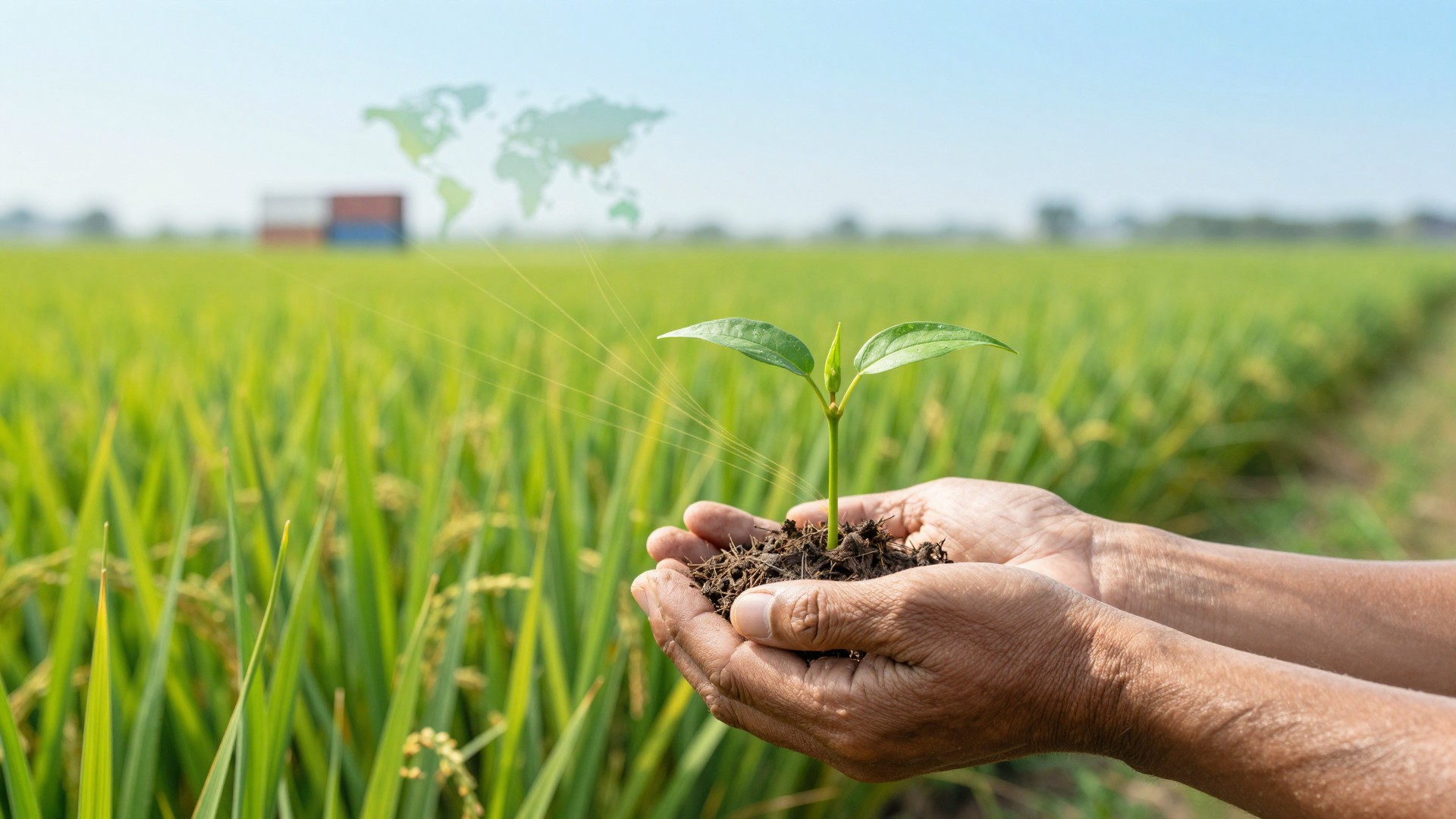
Vietnam’s economic trajectory is a dynamic narrative of transformation, moving from an agrarian society to a burgeoning industrial powerhouse. While the nation’s industrial sector increasingly dominates headlines as the driving force of economic development, the foundational role of agriculture in this evolution, particularly in achieving export economy diversification, cannot be overstated. This article delves into the multifaceted contributions of Vietnam’s agricultural sector to its export landscape, exploring how it not only provides essential goods but also acts as a crucial engine for economic resilience and expansion. Understanding the intricate interplay between agriculture and other sectors is key to grasping the full picture of Vietnam’s economic success. For a deeper understanding of the broader economic landscape, explore the insights on ‘Industry: The Driving Force of Vietnam’s Economic Development’.
For decades, agriculture has been the bedrock of the Vietnamese economy, employing a significant portion of the population and contributing substantially to the Gross Domestic Product (GDP). However, its significance extends far beyond domestic consumption and employment. Vietnam has emerged as a global agricultural superpower, exporting a diverse range of products that reach markets worldwide. This export-oriented approach has been instrumental in earning foreign exchange, driving rural development, and fostering a more diversified and robust national economy. The ability of the agricultural sector to adapt to international demand and quality standards has been a testament to its evolving capabilities and its critical role in Vietnam’s economic advancement.
The diversification of Vietnam’s export economy is a strategic imperative, reducing reliance on a few key sectors and mitigating risks associated with global market fluctuations. Agriculture plays a pivotal role in this strategy by offering a wide array of exportable commodities. From staple crops like rice and coffee to high-value products such as seafood, fruits, vegetables, and cashews, Vietnam’s agricultural output caters to diverse global tastes and demands. This broad product portfolio not only generates substantial export revenues but also creates numerous employment opportunities across the value chain, from farming and processing to logistics and marketing. The consistent performance of the agricultural sector has provided a stable foundation upon which other export-oriented industries can grow and thrive.
Rice, often referred to as Vietnam’s “golden grain,” has historically been a cornerstone of its agricultural exports. As one of the world’s largest rice exporters, Vietnam ensures global food security while generating significant revenue. However, the nation has strategically moved beyond just rice, embracing a more sophisticated export strategy. Coffee, particularly Robusta, is another major export commodity, with Vietnam being a leading global producer. The diversification efforts have seen a significant rise in the export of fruits and vegetables, with products like dragon fruit, mangoes, and lychees gaining popularity in international markets. This expansion into higher-value, perishable goods requires sophisticated supply chain management, cold storage, and adherence to stringent quality and safety regulations, showcasing Vietnam’s growing capabilities in managing complex export operations.
The seafood industry is another star performer in Vietnam’s agricultural export diversification. With a long coastline and abundant marine resources, Vietnam has become a major global supplier of shrimp, pangasius (catfish), and various other fish species. The demand for Vietnamese seafood is driven by its quality, competitive pricing, and increasingly, by sustainable farming practices. Investments in aquaculture technology and processing facilities have further enhanced the sector’s export potential, making it a vital contributor to the nation’s foreign exchange earnings. The growth in this sector highlights Vietnam’s ability to leverage its natural resources effectively while adapting to evolving international market demands for ethically and sustainably sourced products.
Beyond traditional crops and seafood, Vietnam is also making significant inroads in the export of processed agricultural products. This includes items like cashew nuts (where Vietnam is the world’s largest exporter), pepper, and various processed food items. Moving up the value chain from raw commodities to processed goods allows for higher profit margins and creates more sophisticated employment opportunities. This strategic shift is crucial for long-term economic growth and competitiveness on the global stage. The increasing focus on value-added processing not only boosts export revenues but also enhances the overall brand image of Vietnamese agricultural products.
The success of Vietnam’s agricultural export diversification is not solely dependent on production capabilities; it is also underpinned by a supportive government policy framework, increasing investments in research and development, and a growing emphasis on sustainable practices. Government initiatives aimed at promoting agricultural modernization, improving infrastructure, and facilitating market access for Vietnamese products have been instrumental. Furthermore, the adoption of international quality standards and certifications has enhanced the competitiveness and marketability of Vietnamese agricultural exports.
The challenges, however, remain. Climate change, price volatility in global markets, and the need for continuous innovation in production and processing technologies are ongoing concerns. Furthermore, as Vietnam’s industrial sector continues its impressive growth, as evidenced by the significant ‘impact of manufacturing sector on Vietnam’s GDP growth’, there is a continuous need to balance resource allocation and development strategies between agriculture and industry to ensure sustainable and equitable growth across all sectors.
In conclusion, agriculture remains a vital pillar in Vietnam’s strategy for export economy diversification. Its ability to produce a wide range of high-quality products, coupled with strategic investments and supportive policies, has enabled Vietnam to establish itself as a significant player in global agricultural trade. As the nation continues to develop, the agricultural sector’s role will evolve, focusing on higher value-added products, sustainable practices, and further integration into global supply chains, ensuring its continued contribution to Vietnam’s economic resilience and prosperity.