

Cloud infrastructure leads face increasing pressure. They must balance rapid growth with environmental responsibility. Sustainable data centers are no longer optional. They are a strategic necessity. These facilities minimize environmental impact. They also optimize operational costs. This article explores the core principles and benefits of sustainable data centers. It offers insights for leaders navigating this critical shift.
The growing demand for green infrastructure
Data centers consume vast amounts of energy. This energy powers servers, cooling systems, and other critical components. Their environmental footprint is significant. As digital transformation accelerates, this consumption only grows. Therefore, adopting sustainable practices is crucial. It helps mitigate climate change. It also ensures long-term business viability.
Many companies now prioritize sustainability. They seek partners who share these values. Cloud infrastructure providers must respond. They need to demonstrate a commitment to green operations. This includes everything from design to daily management. Sustainable data center solutions offer a competitive edge in today's market.
Key pillars of sustainable data center design
Achieving true sustainability requires a holistic approach. It starts with thoughtful design. It extends through construction and ongoing operations. Several key pillars support this framework.
Energy efficiency and renewable power
Energy efficiency is paramount. Data centers strive for a low Power Usage Effectiveness (PUE)[1]. A PUE closer to 1.0 indicates greater efficiency. This means less energy is wasted on non-IT functions. Advanced cooling technologies, like liquid cooling, help achieve this. Optimized server utilization also plays a role. Furthermore, sourcing clean energy is vital. Many leading providers now match 100% of their electricity use with clean and renewable energy sources. This often involves power purchase agreements (PPAs) with wind or solar farms. Green bonds[2] also fund these initiatives. For example, one major provider has issued $7.2 billion in green bonds since 2015.
Water stewardship and conservation
Water usage is another critical area. Data centers use significant amounts of water for cooling. Sustainable facilities implement smart water management strategies. These include closed-loop cooling systems. They also involve using recycled or reclaimed water. Some even employ air-side economizers. These systems reduce the need for water-intensive cooling. Responsible water stewardship minimizes local environmental impact. It also reduces operational costs.
Sustainable construction and materials
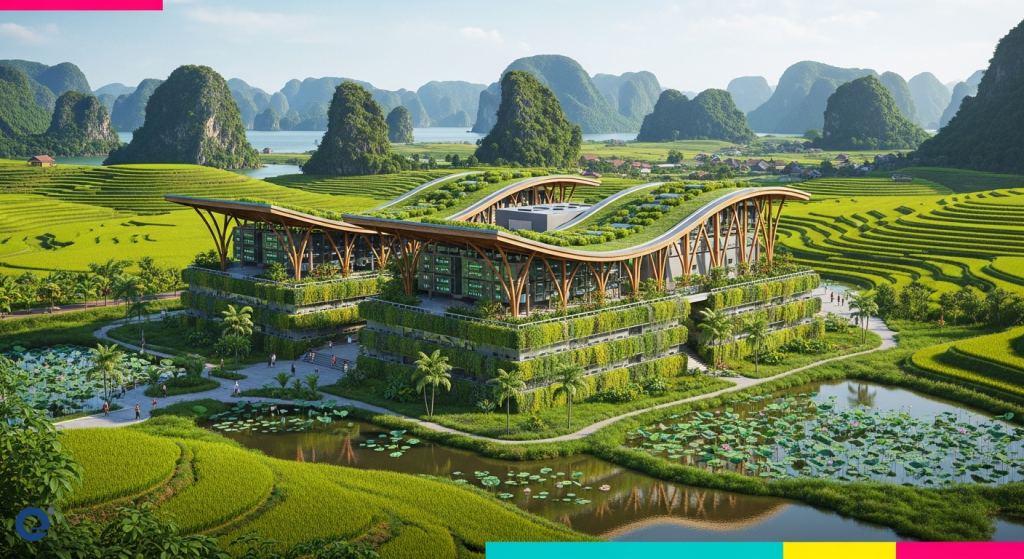
The construction phase itself offers sustainability opportunities. Using low-carbon concrete is one example. This material substitutes cement with alternatives like fly ash. Mass timber[3] is another innovative solution. It replaces steel and other high-carbon materials. These practices significantly reduce embodied carbon emissions. One company diverted 91% of its owned data center construction waste from landfills in 2024. This highlights the potential for waste reduction.
Hardware circularity and responsible disposal
The lifecycle of IT hardware is also important. Data centers generate electronic waste. Sustainable practices embrace circularity. This means prioritizing recycled materials in hardware. Post-consumer recycled (PCR) plastics and recycled metals are key. Extending equipment lifespan through refurbishment is another strategy. Proper end-of-life management ensures responsible recycling. This minimizes environmental harm. It also reduces the demand for new raw materials.
Navigating the regulatory landscape
Governments are increasingly regulating data center operations. This aims to curb energy consumption and environmental impact. For instance, New York State introduced Senate Bill S6394A[4]. This bill regulates energy consumption by data centers. It requires disclosure reports. These reports detail energy usage, waste heat, and water usage. Data center operators must also hold public hearings. They need to provide annual updates on reduction efforts. Such legislation underscores the need for proactive sustainability measures. Compliance is becoming a significant factor for cloud infrastructure leads. It ensures continued operation and avoids penalties.
Benefits for cloud infrastructure leads
Investing in sustainable data centers offers multiple advantages. Firstly, it leads to significant cost savings. Energy-efficient designs reduce utility bills. Lower water consumption also cuts expenses. Secondly, it enhances brand reputation. Customers and investors increasingly value environmental responsibility. A strong sustainability profile attracts new business. It also fosters trust. Thirdly, it ensures regulatory compliance. Proactive measures help avoid future fines. They also position companies favorably for new legislation. Finally, it future-proofs operations. Sustainable practices build resilience. They prepare businesses for evolving market demands and resource scarcity. This strategic imperative is clear. Pioneering the future with sustainable green data hubs is essential for long-term success.
Implementing a sustainable strategy
Cloud infrastructure leads should develop a clear sustainability roadmap. This begins with an audit of current operations. Identify areas for improvement. Set measurable goals for PUE, water usage, and renewable energy adoption. Partner with certified providers. Look for certifications like LEED[5] or BREEAM. These ensure adherence to recognized standards. Invest in innovative technologies. Explore solutions like AI-optimized concrete formulas. Consider biofuel for backup generators. Engage with supply chain partners. Encourage sustainable practices throughout the ecosystem. Regular reporting and transparency are also crucial. Share progress with stakeholders. This builds credibility and accountability.
The path forward
Sustainable data centers are fundamental to the future of cloud infrastructure. They offer a pathway to operational excellence. They also support environmental stewardship. Cloud infrastructure leads must embrace this transformation. It is not just about compliance. It is about creating a more resilient, efficient, and responsible digital future. The benefits extend beyond the environment. They impact the bottom line and market position. Therefore, prioritizing sustainability is a smart business decision.
More Information
- Power Usage Effectiveness (PUE): A metric used to determine the energy efficiency of a data center. It is calculated by dividing the total power entering the data center by the power used by the IT equipment.
- Green Bonds: Fixed-income financial instruments used to raise capital specifically for projects with environmental benefits, such as renewable energy infrastructure or energy-efficient buildings.
- Mass Timber: Engineered wood products designed for strength and durability, used as a sustainable alternative to steel and concrete in construction, reducing embodied carbon emissions.
- Senate Bill S6394A: New York State legislation aimed at regulating energy consumption by data centers, requiring disclosure reports, public hearings, and efforts to reduce environmental impact.
- LEED (Leadership in Energy and Environmental Design): A widely recognized green building certification program that verifies buildings are designed, constructed, operated, and maintained using practices that improve environmental and human health performance.