Educational animation for children is a vibrant and engaging medium. It combines entertainment with learning objectives. Consequently, it has become increasingly popular among parents and educators. This article explores the world of educational animation for children. We will discuss its benefits, types, and key elements. Furthermore, we will look at examples and the role of adults.
What is educational animation for children?
Educational animation for children refers to animated content specifically designed to impart knowledge, skills, values, or moral lessons to young audiences. Unlike purely entertainment-focused cartoons, these animations have clear learning goals. They aim to support a child's cognitive development[1], social-emotional learning (SEL)[2], and overall understanding of the world. Therefore, they serve as valuable tools in early childhood education.
The benefits of educational animation
The impact of well-designed educational animation is significant. Children are naturally drawn to colorful visuals and engaging stories.
Boosting cognitive skills
Many educational animations focus on foundational skills. For instance, they teach letters, numbers, shapes, and colors. They can also introduce more complex topics like science and history in an accessible way. The visual and auditory nature of animation helps reinforce learning and memory retention.
Fostering social-emotional learning
Animations often feature characters navigating social situations. Children can learn about empathy, cooperation, and problem-solving by watching these characters. Moreover, stories can address emotions, helping children understand and manage their own feelings. Shows like "Inside Out" are excellent examples of this, as noted in discussions about films that teach character.
Instilling moral values
Many animations for children carry underlying moral messages. They teach about honesty, kindness, responsibility, and respect. Through relatable characters and narratives, children can absorb these values in a natural and engaging manner.
Enhancing language development
Educational cartoons expose children to new vocabulary and sentence structures. Repetitive songs and phrases in animations can also aid language acquisition, especially for very young learners or those learning a new language.
Sparking creativity and imagination
Animation can transport children to fantastical worlds. It can introduce them to imaginative characters and scenarios. This exposure can stimulate their own creativity and encourage imaginative play.
Video about Hoat hinh giao duc cho tre em
Types of educational animation
Educational animation comes in various forms, catering to different platforms and learning styles.
Animated films and series
Feature films and television series often blend entertainment with educational themes. Movies like "Zootopia" or "Luca" (mentioned in Source 1) explore themes of prejudice, acceptance, and friendship, offering valuable life lessons within an engaging story. Series are particularly good for sequential learning.
Interactive educational apps
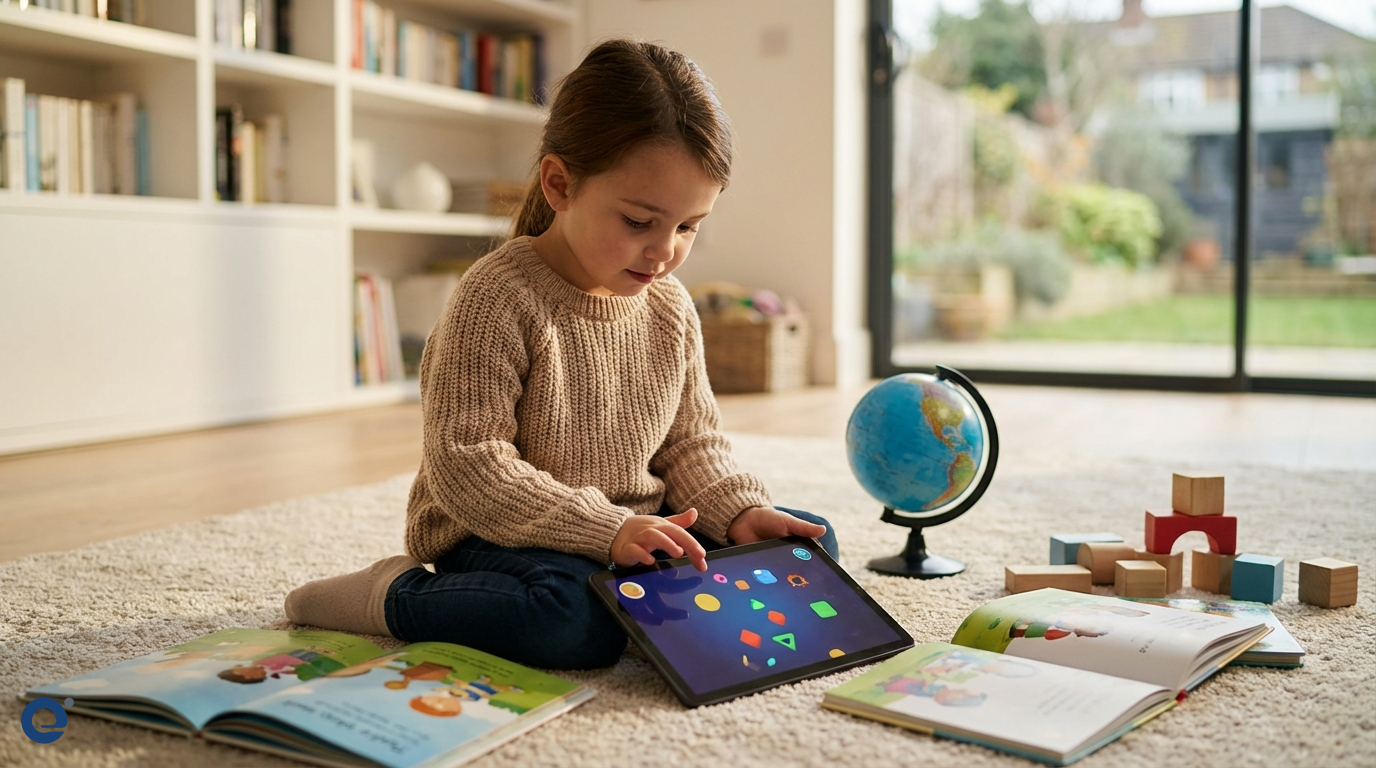
Many mobile applications use animation to create interactive learning games for children. These apps, like those found on the App Store for kids aged 2-5, often focus on puzzles, letters, numbers, and coloring, incorporating gamification[4] to motivate learning.
YouTube channels and web series
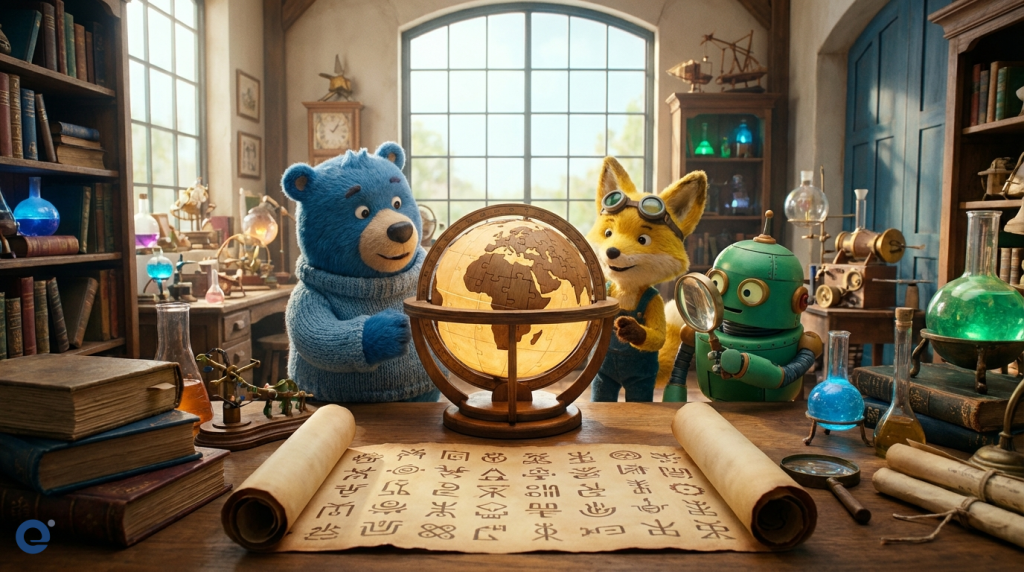
Platforms like YouTube host numerous channels dedicated to educational content for children. Channels like BHMEDIA and Pops Kids (from Source 3) offer songs, stories, and lessons in a visually appealing animated format, making learning accessible through various YouTube channels.
Key elements of effective educational animation
Not all animations are equally educational. Several factors contribute to the effectiveness of educational content.
Age-appropriateness
Content must be tailored to the developmental stage of the target audience. Age-appropriateness[3] ensures that the themes, language, and complexity are understandable and relevant to the child.
Engaging storylines and characters
A compelling narrative and relatable characters are crucial. They capture children's attention and make the learning process enjoyable. Children are more likely to absorb information when they are invested in the story.
Clear learning objectives
Effective educational animation has clear goals. Whether it's teaching the alphabet or a moral lesson, the objective should be evident and integrated naturally into the content.
Positive role models
Characters in educational animations often serve as role models. They should exhibit positive behaviors and values that children can emulate.
Interactivity (where applicable)
For apps and some web content, interactivity enhances engagement. It allows children to actively participate in the learning process, rather than just passively consuming[5] content.
A vibrant animated scene showing diverse children learning and playing together in a colorful, imaginative world, highlighting the joy of educational animation.
The role of parents and educators
While educational animation is a great tool, adult involvement is key.
Guidance and selection
Parents and educators should carefully select age-appropriate and high-quality content. They can research and preview animations before introducing them to children.
Co-viewing and discussion
Watching animations with children provides opportunities for discussion. Adults can reinforce learning points, answer questions, and connect the content to real-life situations. This makes the experience more interactive and meaningful.
Balancing screen time
It's important to balance screen time with other activities. Educational animation should complement, not replace, other forms of learning and play, such as reading, outdoor activities, and social interaction.
Challenges and considerations
There are also challenges to consider.
Screen time limits
Excessive screen time can have negative effects. It is crucial to adhere to recommended screen time guidelines for different age groups.
Content quality
The quality of educational animation varies widely. Some content may be more focused on entertainment than education, or it may present information inaccurately. Discerning quality is important.
Passive consumption vs. active learning
Watching animation can be a passive activity. Adults should encourage children to actively engage with the content through discussion, questions, and related activities to avoid mere passive consumption[5].
The future of educational animation
The field of educational animation is constantly evolving. We are seeing advancements in technology like AI in animation production, which could lead to more personalized and adaptive learning experiences. Virtual reality (VR) and augmented reality (AR) may also offer new immersive ways for children to learn through animation. The goal is to make learning even more engaging and effective.
Conclusion
Educational animation for children is a valuable resource when used thoughtfully. It can support various aspects of a child's development, from cognitive skills to social-emotional understanding. By choosing high-quality content, co-viewing with children, and balancing screen time, parents and educators can harness the power of animation to make learning a fun and enriching experience.
More Information
Cognitive Development: This refers to the growth of a child's ability to think, reason, understand concepts, solve problems, and remember information. Educational animation often targets these skills through puzzles, counting, and storytelling.
Social-Emotional Learning (SEL): SEL is the process through which children and adults acquire and apply the knowledge, attitudes, and skills necessary to understand and manage emotions, set and achieve positive goals, feel and show empathy for others, establish and maintain positive relationships, and make responsible decisions.
Age-Appropriateness: This means the content, themes, language, and complexity of the animation are suitable for the specific age group it targets, considering their developmental stage, understanding, and sensitivities.
Gamification: This is the application of game-design elements and game principles in non-game contexts, such as educational apps, to make learning more engaging and motivating by using points, badges, leaderboards, and interactive challenges.
Passive Consumption: This refers to the act of receiving information or entertainment, such as watching a video, without actively engaging with it or interacting with the content, which can limit learning benefits.