
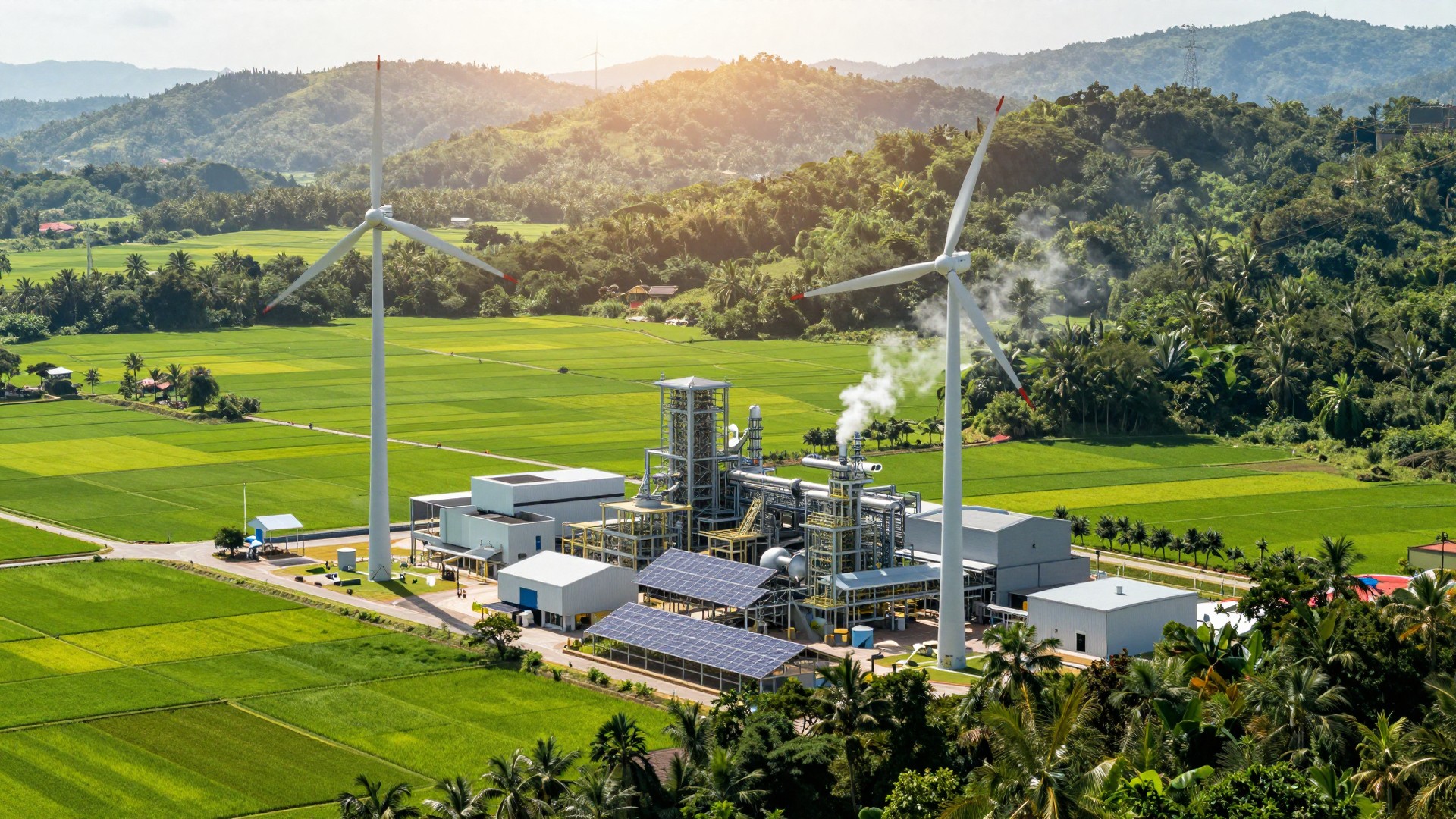
Vietnam’s economic trajectory is undeniably impressive, marked by rapid industrialization and significant contributions to global supply chains. As the nation continues to build upon this momentum, a critical conversation is emerging around how to foster this growth sustainably. The future of Vietnam’s industrial sector hinges on its ability to integrate environmental stewardship and social responsibility into its core development strategies. This approach ensures not only economic prosperity but also long-term resilience and improved quality of life for its citizens. Understanding the intricate balance between industrial advancement and ecological preservation is paramount for navigating the complexities of the 21st-century global economy. We believe that robust industrialization is a key component of economic progress, and you can learn more about this in our main article, Industry: The Driving Force of Vietnam’s Economic Development.
The pursuit of sustainable industrial development in Vietnam is not merely an environmental imperative; it’s a strategic economic advantage. By adopting cleaner production methods, embracing circular economy principles, and investing in green technologies, Vietnam can reduce its reliance on resource-intensive processes, mitigate pollution, and enhance its global competitiveness. This transition offers opportunities to attract foreign direct investment from environmentally conscious companies and to develop new markets for sustainable products and services. Furthermore, a focus on sustainability can lead to greater energy efficiency, reduced waste management costs, and improved public health outcomes, all of which contribute to a more robust and equitable economy. The long-term vision for Vietnam’s industrial sector must therefore be one that prioritizes innovation, resource efficiency, and environmental responsibility.
One of the cornerstones of sustainable industrial development is the adoption of green manufacturing practices. This involves minimizing waste generation, optimizing energy and water consumption, and reducing the emission of pollutants. Implementing advanced technologies such as renewable energy sources for factory operations, wastewater treatment systems, and efficient material handling processes are crucial steps. The Vietnamese government has a significant role to play in incentivizing these shifts through policy frameworks, tax breaks for green investments, and stringent environmental regulations. By creating a supportive regulatory environment, Vietnam can encourage businesses to invest in sustainable practices and technologies. This proactive approach will not only safeguard the environment but also position Vietnam as a leader in responsible industrialization.
Another vital strategy is the promotion of the circular economy. This model shifts away from the traditional linear “take-make-dispose” approach towards one where resources are kept in use for as long as possible, extracting maximum value from them and then recovering and regenerating products and materials at the end of each service life. For Vietnam’s industrial sector, this translates to designing products for durability and recyclability, developing robust collection and recycling infrastructure, and fostering industries that utilize recycled materials. Embracing circularity can create new business models, generate employment opportunities in waste management and reprocessing, and significantly reduce the strain on natural resources. This approach is particularly relevant given Vietnam’s growing manufacturing base and its increasing consumption patterns.
Investing in research and development (R&D) for green technologies is also a critical component of Vietnam’s sustainable industrial future. This includes supporting innovation in areas such as renewable energy storage, sustainable materials science, energy-efficient manufacturing processes, and advanced pollution control technologies. Collaboration between government, academic institutions, and the private sector is essential to foster an ecosystem that encourages innovation and the rapid adoption of new, environmentally friendly solutions. By becoming a hub for green technology development, Vietnam can not only address its own environmental challenges but also export its expertise and technologies to other nations. This forward-thinking approach can drive significant economic growth while simultaneously contributing to global sustainability efforts.
The role of foreign direct investment (FDI) in driving sustainable industrial development cannot be overstated. As global supply chains evolve, companies are increasingly scrutinizing the environmental and social performance of their partners. Vietnam has an opportunity to attract high-quality FDI by demonstrating a strong commitment to sustainability. This means not only implementing robust environmental regulations but also offering incentives for investors who prioritize green practices and technologies. The foreign direct investment trends in Vietnam’s industrial zones are already showing a growing interest in sustainable practices, and Vietnam can further capitalize on this by creating a more attractive and supportive environment for such investments.
Furthermore, workforce development and education are crucial for a successful transition to sustainable industrial practices. Training programs that focus on green skills, environmental management, and the operation of advanced green technologies are essential. This ensures that Vietnam has a skilled workforce capable of implementing and maintaining sustainable industrial processes. Empowering workers with the knowledge and skills to adopt environmentally responsible practices will foster a culture of sustainability throughout the industrial sector. This human capital development is as vital as technological advancements in achieving long-term sustainable growth.
The development of robust infrastructure plays a pivotal role in supporting sustainable industrialization. This includes investing in modern, efficient transportation networks that reduce carbon emissions, developing smart grids for reliable and renewable energy distribution, and establishing comprehensive waste management and recycling facilities. Sustainable infrastructure projects not only facilitate industrial operations but also contribute to a cleaner and more livable environment for communities. Prioritizing green infrastructure development will lay a solid foundation for Vietnam’s long-term sustainable economic growth.
Finally, effective governance and policy implementation are the bedrock of any successful sustainable development strategy. This involves creating clear, consistent, and enforceable environmental regulations, promoting transparency and accountability in industrial operations, and fostering public participation in decision-making processes. Collaborative efforts between government agencies, businesses, civil society organizations, and local communities are vital to ensure that sustainable industrial development benefits all stakeholders and contributes to a healthier planet and a more prosperous future for Vietnam. The nation’s continued economic progress, including the impact of the manufacturing sector on Vietnam’s GDP growth, will be significantly enhanced by a strategic focus on these sustainable pathways.