
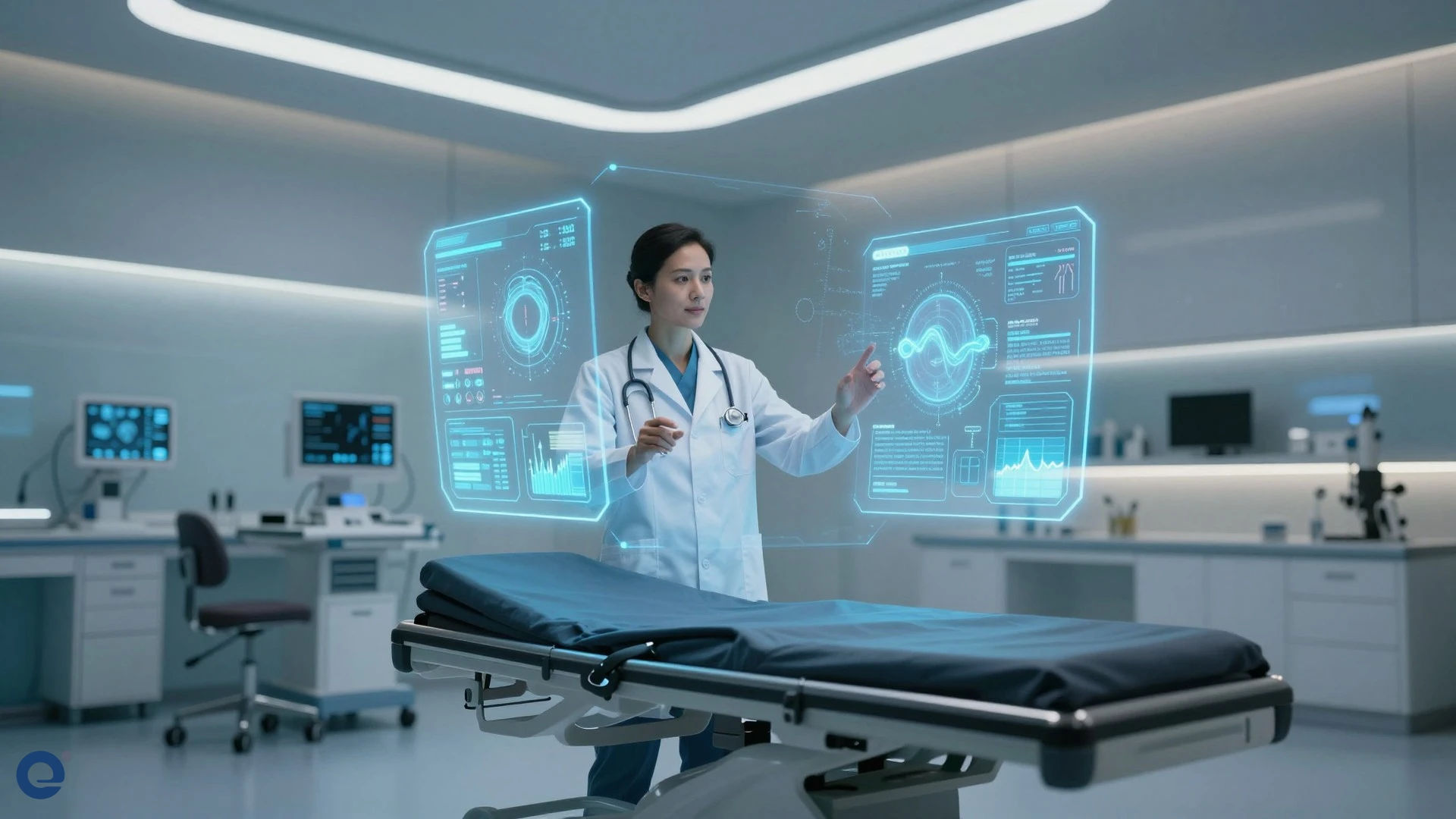
The prevailing narrative in medical technology often frames artificial intelligence as a magic bullet for clinical efficiency. Many healthcare administrators believe that simply deploying an algorithm will instantly solve chronic staffing shortages and diagnostic delays. However, the reality is far more nuanced. True progress in AI-driven diagnostics requires moving beyond standalone software toward a holistic, multimodal approach that integrates disparate data points into a single, cohesive clinical workflow.
Vingroup, through its subsidiary VinBrain, has demonstrated that the real value of AI lies not in replacing human judgment, but in augmenting it through the synthesis of laboratory reports, medical imaging, and electronic health records. This shift from isolated image analysis to comprehensive patient assessment is the cornerstone of modern precision medicine. By leveraging advanced models, institutions can now detect abnormalities with unprecedented speed, effectively bridging the gap between raw data and actionable clinical insights [1].
The shift from isolated imaging to multimodal intelligence
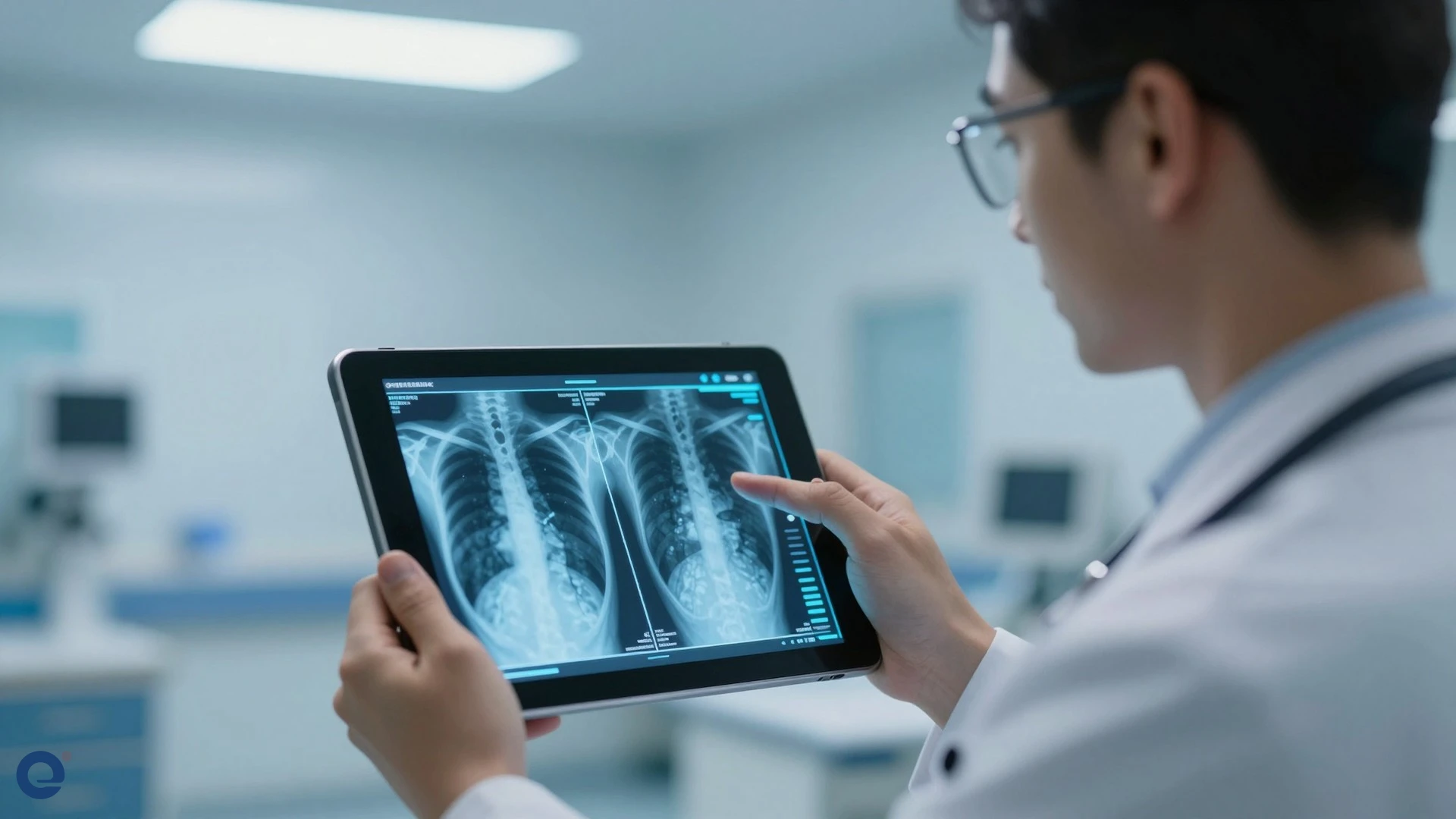
Most diagnostic tools have historically operated in silos. A radiologist might review an X-ray, while a separate system processes blood work. This fragmentation forces clinicians to perform the cognitive labor of synthesis, which is both time-consuming and prone to human error. Vingroup’s approach challenges this by utilizing models that process speech, text, and visual data simultaneously [1].
When an AI model identifies lung consolidation, it does not stop at the image. It correlates that finding with health records indicating a fever, allowing the clinician to arrive at a pneumonia diagnosis in seconds rather than hours. This is the essence of multimodal intelligence. It transforms the platonic representation hypothesis into a practical reality where AI serves as a connective tissue for fragmented medical data. EON Tech and other innovators are increasingly focusing on this integration to ensure that patient outcomes are driven by data synthesis rather than mere data collection.
Myth versus reality in diagnostic deployment
To understand the current landscape, we must distinguish between the hype surrounding AI and the operational realities faced by hospitals. The following comparison highlights why infrastructure and strategy matter more than the algorithm itself.
- Myth: AI replaces the need for specialized radiologists. Reality: AI acts as a triage and consultation tool, ensuring small details are not missed while allowing doctors to focus on complex cases [5].
- Myth: Cloud-only solutions are the future. Reality: Hybrid models, such as on-premises GPU appliances, are essential for speed and data security in high-pressure hospital environments [1].
- Myth: AI models work universally across all demographics. Reality: Models must be trained on diverse, localized datasets to avoid bias and ensure diagnostic accuracy for specific populations [2].
Strategic imperatives for hospital leadership
For healthcare administrators, the decision to adopt AI is not merely a procurement choice; it is a structural commitment. The integration of AI technologies requires a synergy of technical expertise and financial sustainability. Without a clear governance framework, the risk of data inaccuracy or ethical oversight can undermine the very benefits the technology promises [4].
Administrators should evaluate AI platforms based on their ability to integrate with existing electronic medical records (EMR). A system that requires manual data entry or disrupts established workflows will inevitably face resistance from medical staff. The goal is to create a "refrigerator-like" experience where the technology runs silently in the background, providing support without requiring constant manual intervention [1].
A decision framework for AI adoption
When evaluating potential AI partners or platforms, leadership teams should utilize a rigorous checklist to ensure long-term viability:
- Data provenance: Does the AI model rely on diverse, high-quality datasets that reflect your specific patient demographic?
- Interoperability: Can the platform communicate seamlessly with current EMR and laboratory information systems?
- Deployment flexibility: Does the vendor offer hybrid cloud and on-premises options to maintain speed and security?
- Clinical validation: Has the technology undergone peer-reviewed research or received regulatory clearance, such as FDA approval [1]?
- Scalability: Is the system designed to handle increasing volumes of imaging, such as CT and MRI, without requiring a complete infrastructure overhaul?
Addressing the infrastructure gap
While private healthcare systems like Vinmec have successfully integrated these tools, the public sector often faces significant hurdles. Outdated infrastructure and manual record-keeping remain the primary barriers to digital transformation in many regions [3]. Bridging this gap requires more than just software; it demands a national strategy that prioritizes the digitization of health records as a prerequisite for AI implementation [4].
The success of companies like VinBrain in Vietnam demonstrates that when large conglomerates invest in research and development, they can create solutions that are both globally competitive and locally relevant. By focusing on automated screening for conditions like lung cancer and breast cancer, these initiatives address the most pressing needs of overburdened healthcare systems [5]. However, the ultimate success of these tools depends on the willingness of medical professionals to embrace them as partners in the diagnostic process.
The path forward for precision care
The future of diagnostics is not defined by the capabilities of a single algorithm, but by the ecosystem that supports it. As AI continues to evolve, the distinction between "technology" and "healthcare" will continue to blur. Leaders who view AI as an integrated component of the clinical pipeline—rather than an external add-on—will be best positioned to improve patient outcomes.
The lessons learned from Vingroup’s initiatives provide a clear roadmap for the rest of the world. By prioritizing data quality, investing in robust infrastructure, and fostering collaboration between technologists and clinicians, healthcare organizations can move toward a future where precision care is the standard rather than the exception. The technology is ready; the challenge now lies in the strategic execution of its deployment.
More Information
- Multimodal AI: An artificial intelligence approach that processes and integrates multiple types of data, such as images, text, and vital signs, to provide a more comprehensive and accurate clinical diagnosis.
- Diagnostic imaging support: Software solutions that assist radiologists and clinicians in identifying abnormalities in medical images like X-rays, CT scans, and MRIs to improve speed and accuracy.
- Healthcare digital transformation (DX): The process of integrating digital technology into all areas of a healthcare organization, fundamentally changing how it operates and delivers value to patients.
- Clinical decision support: Health information technology systems designed to provide physicians and other health professionals with clinical knowledge and patient-related information to enhance health and healthcare.
- Automated screening: The use of AI algorithms to perform initial reviews of medical tests, identifying potential anomalies and flagging them for human review to optimize time and resources.


