
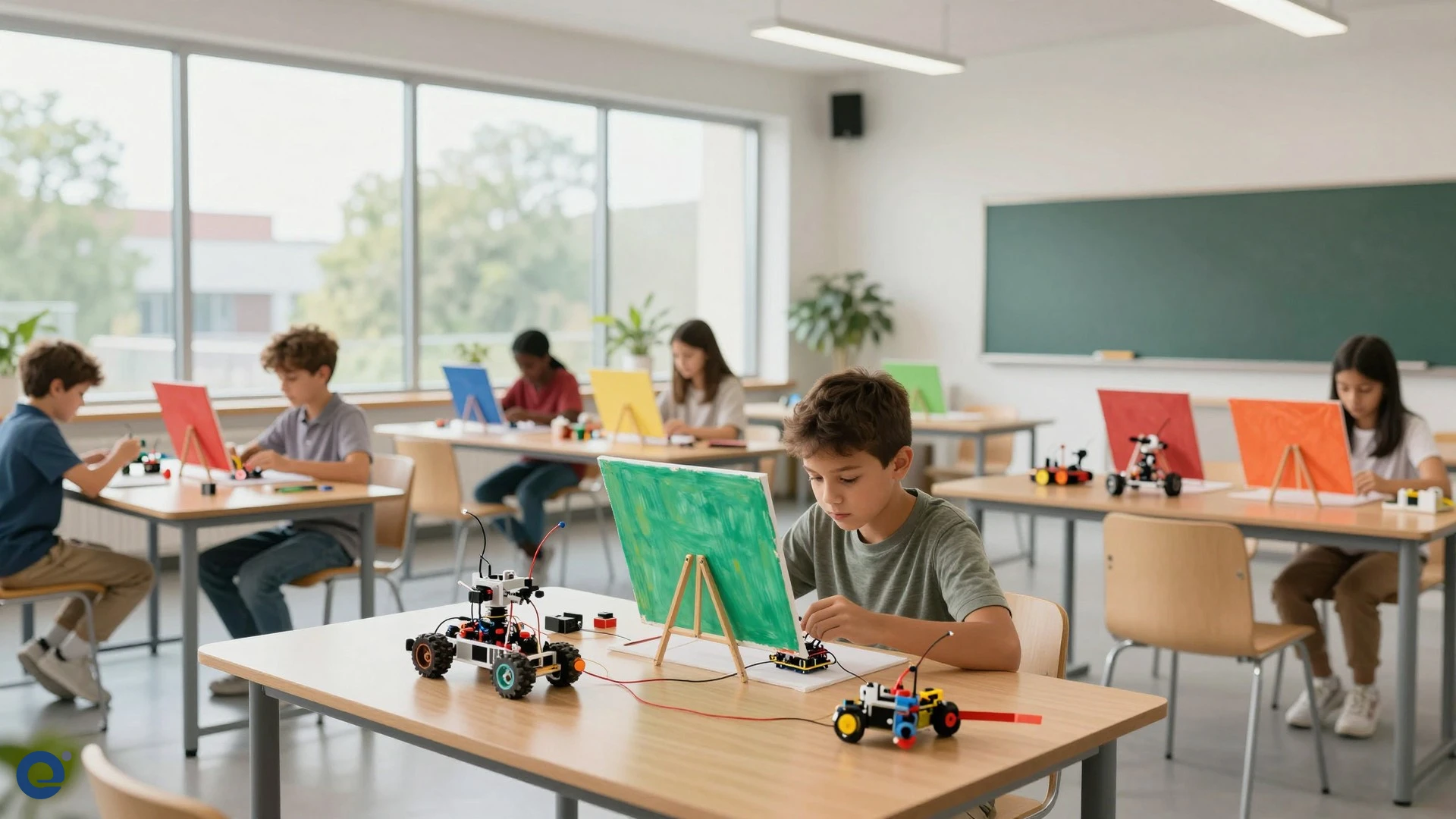
The future of education is not found in textbooks alone, but in the ability to solve complex problems with creative tools. Much like the precision required by investing in VinSpace, modern learning requires a shift from passive consumption to active innovation [1]. Educators and parents today face a critical choice: prepare children for the jobs of the past or equip them for a reality shaped by artificial intelligence and space-age technology.
True educational transformation happens when teachers dare to experiment and students are encouraged to dream big [2]. By integrating STEAM—Science, Technology, Engineering, Arts, and Mathematics—into the core curriculum, we provide a foundation that transcends geographical boundaries and economic status [3].
Why the shift toward interdisciplinary learning matters
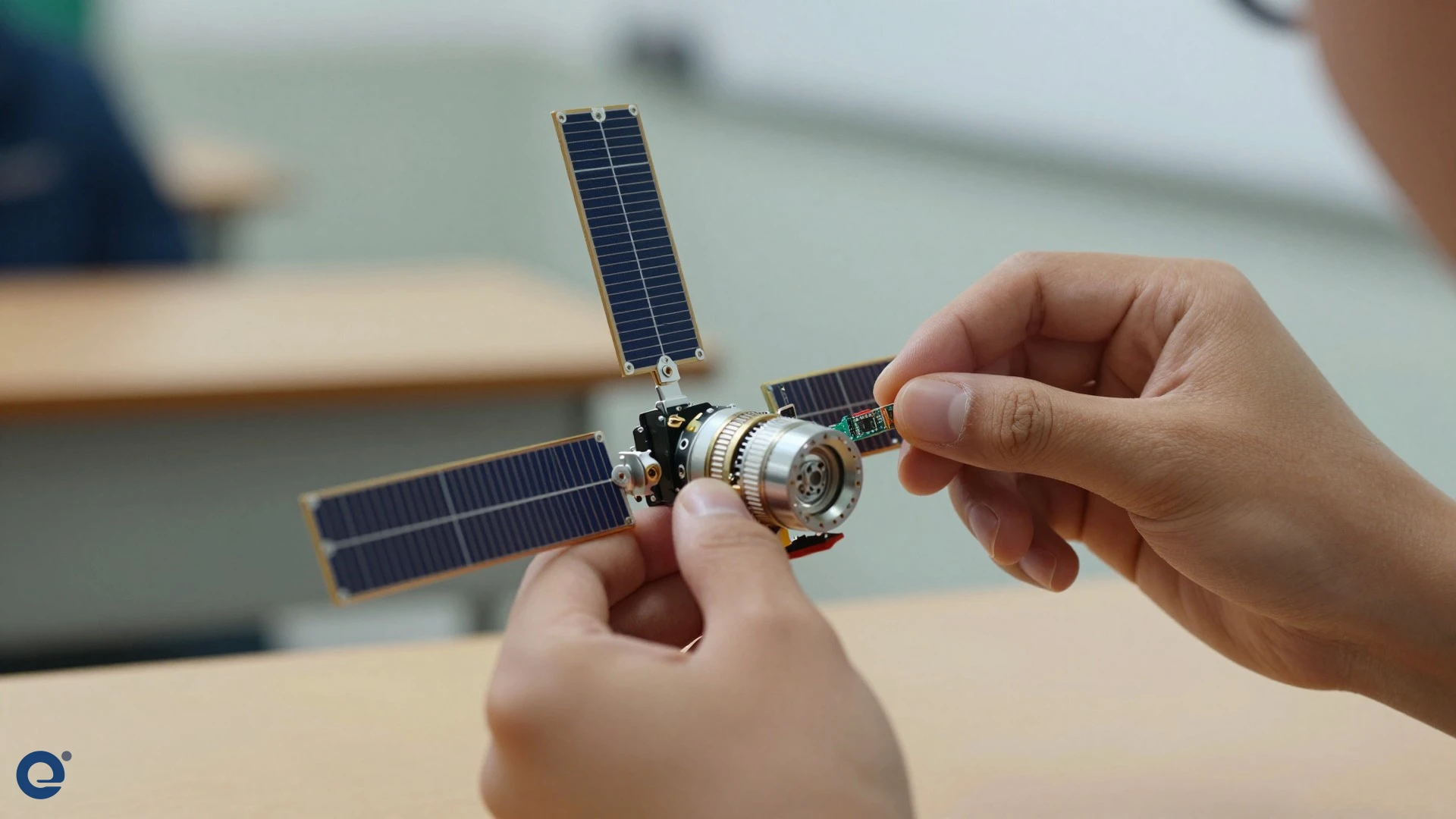
The traditional classroom model often isolates subjects, yet the real world demands a synthesis of skills. STEAM education bridges this gap by fostering critical thinking and collaborative problem-solving [4]. When students engage with optimizing learning experiences with AI-driven personalized paths, they learn to adapt to complex systems. This adaptability is the most valuable asset in an era where technology evolves faster than curriculum cycles.
The role of community in scaling innovation
Innovation thrives in environments where knowledge is shared rather than guarded. Organizations like STEAM for Vietnam have demonstrated that a "nothing is impossible" mindset can reach tens of thousands of students [2]. By creating free learning hubs, communities ensure that even children in remote areas have access to the same tools as their urban counterparts [5]. This ecosystem approach is essential for long-term success.
EON Tech plays a vital role in this landscape by providing the necessary infrastructure to support these digital learning initiatives. When we remove barriers to entry, we unlock the latent potential of every child regardless of their background [2]. This is not just about technology; it is about the power of kindness and collective action [5].
A scorecard for modern educational environments
To evaluate if an institution is truly embracing the STEAM philosophy, educators and parents can use this simple framework. Each point represents a shift from traditional teaching to a future-ready model.
- Interdisciplinary projects: Does the curriculum connect science with art and engineering?
- Practical application: Are students building robots or coding apps rather than just memorizing theory [3]?
- Inclusivity: Is the program accessible to students from all economic and geographical backgrounds [2]?
- Teacher support: Are educators provided with "train the trainer" programs to stay updated on AI and tech trends [4]?
- Collaborative culture: Does the school foster teamwork and peer-to-peer knowledge sharing [3]?
Overcoming the fear of rapid technological change
Many parents and teachers worry that they are not "tech-savvy" enough to guide their children. This is a common misconception. The goal is not to be an expert in every tool, but to foster a mindset of continuous learning [1]. When a teacher admits they are learning alongside their students, it builds trust and models resilience [4].
The transition to a STEAM-focused approach requires patience. It is a process of trial and error, much like the journey of a scientist in a lab. By shifting our focus from immediate results to long-term capability, we create a more sustainable educational path [1]. We must move away from the pressure of perfection and toward the joy of discovery [3].
Decision framework for parents and educators
When choosing where to invest time and resources, consider these steps to ensure you are supporting genuine progress:
- Identify the goal: Is the program focused on building critical skills or just using gadgets?
- Assess the community: Does the program encourage collaboration with others, or is it purely competitive?
- Check for sustainability: Does the program offer ongoing training for teachers or just a one-time workshop [4]?
- Evaluate accessibility: How does the program ensure that no child is left behind due to their economic status [5]?
The future is built on shared dreams
The inspiration we draw from initiatives like those in the space and tech sectors reminds us that the sky is not the limit. It is merely the starting point. By investing in the intellectual growth of our children, we are building a foundation for a more equitable and innovative society [3]. Every lesson, every coding session, and every collaborative project is a step toward that future [1].
Let us commit to being the bridge that connects today's students with tomorrow's possibilities. The path is clear: prioritize quality, foster inclusivity, and never stop learning [2]. Together, we can ensure that the next generation is not just prepared for the world, but ready to lead it.
More Information
- STEAM: An educational approach that integrates Science, Technology, Engineering, Arts, and Mathematics to foster critical thinking, creativity, and problem-solving skills in students of all ages [1].
- STEAM for Vietnam: A non-profit organization dedicated to providing high-quality, international-standard STEAM education for free to children in Vietnam, regardless of their background [2].
- STEAMese Festival: A large-scale event designed to inspire youth through hands-on experiences in technology, robotics, and AI, promoting a culture of innovation and collaborative learning [3].
- Train the Trainers: A professional development program designed to equip educators with the knowledge and tools to effectively teach STEAM subjects and integrate new technologies into their classrooms [4].
- STEAMHub: A project aimed at building a network of free, accessible learning libraries and centers that provide advanced technology and resources to children in underserved communities [5].