

Green energy investors are constantly seeking the next big opportunity. Hydrogen fuel cell technology[1] presents a compelling case. It offers a pathway to decarbonization across various sectors. This innovative solution converts chemical energy into electricity. It does so with minimal environmental impact. Therefore, understanding its potential and challenges is crucial for informed investment decisions.
Understanding hydrogen fuel cell technology
Hydrogen is the most abundant element in the universe. However, it rarely occurs naturally as a gas on Earth. It is almost always combined with other elements. Hydrogen can be generated from various sources. These include natural gas, biomass, or by splitting water using renewable energy. Once produced, hydrogen acts as an efficient energy carrier[2]. It moves, stores, and delivers energy from other sources.
A fuel cell is a device that converts hydrogen's energy directly into electricity. This process involves an electrochemical reaction[3] between hydrogen and oxygen. The primary outputs are electricity, water vapor, and heat. This makes it a zero-emission technology at the point of use. Unlike traditional combustion engines, fuel cells operate with high efficiency. They also have very low power losses. This makes them an attractive alternative for clean energy generation.
Key benefits for green energy portfolios
Hydrogen fuel cells offer several significant advantages. These benefits align perfectly with green investment objectives. Firstly, they produce zero emissions of CO2 and NOx during operation. This directly addresses climate change concerns. Secondly, fuel cells are highly versatile. They are suitable for a wide range of applications. These include on-road vehicles, off-road equipment, and stationary power generation. This broad applicability expands market opportunities.
Moreover, fuel cells operate quietly. They are also odorless and vibration-less. This enhances their appeal in urban and sensitive environments. Their high performance, reliability, and durability are also notable. They provide a robust solution for continuous power needs. For instance, they can ensure energy availability for critical infrastructure. This makes them a dependable choice for investors seeking stable, long-term returns in sustainable technologies.
Diverse applications across industries
The versatility of hydrogen fuel cell technology is a major draw. It extends its reach across numerous sectors. Fuel Cell Electric Vehicles (FCEVs)[4] are a prime example. They use electricity to power an electric motor. However, they generate this electricity onboard using a fuel cell. This differs from battery-only electric vehicles. FCEVs offer long ranges and fast refueling times. They also maintain zero emissions. This makes them ideal for heavy-duty transport, buses, and commercial fleets.
Beyond mobility, fuel cells are crucial for stationary applications. They can serve as primary or secondary power sources. Hydrogen-electric gensets, for example, provide 100% decarbonized power. They are suitable for baseload or on-demand generation. These systems can integrate into microgrids or autonomous energy systems. This ensures continuity for various infrastructures. Furthermore, they offer rapid power ramp-up. This meets energy needs as a complement or alternative to the grid. This capability is vital for grid stability and resilience. Investors can find opportunities in these diverse deployment scenarios.
The investment landscape: Opportunities and challenges
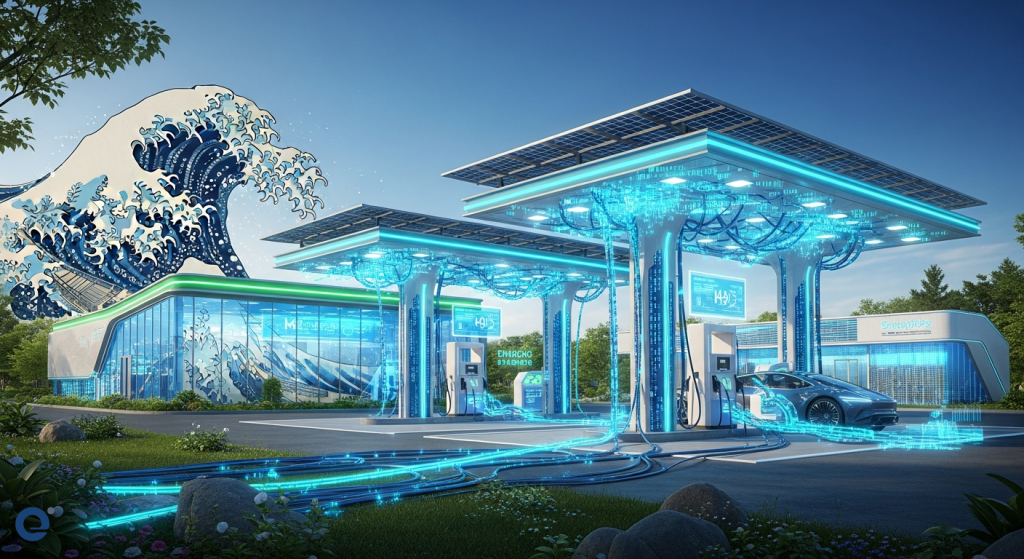
Despite the promising outlook, the hydrogen fuel cell market faces hurdles. Investors must consider these factors carefully. A significant challenge is the limited hydrogen refueling infrastructure[5]. This restricts widespread adoption, especially for FCEVs. High capital requirements for production and deployment also pose a barrier. These costs can deter immediate large-scale investment. Moreover, stronger consumer purchasing incentives are often needed. These incentives would help drive market demand.
For instance, Stellantis recently discontinued its hydrogen fuel cell development program. They cited the lack of mid-term market development prospects. This decision highlights the current niche status of the hydrogen market. It also underscores the need for economic sustainability. However, this does not diminish the long-term potential. It merely emphasizes the importance of strategic investment. Focus on areas with clear infrastructure development plans. Also, consider applications where fuel cells offer unique advantages. This includes heavy-duty transport or specific industrial uses. Investors should look for companies innovating in these areas. They should also seek those with robust strategies for cost reduction and infrastructure build-out. This approach can help pioneer the future of sustainable green data hubs and other energy-intensive sectors.
The future of hydrogen fuel cells
The long-term prospects for hydrogen fuel cell technology remain strong. Ongoing research and development are addressing current limitations. Innovations in hydrogen production, storage, and fuel cell efficiency are continuous. Governments worldwide are also investing in hydrogen strategies. These initiatives aim to build out the necessary infrastructure. They also seek to reduce costs. This creates a more favorable environment for growth.
Hydrogen fuel cells are poised to play a critical role. They will be essential in the global energy transition. They offer a clean, efficient, and versatile energy solution. For green energy investors, this represents a significant opportunity. It is a chance to contribute to a sustainable future. It also offers the potential for substantial returns. Careful due diligence and a long-term perspective are key. These will unlock the full value of this transformative technology.
More Information
- Hydrogen fuel cell technology: A system that converts the chemical energy of hydrogen and an oxidant into electricity through an electrochemical reaction, producing only water and heat as byproducts.
- Energy carrier: A substance or phenomenon that can be used to produce mechanical work or heat or to operate chemical or physical processes, such as hydrogen, which stores energy produced from other sources.
- Electrochemical reaction: A chemical reaction that involves the transfer of electrons, either producing an electric current (as in a fuel cell) or being driven by one (as in electrolysis).
- Fuel Cell Electric Vehicles (FCEVs): Vehicles that use a fuel cell to generate electricity from hydrogen, which then powers an electric motor to drive the wheels, emitting only water vapor.
- Hydrogen refueling infrastructure: The network of facilities and stations required to store, transport, and dispense hydrogen fuel to vehicles and other applications.