
Startups operate in a fast-paced environment. They need to grab attention quickly. Moreover, they must convey their message clearly and affordably. Minimalist animation emerges as a powerful tool in this context. It offers a compelling way to communicate with audiences without overwhelming them or breaking the bank.
What is minimalist animation?
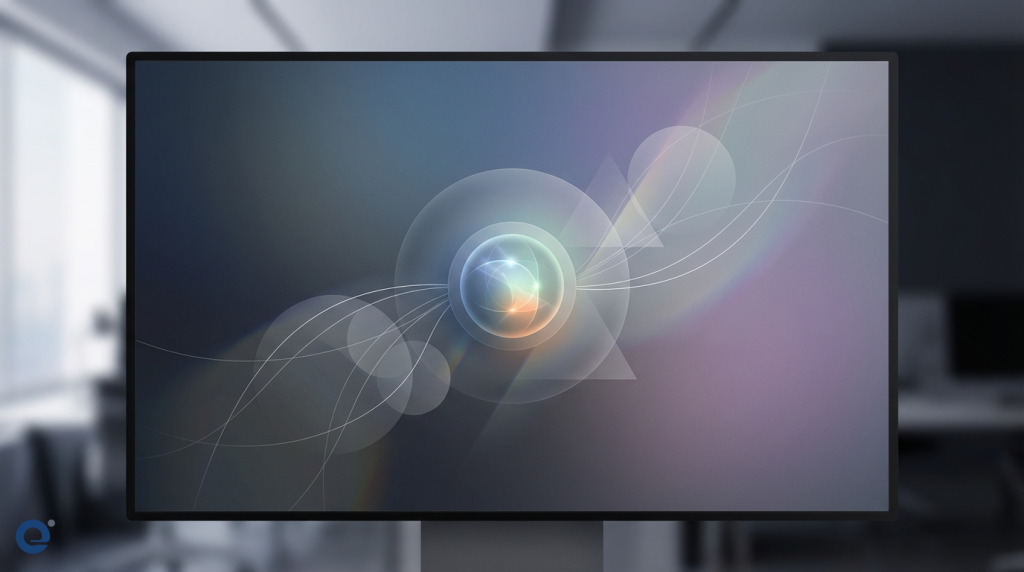
Minimalist animation is a style that focuses on simplicity and clarity. It uses basic shapes, limited color palettes, and clean lines. Furthermore, it avoids excessive detail or complex visual effects. The core idea is to communicate the message with the fewest elements necessary. This approach values negative space and deliberate motion.
Unlike elaborate 3D animations or highly detailed 2D work, minimalism strips away the non-essential. It emphasizes the core message. Consequently, the animation is often more direct and easier to understand quickly. It’s about doing more with less.
The philosophy behind minimalism
Minimalism in design and animation is about intentionality. Every element on screen serves a purpose. There is no room for decoration without function. This philosophy aligns well with startups that need to be clear about their value proposition[1].
Why should startups embrace minimalist animation?
Startups face unique challenges. They often have limited budgets and tight deadlines. Therefore, minimalist animation presents several advantages.
Cost-effectiveness
Simpler animations require less production time and fewer resources. Fewer details mean less time spent on modeling, texturing, and rendering. As a result, the overall cost is significantly lower compared to more complex animation styles. This is crucial for bootstrapped or early-stage startups.
Faster production times
The reduced complexity also leads to quicker turnarounds. Startups can get their animated content to market faster. This speed allows them to react to market changes or launch campaigns more rapidly. Consequently, they gain a competitive edge.
Clarity of message
Minimalist visuals reduce cognitive load. Viewers can easily understand the message without being distracted by unnecessary details. This clarity is vital when explaining a new product or service. Startups need to communicate their core ideas effectively, and minimalism aids this.
Strong brand identity
A minimalist animation style can contribute to a modern and clean brand identity[2]. It suggests efficiency and sophistication. Many successful tech companies adopt minimalist aesthetics. Therefore, it can help a startup project a professional image.
Versatility across platforms
Minimalist animations are typically lightweight. They load quickly on websites and perform well on various devices and social media platforms. This adaptability is essential in today's multi-platform digital landscape. Consider short animation for TikTok, where brevity and clarity are key.
Key elements of effective minimalist animation
Creating successful minimalist animation involves more than just removing elements. It requires careful consideration of what remains.
Simple shapes and geometry
Basic geometric shapes form the foundation. Circles, squares, and lines are used to create characters and environments. This simplicity is easy to animate and understand.
Limited color palettes
A restricted color scheme, often just two or three colors, is common. This helps maintain visual consistency and reinforces brand identity. The colors are chosen carefully to evoke the desired emotion.
Fluid motion and transitions
While the visuals are simple, the motion is often smooth and engaging. Fluid transitions between scenes keep the viewer interested. Motion graphics[3] principles are heavily employed here.
Focus on typography
Text often plays a significant role. Animated typography can convey information dynamically and stylishly. The choice of font is crucial and aligns with the minimalist aesthetic.
Clear audio and sound design
With fewer visuals, sound becomes even more important. A clear voice-over, appropriate background music, and subtle sound effects enhance the message and engagement. The sound design complements the visual simplicity.
Use cases of minimalist animation for startups
Minimalist animation can be used in various ways to support a startup's goals.
Explainer videos
This is perhaps the most popular use. Startups often need to explain complex ideas or products concisely. A minimalist explainer video can break down information into easily digestible parts. It guides the viewer step-by-step.
Product demos
Instead of a live-action demo, an animated version can highlight key features cleanly. It can show the user interface or product functionality without the clutter of a real-world setting. This is particularly useful for software startups.
Social media content
Short, eye-catching animations are perfect for social media feeds. They can increase engagement and shareability. Minimalist animations stand out due to their clean look amidst noisy feeds.
Website elements and microinteractions
Subtle animations on a website can improve user experience. Minimalist loading animations, button hover effects, or transitions add a touch of polish without slowing down the site.
Onboarding animations
For apps or software, minimalist animations can guide new users through the initial setup or key features. This makes the onboarding process more engaging and less intimidating.
Tools and resources for creating minimalist animation
Startups have several options for producing minimalist animations.
Software options
Several software tools cater to different skill levels and budgets. Adobe After Effects is a powerful tool for motion graphics. For simpler animations, tools like Vyond or Powtoon offer template-based solutions. There is also a range of open source animation software that can be very cost-effective.
Hiring freelancers vs. agencies
Freelance animators can be found on platforms like Upwork or Fiverr and are often more affordable. Agencies may offer a more comprehensive service but at a higher cost. The choice depends on the startup's budget and project scope.
DIY approaches
With user-friendly online tools, some startups might attempt to create simple animations in-house. This requires some design sense and time, but it can be the most budget-friendly option for very basic needs.
Common mistakes to avoid
While minimalism is about simplicity, it's not about being simplistic or boring.
Over-simplification leading to blandness
There's a fine line between minimalist and empty. The animation still needs to be visually appealing and engaging. It requires good design principles.
Poor storytelling
Even with simple visuals, a strong narrative is essential. The storyboarding[4] phase is critical to ensure the message flows logically and captivates the audience.
Ignoring sound design
Bad audio can ruin even the best animation. Professional voice-over and well-chosen music are vital. Sound effects, even subtle ones, add depth.
Inconsistent branding
The animation style, colors, and typography should align with the startup's overall brand guidelines. Inconsistency can confuse the audience.
Forgetting the call to action
Most startup animations aim to drive action. A clear call to action (CTA)[5] at the end is crucial, telling viewers what to do next.
The future of minimalist animation in the startup world
Minimalist animation is not just a trend; it's a practical approach that aligns with the needs of modern businesses, especially startups.
Integration with AI
We may see AI tools emerge that can generate simple, minimalist animations based on text prompts, further reducing production time and cost.
Interactive elements
Minimalist animations might incorporate more interactive elements, especially on websites and in apps, allowing users to engage more directly with the content.
In conclusion, minimalist animation offers startups a powerful combination of cost-effectiveness, speed, and clarity. By focusing on the essentials and employing good design principles, startups can create compelling animated content that resonates with their audience and helps them achieve their business goals.
More Information
- Value Proposition: A concise statement that clearly communicates the unique benefits a product or service offers to its target customers, differentiating it from competitors.
- Brand Identity: The collection of all visual elements that a company creates to portray the right image to its consumer, including logo, colors, typography, and design style.
- Motion Graphics: Animation, but with text as a major component. Essentially, it's animated graphic design, often used for explainer videos, title sequences, and advertisements.
- Storyboarding: A visual outline for an animation or video, consisting of a series of drawings with notes about dialogue, sound, and action, used to plan the sequence of events.
- Call to Action (CTA): An instruction to the audience designed to provoke an immediate response, usually using imperative verbs like "Call now," "Find out more," or "Visit our store."