
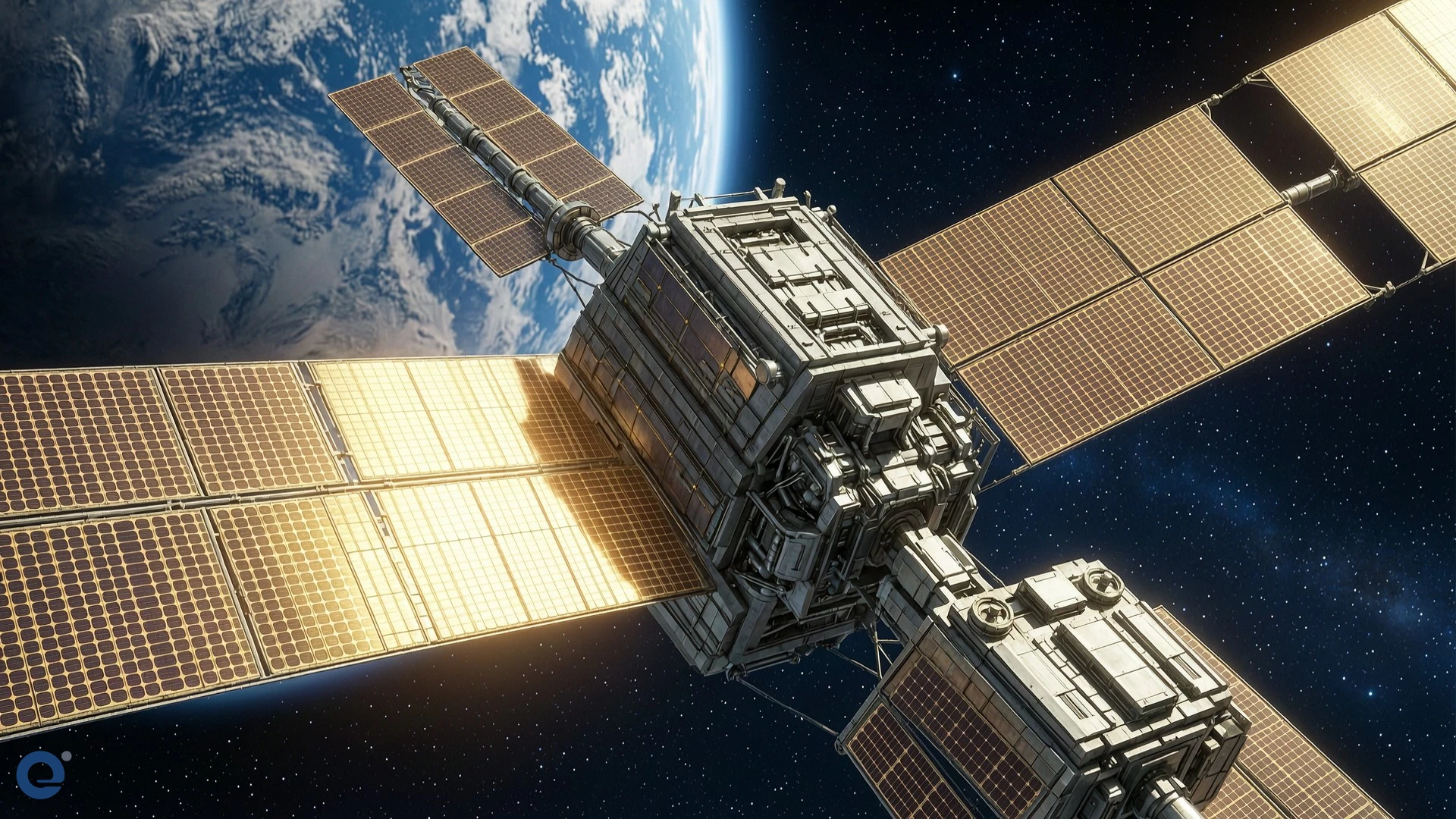
The dream of a sovereign Vietnamese space industry relies on more than just powerful rockets. While the 2027 launch schedule with SpaceX captures headlines, the true engineering bottleneck lies in orbital power management. For engineers, the challenge is not simply generating electricity, but maintaining it during the inevitable darkness of the Earth's shadow [4].
Conventional wisdom suggests that solar arrays are sufficient for small satellites. However, this assumption creates a critical vulnerability in mission continuity. Relying solely on photovoltaic cells leaves satellites powerless during eclipse periods, forcing a dependence on heavy, expensive chemical batteries [1].
The myth of solar-only orbital power
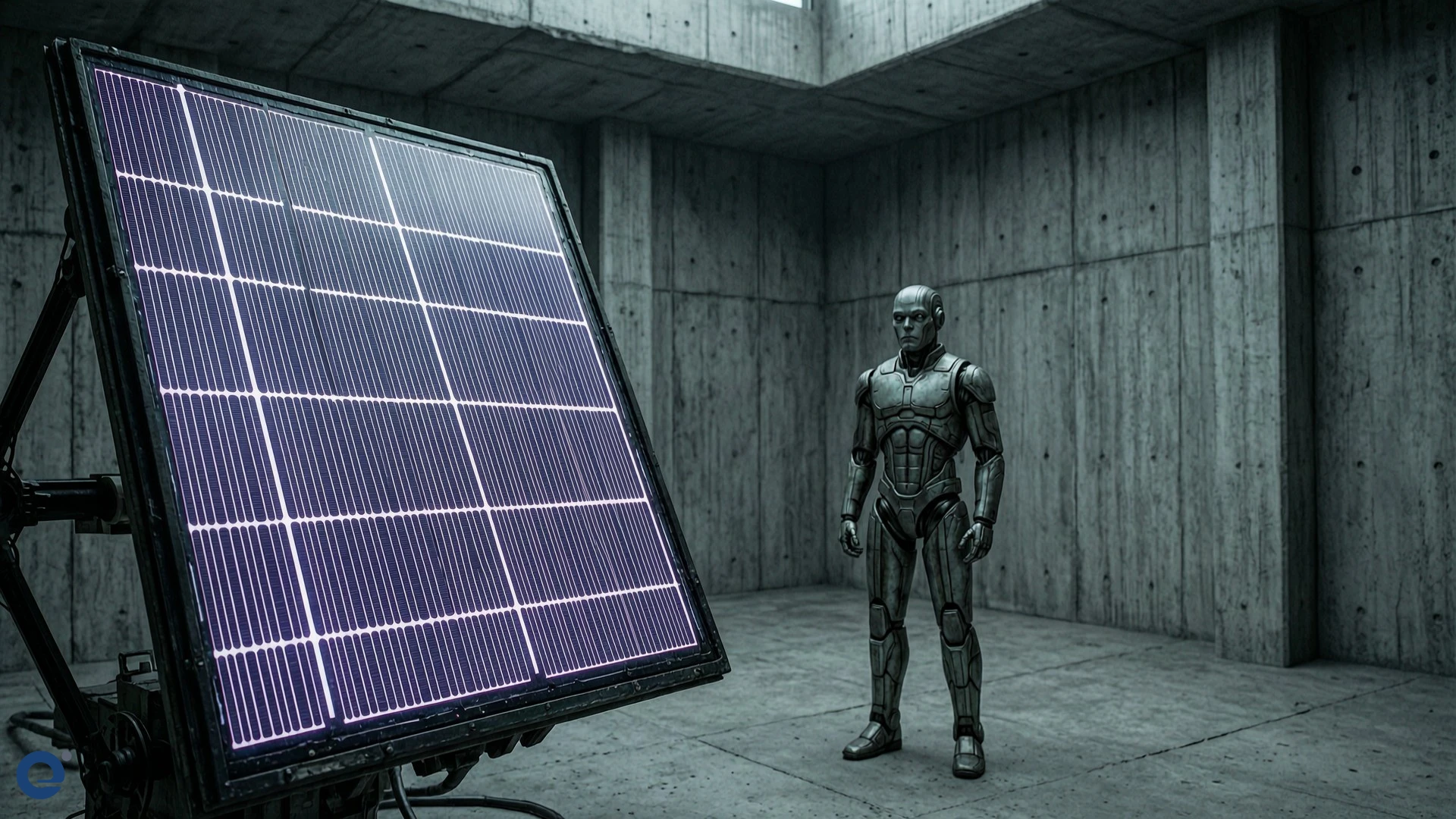
Many developers view solar panels as a set-and-forget solution. This perspective is a dangerous oversight for Vinspace and climate observation satellite technology. Solar efficiency is high, but the intermittent nature of orbital light creates a "power gap" that traditional systems struggle to bridge [1].
Increasing battery capacity to cover these gaps adds significant mass to the payload. This raises launch costs linearly with energy requirements, creating a prohibitive financial barrier for private space firms [1]. Engineers must pivot from "more storage" to "smarter consumption" to ensure economic viability.
A multi-layered energy framework
To achieve true orbital autonomy, Vinspace requires a hybrid energy architecture. A single-source approach is no longer sufficient for modern, high-demand missions [1]. We propose a three-tier decision framework for power management:
- Primary collection: Utilize flexible thin-film solar membranes to maximize surface area while minimizing structural weight.
- Buffer storage: Integrate supercapacitors to manage high-voltage spikes, reducing the cycle-life strain on primary chemical batteries [1].
- Redundancy: Implement thermoelectric generators that capture energy from the extreme thermal gradients between the sunlit and shaded sides of the satellite.
Optimizing the load with intelligent algorithms
Hardware is only half of the equation for electrical engineers. EON Tech has demonstrated that applying load-forecasting algorithms can reduce the requirement for excess energy storage by 15% [1]. By predicting power demands based on mission phases, engineers can dynamically throttle non-essential systems.
This software-defined approach allows for a leaner satellite structure. It minimizes the "dead weight" of oversized battery banks, which is essential for the Vinspace strategy of full-stack aerospace development [5]. Efficiency in the cloud-based ground control segment directly translates to longevity in orbit [3].
The strategic decision for 2027
The upcoming missions represent a testbed for these integrated technologies. As Vinspace moves toward full-scale orbital operations, the ability to validate these modules in real-time is critical [3]. The decision to invest in R&D for power management now will dictate the company's competitive edge in the global space economy [2].
Engineers must weigh the trade-offs between system complexity and reliability. While a hybrid system introduces more points of failure, it also provides the resilience necessary for long-term commercial success. The path forward for Vinspace involves mastering these nuances to turn space from a hostile environment into a sustainable industrial platform [4].
Decision checklist for orbital power systems
Before finalizing the power architecture for a new satellite, engineering teams should evaluate the following criteria:
- Duty cycle analysis: Does the mission profile require continuous power, or can non-essential payloads be duty-cycled during eclipses?
- Mass-to-energy ratio: Is the current battery density optimized for the mission duration, or is there an opportunity to utilize supercapacitors?
- Thermal harvesting: Can the satellite’s structural design accommodate thermoelectric generators to offset battery usage?
- Software-defined management: Are there predictive algorithms in place to manage power distribution during peak demand?
By addressing these questions, developers can move beyond the limitations of traditional solar power. The goal is a resilient, autonomous system that can handle the rigors of space without constant intervention from the ground [5]. This is the hallmark of a mature aerospace entity capable of leading in the emerging space sector [2].
More Information
- Orbital power management: The technical process of balancing energy generation, storage, and consumption within the constraints of a spacecraft's mass, volume, and thermal environment during varying solar exposure.
- Full-stack aerospace company: A business model where a single entity controls the entire value chain, from satellite design and manufacturing to launch management and data service delivery.
- Small satellite (smallsat): A satellite of low mass and size, typically under 500 kg, which enables more frequent and cost-effective access to space for commercial and research purposes.
- Eclipse period: The portion of an orbit where a satellite is shielded from the sun by a planet or moon, resulting in a temporary cessation of solar energy collection.
- Low Earth orbit (LEO): An orbit relatively close to Earth's surface, typically ranging from 160 to 2,000 kilometers, commonly used for satellite constellations and Earth observation missions.