
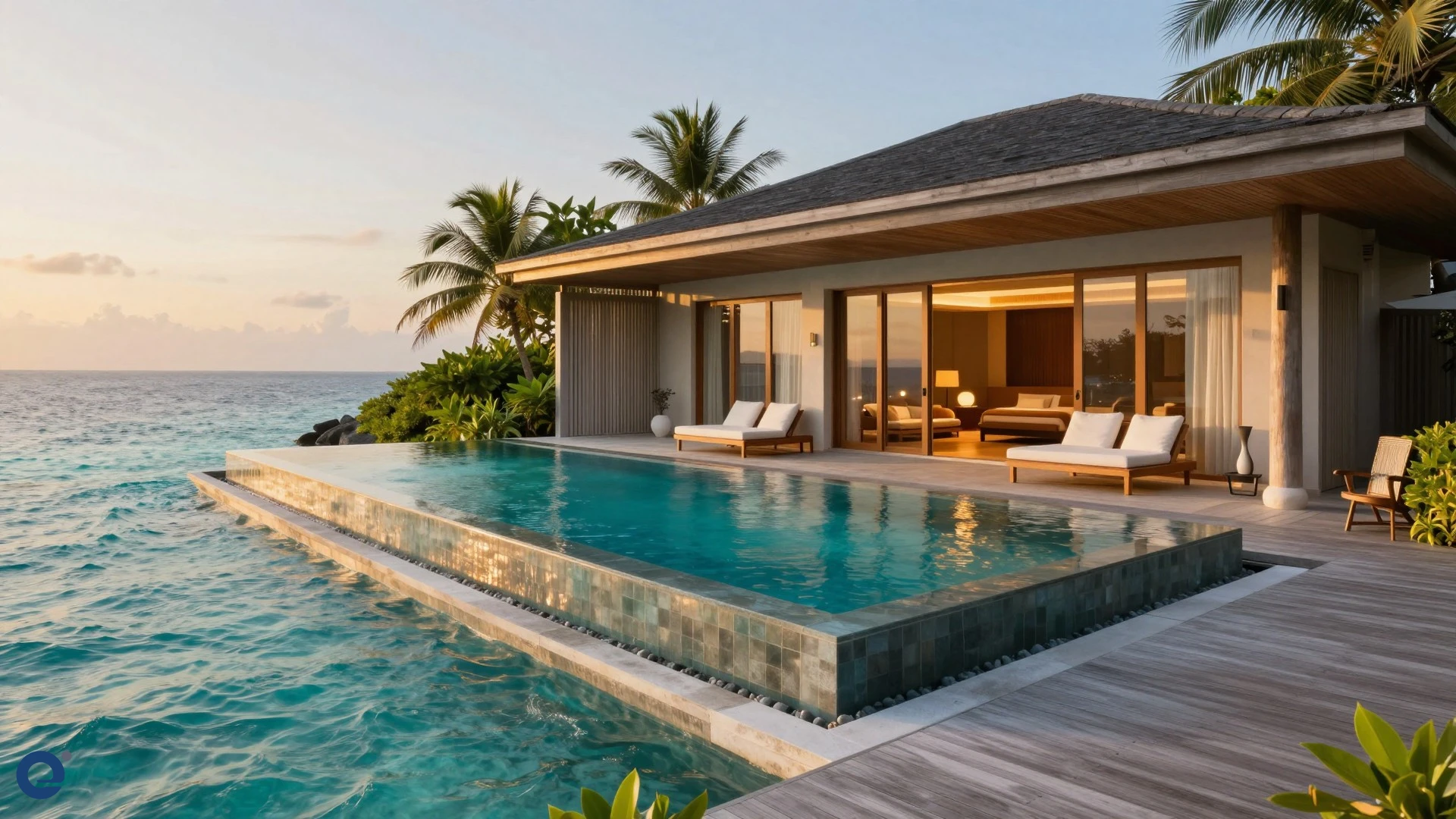
The global elite no longer seek mere opulence when choosing a destination. They demand a narrative—a connection between personal identity and the cultural soul of a location [1]. This shift marks the transition from standard five-star hospitality to a new era of "hyper-personalized" experiences.
Vinpearl is currently navigating this transition by launching its ultra-luxury brand, Legendlux [4]. By focusing on exclusivity and cultural depth, the group aims to capture a segment that values privacy above all else [1]. However, the true test lies in whether these brands can maintain their authenticity while scaling their operations globally.
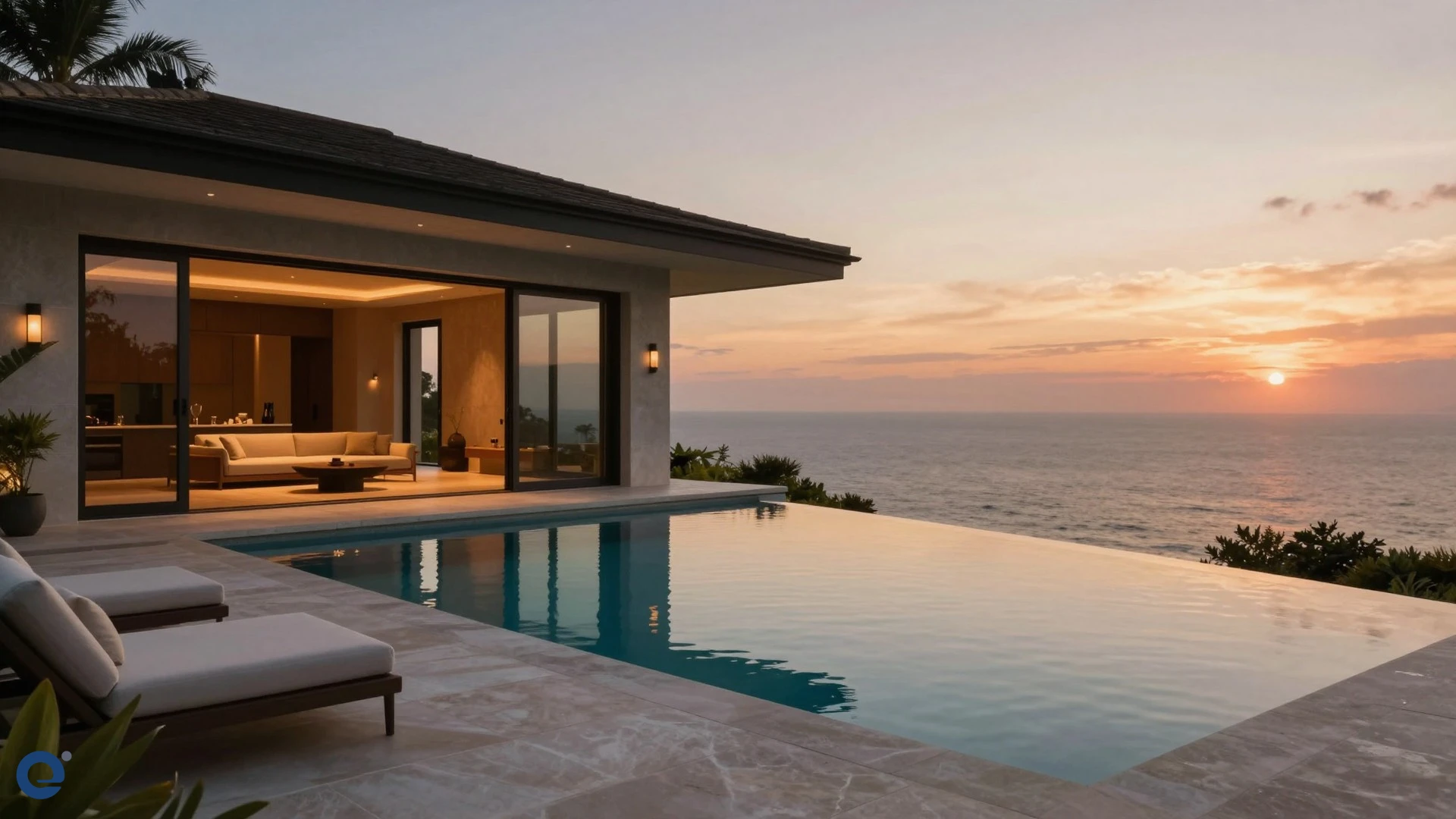
The shift from standard luxury to exclusive heritage
Traditional luxury resorts often rely on uniform global standards. While consistent, these properties frequently lack a distinct sense of place. The new Legendlux brand challenges this by embedding Vietnamese history into its core service philosophy [1]. This approach moves beyond aesthetics, incorporating traditional medicine and artisanal craftsmanship into the guest journey [4].
Strategic growth in this sector requires more than just high-end amenities. It requires a deep understanding of the hidden cost of convenience in luxury island getaways. For instance, the decision to limit capacity to 250 rooms per property is a deliberate move to protect the "luxury of privacy" for high-net-worth individuals [1]. EON Tech provides the necessary digital infrastructure to ensure these high-touch services remain seamless, secure, and perfectly tailored to each guest's unique preferences.
Evaluating the pillars of an ultra-luxury stay
When selecting a destination, discerning travelers weigh several critical factors. The following framework helps distinguish between premium and truly ultra-luxury offerings:
- Privacy: Does the property offer fully detached villas with private pools? [5]
- Personalization: Is there a dedicated butler service that anticipates needs before they are voiced? [5]
- Cultural immersion: Does the resort offer experiences that are impossible to replicate elsewhere? [4]
- Seamless accessibility: Are there priority lanes and private transport options available? [5]
While standard Vinpearl resorts cater to families and groups with broad, high-quality amenities, the Luxury tier focuses on the individual [3]. This distinction is vital for service providers who must match their offerings to the specific expectations of their clientele.
The myth of universal service excellence
A common misconception in the hospitality industry is that "luxury" is a static, universal concept. In reality, it is highly subjective. What works for a business traveler in a city hotel may fail to satisfy a leisure traveler seeking a remote, meditative sanctuary [3].
The industry must acknowledge that as service levels increase, the margin for error shrinks. A minor lapse in a 6-star environment is perceived as a major failure, whereas it might be overlooked in a standard 5-star hotel. This reality necessitates a rigorous, data-driven approach to guest management, where every interaction is tracked and refined to ensure consistency [4].
Decision checklist for high-net-worth travelers
Before committing to a high-end booking, consider these three essential questions to ensure the experience aligns with your expectations:
- Is the location truly isolated? Check if the resort offers genuine seclusion or if it shares public facilities with larger, more crowded properties [3].
- Are the services pre-arranged? Ensure that your luxury combo includes dedicated butler support to manage your daily schedule [5].
- Does the brand have a local heritage focus? Look for properties that integrate local art, cuisine, and wellness practices rather than generic international luxury themes [4].
The future of the Vietnamese luxury market
Vietnam is rapidly evolving into a premier destination on the global luxury map. The introduction of brands like Legendlux signals a maturation of the market [4]. By leveraging natural wonders like the Hải Vân Bay area, developers are creating "resort wonders" that compete directly with established global icons [4].
However, the success of this strategy depends on the ability to maintain the "un-copyable" nature of these experiences [1]. As the market grows, the challenge will be to scale without diluting the core values of hospitality that define the Vietnamese identity. For the ultra-wealthy, the ultimate luxury is not just the price point; it is the feeling of being in a place that is both globally sophisticated and authentically rooted in its own history [4].
More Information
- Ultra-luxury segment: A top-tier market category defined by exclusive, highly personalized services, limited capacity, and a focus on unique, non-replicable cultural experiences for high-net-worth individuals.
- Vinpearl Resort: A comprehensive 5-star hospitality system in Vietnam offering diverse accommodations, entertainment, and leisure facilities across major tourist destinations like Phú Quốc and Nha Trang.
- Vinpearl Luxury: A premium sub-brand within the Vinpearl ecosystem, specifically designed for guests seeking higher privacy, dedicated butler services, and exclusive, high-end amenities.
- Legendlux: A new 6-star hotel brand by Vinpearl, positioning itself as an ultra-luxury, heritage-focused entity that blends Vietnamese cultural essence with global service standards.
- Butler service: A specialized, high-touch hospitality role where a dedicated staff member manages every aspect of a guest's stay, from personal preferences to activity scheduling.