
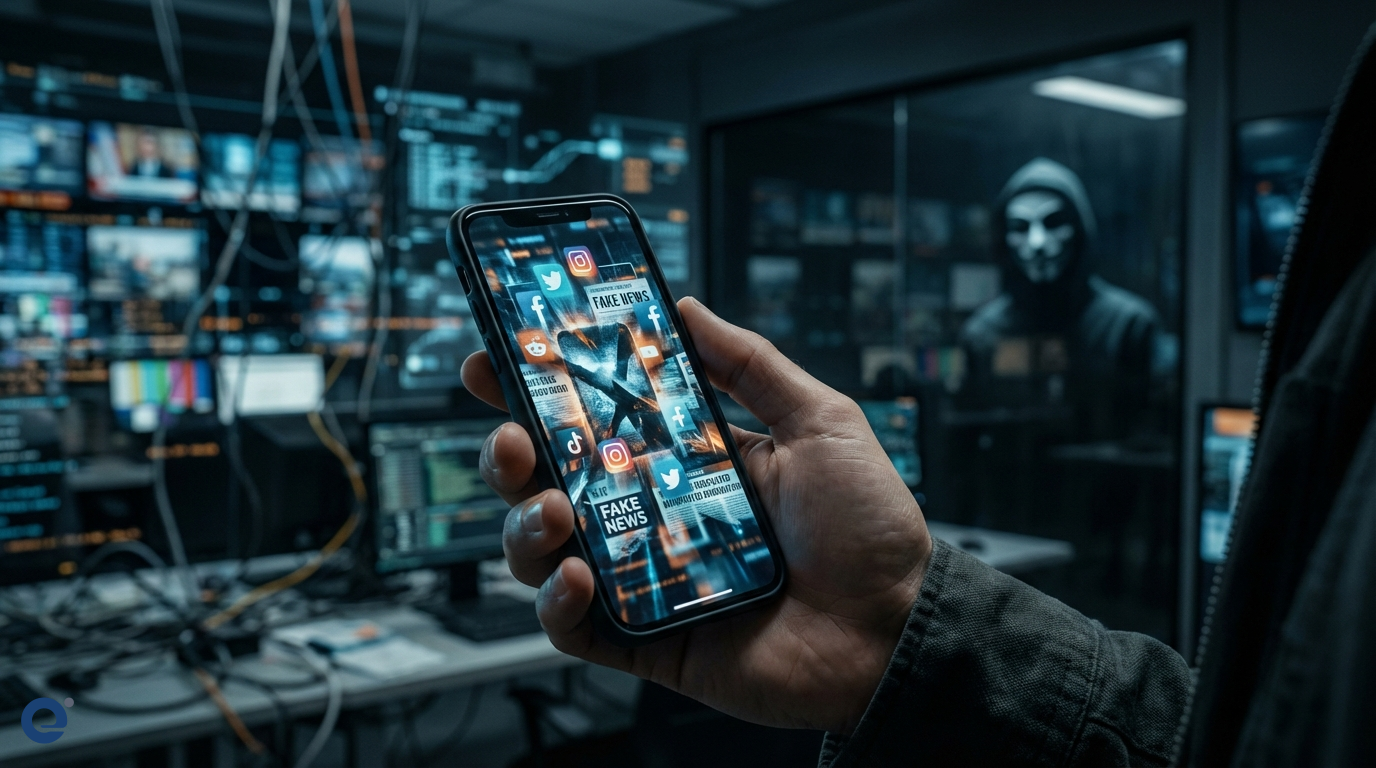
Communication is a powerful tool. It connects us, informs us, and drives societal change. However, when wielded unethically, it transforms into “dirty media,” a force capable of causing immense harm. This dark side of communication thrives on manipulation, falsehoods, and malicious intent, posing a significant threat to individuals and society as a whole.
Understanding “dirty media”
“Dirty media” refers to the deliberate creation and dissemination of false, misleading, or harmful information through various communication channels. It’s not just about occasional errors; it often involves organized campaigns with specific goals, such as defaming individuals, damaging competitors, or manipulating public opinion for political or economic gain. As one source notes, it’s like using a knife for robbery instead of cooking (a tool for harm).
The rise of the internet, social media platforms, and instant messaging has provided fertile ground for dirty media to flourish. Information, both true and false, can spread with unprecedented speed and reach, often bypassing traditional gatekeepers like established news organizations. This creates an environment where malicious actors can easily inject their narratives into the public discourse.
The ecosystem of manipulation
The ecosystem of dirty media is complex. It involves individuals seeking notoriety or revenge, interest groups pushing agendas, businesses engaging in unfair competition, and even state-sponsored actors aiming to destabilize other nations or control their own populations. These actors may employ a range of tactics, from creating fake social media profiles and websites to using bots and trolls to amplify their messages and attack dissenters.
They often exploit genuine grievances or tap into existing societal divisions, using emotionally charged language and sensationalism to capture attention and bypass rational thought. The goal is to create an alternative reality where their narrative, however false, becomes accepted by a significant portion of the audience.
The insidious tactics of dirty media
Dirty media campaigns employ a variety of deceptive tactics. One common method is the spread of disinformation[1] and misinformation. Disinformation is deliberately false information spread to deceive, while misinformation is false information spread regardless of intent. Both can have devastating consequences.
Another tactic is the use of ad hominem attacks, character assassination, and smear campaigns targeting individuals or organizations. By discrediting the source, perpetrators aim to invalidate their message or actions, regardless of the truth. This often involves taking information out of context, fabricating stories, or exaggerating minor flaws.

The creation of echo chambers[2] and filter bubbles on social media platforms also contributes to the problem. Algorithms designed to show users content they are likely to engage with can inadvertently isolate them within ideological silos, making them more susceptible to manipulation and less exposed to differing perspectives.
Exploiting emotions and biases
Dirty media often plays on strong emotions like fear, anger, and outrage. By triggering these emotions, manipulators can bypass critical thinking and encourage impulsive reactions, such as sharing false information without verification. Cognitive biases, such as confirmation bias (the tendency to favor information that confirms pre-existing beliefs), are also heavily exploited.
Sensationalism and clickbait headlines are used to draw attention, even if the content itself is misleading or lacks substance. The primary goal is often engagement and spread, rather than accuracy or truth.
The devastating impact on individuals and society
The consequences of dirty media are far-reaching. For individuals, being the target of a smear campaign can lead to reputational damage, loss of employment, social isolation, and severe mental health issues, including anxiety and depression. The constant barrage of negativity and falsehoods can also erode trust in others and in institutions.
On a societal level, dirty media can fuel polarization, incite hatred and violence, and undermine democratic processes. When people cannot agree on basic facts, it becomes difficult to have constructive dialogue or address pressing social issues. Trust in legitimate news sources and public institutions is also a casualty, as the lines between truth and falsehood become increasingly blurred.
Erosion of trust
One of the most significant impacts is the erosion of public trust. When misinformation and disinformation are rampant, people become skeptical of all information sources, including credible journalism and official communications. This can have serious consequences, particularly during crises like public health emergencies or natural disasters, where timely and accurate information is crucial.
Dirty media in the political arena
Politics has become a major battleground for dirty media. Campaigns may use it to attack opponents, spread false narratives about their policies, or even interfere with the electoral process. The 2016 US presidential election is often cited as a prime example, with allegations of foreign interference and the widespread use of social media to spread divisive and false content.
The FBI has also warned about the use of deepfakes[3] and other AI-generated content to mislead voters in subsequent elections, highlighting the evolving nature of the threat (a serious threat to democracy). By creating realistic but fake videos or audio, malicious actors can put words in politicians’ mouths or depict them in compromising situations, further inflaming tensions and deceiving the public.
Undermining democracy
The spread of disinformation about electoral processes, such as false claims of widespread voter fraud, can undermine faith in democratic institutions and even lead to unrest. When a significant portion of the population believes an election was illegitimate based on false information, it erodes the peaceful transfer of power and the stability of the system.
Dirty media in the business world
The corporate world is not immune to dirty media. Unscrupulous businesses may use it to spread false rumors about competitors, damage their reputation, or manipulate stock prices. This can involve creating fake reviews, planting negative stories in the media, or launching covert social media campaigns.
Such tactics not only harm the targeted businesses but also mislead consumers and distort the market. Fair competition is undermined when success is based on deception rather than the quality of products or services.
The COVID-19 “infodemic”: A stark example
The COVID-19 pandemic was accompanied by what the World Health Organization termed an “infodemic”[4] – an overwhelming flood of information, including rampant misinformation and disinformation about the virus, its origins, treatments, and vaccines. False claims, such as 5G causing COVID-19 or vaccines containing microchips, spread rapidly on social media, leading to vaccine hesitancy and the rejection of public health measures.
This infodemic had real-world consequences, hindering efforts to control the pandemic and costing lives. It demonstrated the danger of dirty media in a public health crisis, where accurate information is vital.
The role of technology: A double-edged sword
Technology, particularly social media platforms and AI, plays a crucial role in the spread of dirty media. Algorithms designed to maximize engagement can inadvertently promote sensational and false content because it often generates more clicks and shares. The speed and scale of these platforms allow misinformation to go viral before it can be effectively debunked.
AI tools, while offering many benefits, can also be used to create highly realistic deepfakes or generate large volumes of convincing but false text, making it harder to distinguish truth from fiction. The development of tools like ChatGPT and other large language models presents new challenges in controlling the spread of AI-generated disinformation (new communication technologies).
Fighting back: Countermeasures and solutions
Combating dirty media requires a multi-faceted approach involving governments, technology companies, media organizations, educators, and individuals.
Legal and regulatory frameworks
Governments can play a role by enacting and enforcing laws against defamation, the incitement of hatred, and the deliberate spread of disinformation that harms public interest, while carefully balancing these with the protection of free speech. However, there is a fine line between regulating harmful content and suppressing legitimate expression.
Platform responsibility
Social media companies and tech platforms have a significant responsibility to address the spread of dirty media on their sites. This includes investing in content moderation, improving algorithms to down-rank or remove false information, increasing transparency about how content is promoted, and collaborating with fact-checkers. They also need to be more proactive in identifying and removing fake accounts and bot networks.
Media literacy and education
Promoting media literacy[5] is crucial. Educating citizens, starting from a young age, on how to critically evaluate information, identify biases, recognize manipulative tactics, and understand the workings of online platforms can build resilience against dirty media. Critical thinking skills are the first line of defense.
Fact-checking and debunking
Independent fact-checking organizations play a vital role in identifying and debunking false claims. Supporting and promoting their work can help to limit the spread of misinformation. However, the sheer volume of false content makes it a challenging task.
Promoting quality journalism
A strong, independent, and ethical press is essential as a counterweight to dirty media. Supporting quality journalism that adheres to standards of accuracy, fairness, and verification helps ensure the public has access to reliable information.
The way forward
The dark side of media, fueled by unethical communication practices, is a complex and evolving challenge. It preys on our vulnerabilities and exploits the very technologies designed to connect us. While there are no easy solutions, a combination of legal measures, platform responsibility, enhanced media literacy, and a commitment to truth and ethical communication can help mitigate its harmful effects. It requires a collective effort to foster an information environment where truth can prevail over falsehood, and constructive dialogue can overcome manipulation.
More Information
- Disinformation: Deliberately false or inaccurate information that is spread with the intention to deceive people or manipulate public opinion. It is distinct from misinformation, which may be spread unintentionally.
- Echo chambers: Environments, especially online, where a person encounters only beliefs or opinions that coincide with their own, so their existing views are reinforced and alternative ideas are not considered.
- Deepfakes: Synthetic media (videos or audio recordings) in which a person’s likeness or voice is replaced with someone else’s using artificial intelligence, making it appear as if they said or did something they did not.
- Infodemic: An excessive amount of information about a problem, which is typically unreliable, spreads rapidly, and makes a solution more difficult to achieve. The term gained prominence during the COVID-19 pandemic.
- Media literacy: The ability to access, analyze, evaluate, create, and act using all forms of communication. It empowers individuals to be critical thinkers and makers, effective communicators and active citizens.