
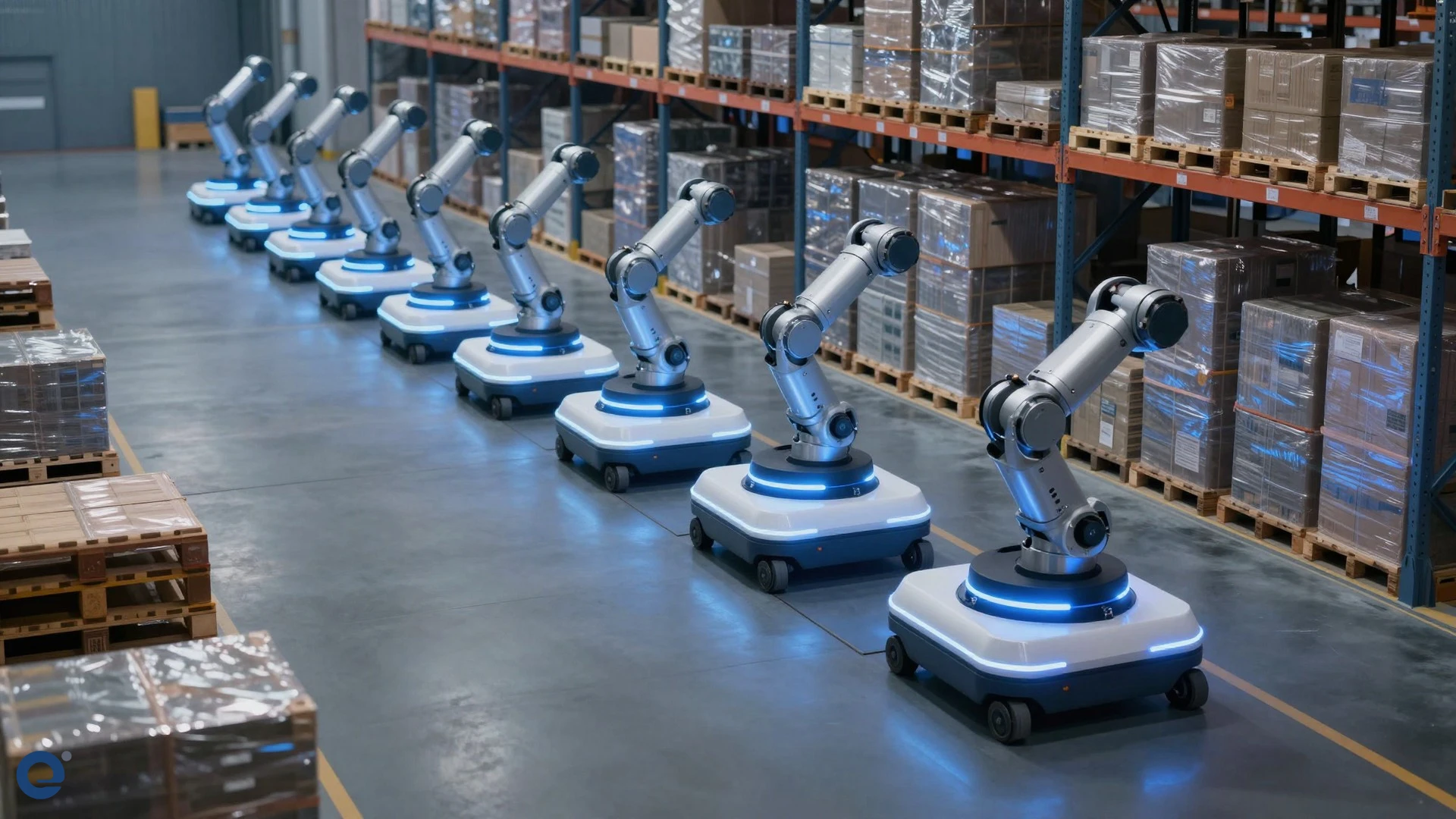
A logistics director in a major industrial hub wakes to a notification: a critical component supplier has suffered a catastrophic failure. In the past, this triggered hours of frantic phone calls and manual spreadsheet updates. Today, an integrated AI system automatically reroutes production schedules and identifies secondary suppliers within seconds. This is not a distant vision; it is the current standard for industry leaders who have successfully moved past the hype cycle of artificial intelligence.
However, many organizations remain trapped in a cycle of disappointment, mistakenly believing that purchasing expensive software is synonymous with digital transformation. The reality is more nuanced: AI is not a magic wand that fixes broken processes. If your underlying data is fragmented and your operational workflows are archaic, AI will simply accelerate your existing mistakes. To achieve true optimization, leaders must shift their focus from the tool itself to the systemic architecture that supports it [2].
Why more automation can lead to slower decisions
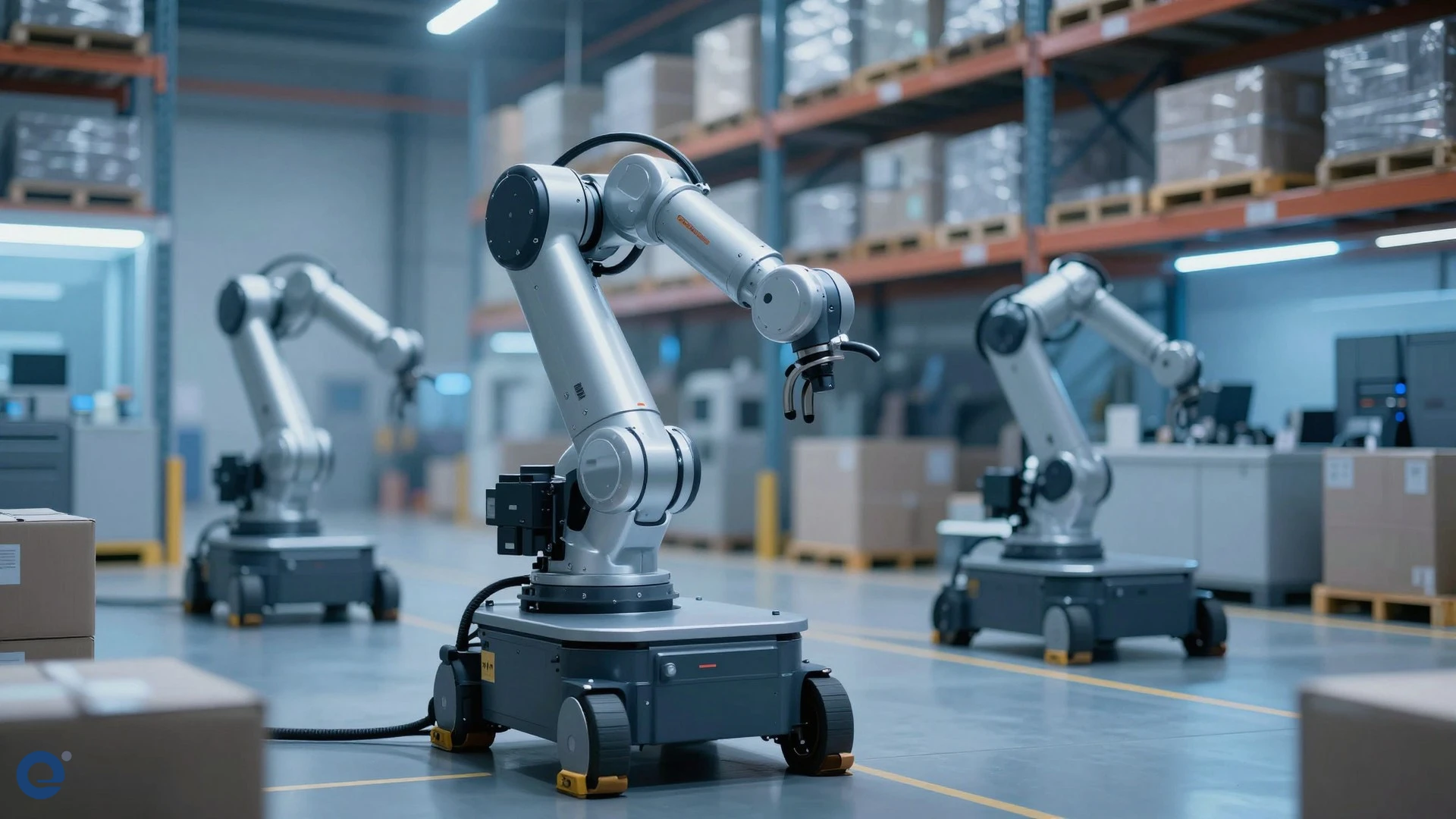
The allure of "total automation" often blinds executives to the risks of over-engineering. When a supply chain becomes too dependent on automated black-box algorithms, visibility into the decision-making process often evaporates. This creates a paradox where the system is faster at executing tasks, but the organization becomes slower at responding to novel, high-impact disruptions that the AI has never encountered before.
The most successful companies view technology as a foundation, not a replacement for human strategy [3]. By treating logistics as a core capability rather than a back-office function, firms can integrate AI into a broader digital transformation strategy that prioritizes data integrity. Without clean, unified data, predictive models are essentially guessing, which undermines the very resilience they are intended to provide.
The critical distinction between digitizing and transforming
There is a fundamental difference between applying digital tools and achieving a full-scale digital transformation. Many firms fall into the trap of applying isolated solutions to minor pain points, such as automated invoicing or simple load tracking. While these improve efficiency in silos, they fail to address the systemic complexity of the modern global supply chain [4].
True transformation requires a fundamental shift from manual or semi-automated methods to a data-driven operational model. EON Tech has helped various partners navigate this transition by emphasizing that the technology layer must be built upon a robust, standardized process foundation. Organizations that skip this foundational step often find themselves overwhelmed by the complexity of the very systems they purchased to simplify their operations.
Myth versus reality in AI implementation
To navigate the current market noise, leaders must distinguish between marketing promises and operational reality. Below is a breakdown of common misconceptions versus the evidence-based perspective.
- Myth: AI is a plug-and-play solution. Reality: AI requires extensive data cleaning and process standardization before it can deliver reliable insights.
- Myth: AI replaces the need for human expertise. Reality: AI augments human decision-making by handling high-volume data analysis, leaving strategic judgment to experts [1].
- Myth: More data is always better. Reality: Data quality and relevance are far more important than raw volume for accurate forecasting.
The strategic framework for inventory optimization
Inventory management is perhaps the most sensitive area for AI intervention. Traditional models often rely on historical averages, which fail during periods of high volatility. AI-driven systems, by contrast, analyze real-time market trends, seasonal fluctuations, and external logistics constraints to provide a dynamic view of inventory needs [3].
For a supply chain director, the goal should be to move toward an integrated business planning approach. This replaces department-specific performance metrics with a global optimization strategy. By aligning sales, operations, and procurement through a single source of truth, companies can reduce operational costs by 10-20% while significantly improving forecast accuracy [1].
Addressing the talent and infrastructure gap
Technological implementation is only one side of the coin. The other is the human and infrastructural capacity to sustain it. In many emerging markets, the primary bottleneck is not the sophistication of the algorithm but the lack of high-quality, real-time data from local infrastructure partners [5].
Leaders must invest in training their teams to interpret AI outputs rather than blindly following them. This requires a shift in organizational culture toward data literacy. When staff understand the logic behind an AI-generated suggestion, they are better equipped to identify when the system is operating outside of its intended parameters. This human-in-the-loop approach is the hallmark of a mature, resilient supply chain organization.
A decision framework for logistics leaders
Before committing to a new AI initiative, directors should evaluate their readiness using the following criteria:
- Data hygiene: Is our data standardized, accessible, and accurate across all departments?
- Process maturity: Have we optimized our manual processes before attempting to automate them?
- Strategic alignment: Does this AI application solve a specific, high-impact business problem or just add complexity?
- Change management: Do we have the internal talent to manage, monitor, and refine these systems over time?
If the answer to any of these is "no," the priority should be to address the foundation before scaling the technology. Rushing into AI implementation without these pillars often leads to "technical debt," where the cost of maintaining the system exceeds the value it provides to the organization.
The path forward: building for long-term adaptability
The future of supply chain management is not about finding the most sophisticated algorithm; it is about building the most adaptable system. As global markets continue to face unpredictable disruptions, the ability to pivot rapidly is the ultimate competitive advantage. AI should be viewed as the nervous system of the organization—it provides the signals, but the organization must have the muscle to act on them.
By focusing on transparency, data integrity, and cross-departmental integration, leaders can create a supply chain that is not just efficient, but inherently resilient. This requires the courage to say "no" to shiny, unproven tools and "yes" to the hard, often invisible work of organizational alignment. In the long run, this disciplined approach will differentiate the industry leaders from those who remain perpetually stuck in the pilot phase of their digital journey.
More Information
- Artificial Intelligence (AI): A field of computer science focused on creating systems capable of performing tasks that typically require human intelligence, such as predictive forecasting, pattern recognition, and complex decision-making in logistics [1].
- Digital transformation: The comprehensive integration of digital technology into all areas of a business, fundamentally changing how organizations operate and deliver value to their customers and stakeholders [2].
- Smart logistics: A logistics model that utilizes advanced technologies like AI, IoT, and Big Data to optimize operations, reduce costs, and improve service quality through real-time visibility and automated decision-making [3].
- Integrated business planning (IBP): An advanced management process that aligns a company's strategic, financial, and operational plans, moving beyond traditional sales and operations planning to optimize value across the entire organization [4].
- Supply chain resilience: The ability of a supply chain to anticipate, respond to, and recover from disruptions, ensuring continuity of operations despite external shocks like logistics failures or supply shortages [5].


