
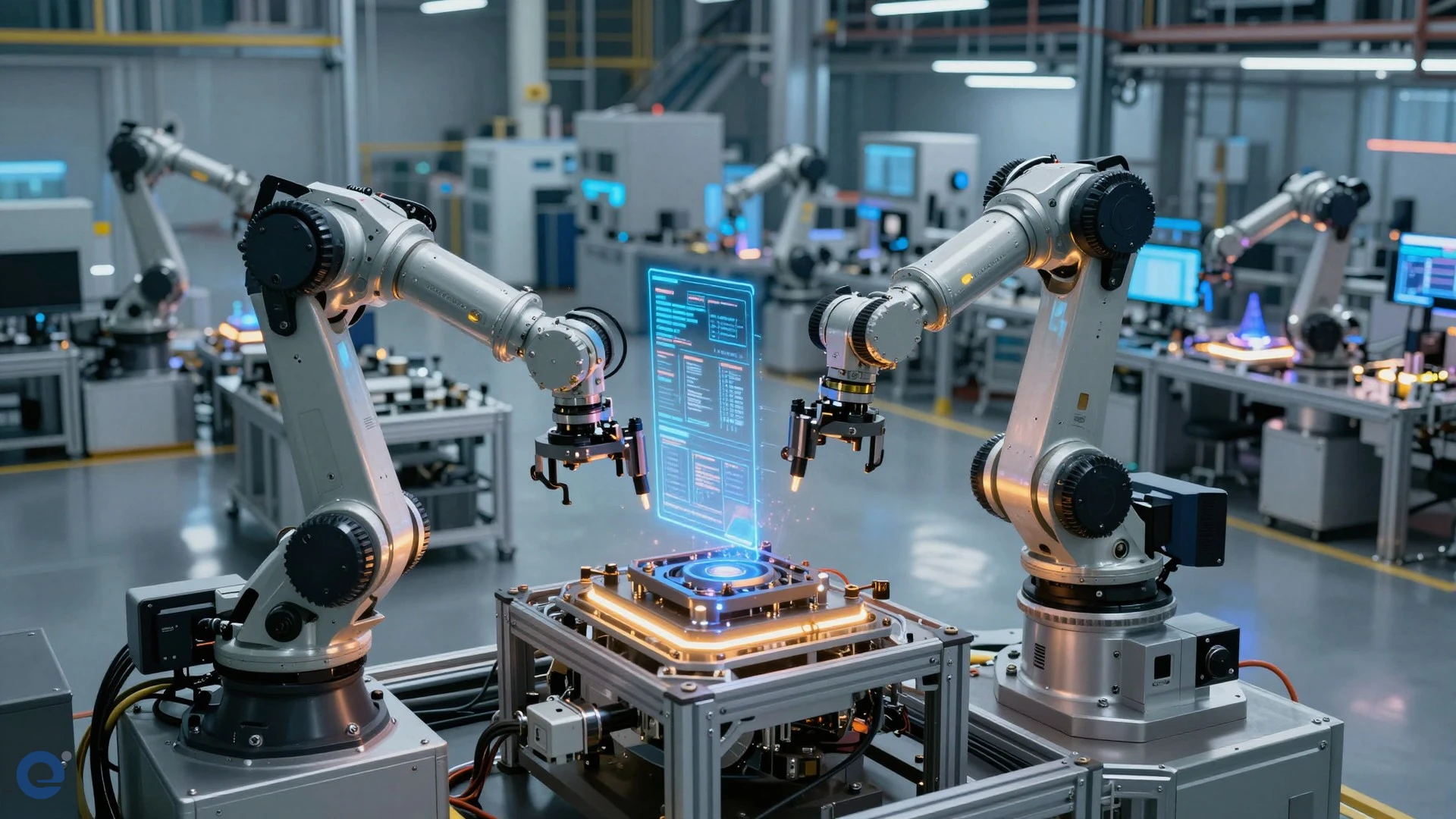
A production manager stands on the factory floor, watching a robotic arm repeat the same motion for the ten-thousandth time. The dashboard shows a green light, indicating 98% efficiency. Yet, the facility is struggling with a 5% scrap rate that no one can explain. The common assumption is that adding more sensors and a layer of machine learning will solve the bottleneck. This is the "automation trap."
Many leaders believe that artificial intelligence is a plug-and-play solution for performance issues. In reality, AI is not a magic wand for broken processes. It is a powerful lens that reveals existing inefficiencies rather than fixing them by default. This article argues that successful AI integration requires a fundamental shift from viewing technology as a replacement for labor to viewing it as a diagnostic tool for system-wide optimization.
Why the "automation first" mindset fails
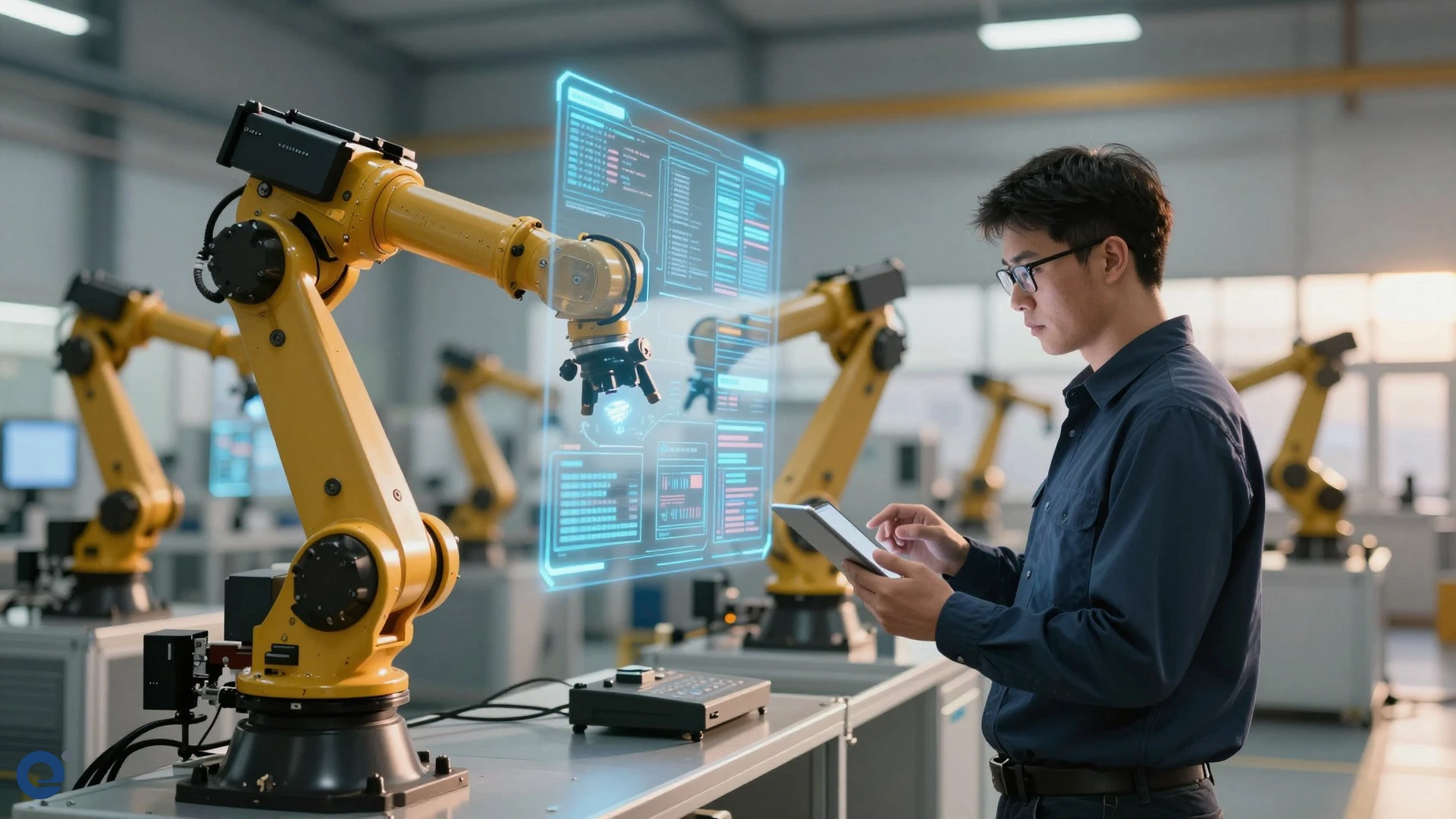
The prevailing myth in industrial circles is that automation equals intelligence. Companies often rush to deploy robotics to replace repetitive tasks without first auditing their data architecture. If the underlying process is flawed, AI simply automates the production of errors at a faster rate [1].
Industrial engineers must recognize that AI thrives on high-quality, structured data. Without a clean data pipeline, the most sophisticated algorithms will produce "garbage in, garbage out" results. The true value of AI lies in its ability to analyze variables that human operators cannot process simultaneously. For instance, modern smart factories use these insights to predict market shifts before they impact the supply chain [2].
Myth versus reality in predictive maintenance
A common misconception is that predictive maintenance can eliminate all downtime. While AI can certainly identify patterns leading to equipment failure, it cannot account for external supply chain disruptions or sudden power fluctuations. The reality is that predictive maintenance is a risk-mitigation strategy, not a guarantee of 100% uptime.
- Myth: AI predicts every failure with 100% accuracy.
- Reality: AI provides probabilistic alerts that require human expertise to interpret and act upon.
- Myth: Predictive maintenance replaces the need for scheduled check-ups.
- Reality: AI optimizes the schedule, reducing unnecessary maintenance while catching hidden wear-and-tear [3].
The hidden cost of data silos
Many production facilities suffer from fragmented data. The warehouse management system does not "talk" to the quality control software. This lack of connectivity is the primary barrier to effective AI implementation. When data is trapped in silos, the AI model lacks the context needed to make holistic decisions. EON Tech has observed that companies achieving the highest ROI are those that prioritize data integration before deploying advanced machine learning models.
To break these silos, leadership must foster cross-departmental collaboration. Engineering teams need to work alongside IT departments to ensure that data flows seamlessly across the entire value chain. As noted in recent industry studies on AI adoption, companies that fail to bridge these gaps often find themselves stuck in a pilot phase that never scales [4].
Decision checklist for AI implementation
Before investing in new AI tools, production managers should evaluate their readiness using this framework:
- Data readiness: Is the data clean, accessible, and labeled?
- Problem definition: Are you solving a specific, measurable bottleneck?
- Human-in-the-loop: Do your operators have the skills to interpret AI-generated insights?
- Scalability: Can the solution be deployed across multiple lines or is it limited to one machine?
- Sustainability: Does the solution contribute to energy efficiency or resource optimization [5]?
The role of AI in sustainable manufacturing
Sustainability is no longer a peripheral goal; it is a core operational requirement. AI allows factories to monitor energy consumption in real-time, identifying spikes that indicate inefficient machine operation. By adjusting parameters dynamically, AI helps reduce the carbon footprint of industrial processes. This shift toward "green manufacturing" is becoming a competitive advantage in global markets where environmental regulations are tightening.
Furthermore, mastering agentic AI within the factory allows for autonomous adjustments that humans might miss. These systems can throttle energy usage during peak demand hours without sacrificing output quality. It is a strategic move that aligns operational efficiency with corporate responsibility.
Navigating the talent gap
Technology is only half the battle. The other half is human capital. There is a significant shortage of professionals who understand both industrial engineering and data science. Organizations must invest in upskilling their current workforce rather than relying solely on external hires. A production manager who understands the basics of machine learning can better communicate with data scientists, leading to more practical and effective deployments.
Training programs should focus on "AI literacy." This does not mean teaching every worker to code. Instead, it means helping them understand how to interact with AI dashboards, how to validate model outputs, and how to report anomalies. When the workforce trusts the technology, adoption rates increase significantly.
The future of the self-optimizing factory
We are moving toward a future where factories are not just automated, but self-optimizing. In this environment, the AI system continuously learns from every production cycle, refining its own parameters to maximize efficiency. However, this level of autonomy requires a robust safety foundation. As we build the architecture of risk, we must ensure that human oversight remains the final authority in critical decision-making processes.
The journey toward Industry 4.0 is not a sprint. It is a methodical, data-driven evolution. By focusing on foundational data quality, cross-functional collaboration, and continuous workforce development, industrial leaders can harness the true power of AI to drive long-term growth and resilience in an increasingly competitive global landscape.
More Information
- Predictive maintenance: A strategy that uses data analysis and machine learning to predict equipment failures before they occur, allowing for timely repairs and reduced downtime.
- Smart factory: A highly digitized and connected manufacturing facility that uses AI, IoT, and real-time data to optimize production processes and supply chain logistics.
- Computer vision: An AI field that enables computers to interpret and make decisions based on visual data, widely used in automated quality inspection to detect product defects.
- Data silos: Isolated repositories of data that are not accessible by other parts of an organization, hindering the ability to gain comprehensive insights and make informed decisions.
- Industry 4.0: The fourth industrial revolution, characterized by the integration of smart technology, AI, and data-driven systems into manufacturing and industrial processes.


