
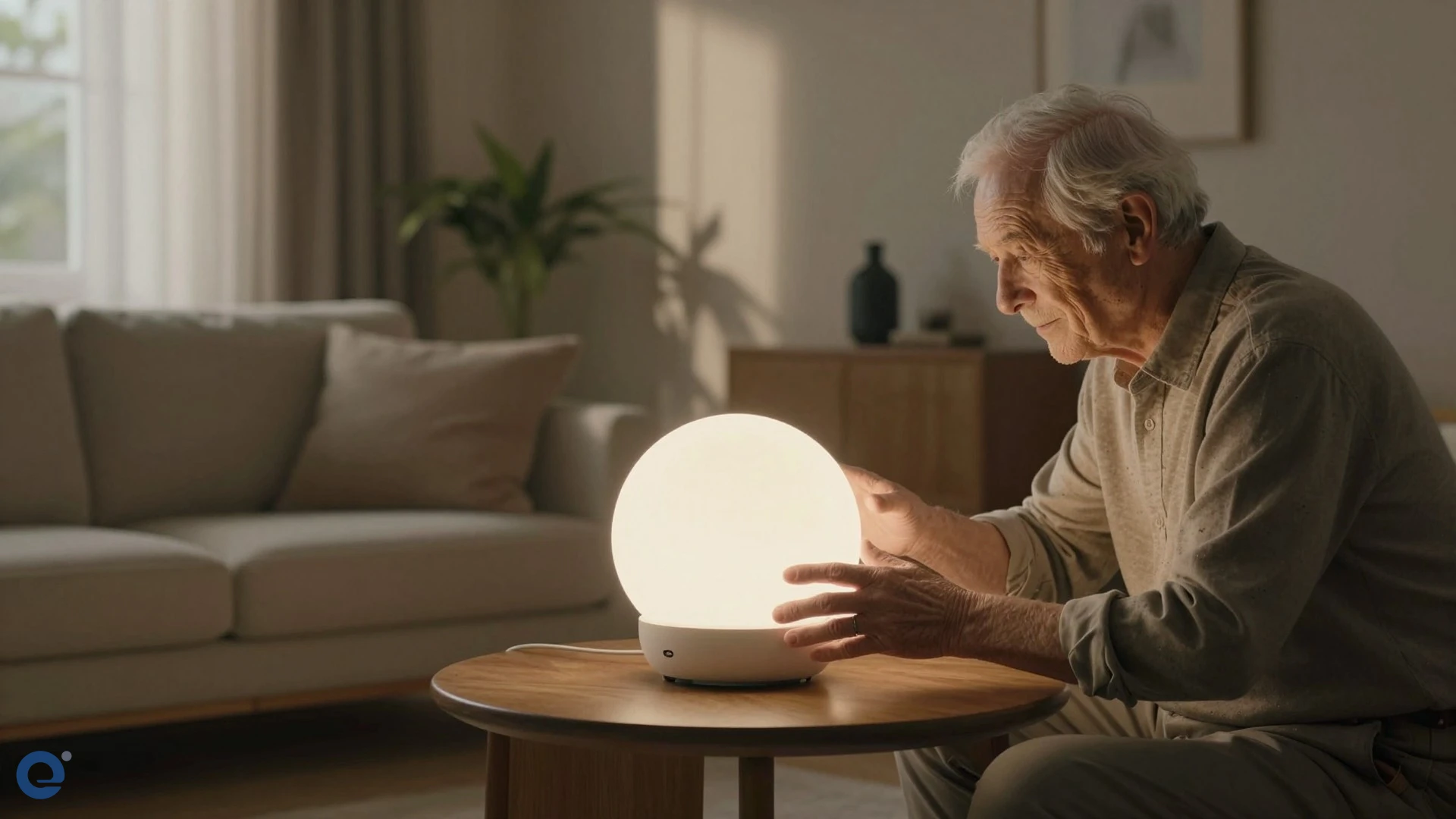
Memory impairment is often viewed through the lens of decline, focusing on what is lost rather than what can be sustained. This perspective creates a passive care model that prioritizes safety over autonomy. However, the true potential of artificial intelligence (AI) lies in its ability to serve as a cognitive bridge, enabling individuals to maintain independence by augmenting their existing capabilities [1].
Healthcare providers must shift their focus from purely diagnostic or custodial care toward proactive cognitive augmentation. By integrating AI-enhanced tools into daily routines, clinicians can offer personalized support that adapts to the specific cognitive profile of each patient. This approach does not merely compensate for memory loss; it actively facilitates task execution and communication [3].

Moving beyond static feedback mechanisms
Traditional cognitive rehabilitation often relies on static, preprogrammed interventions that fail to evolve with the patient. These systems are limited by their inability to adjust to the fluctuating nature of cognitive decline. AI-driven digital therapeutics change this dynamic by providing real-time, adaptive feedback [4].
The transition from static to dynamic support is essential for long-term efficacy. When algorithms learn from user interaction, they provide prompts that are contextually relevant rather than generic. This personalization is a cornerstone of modern care, ensuring that assistance is delivered exactly when and where it is needed most.
The framework for cognitive augmentation
Effective AI integration requires a multi-layered framework that prioritizes human-machine collaboration. We must consider the severity of impairments and the specific cognitive profiles of our patients to ensure that technology remains a tool for empowerment rather than a source of frustration. EON Tech has pioneered several adaptive systems that demonstrate how machine learning can successfully personalize task management for those with varying levels of cognitive struggle.
Consider the following components of an effective AI-supported care strategy:
- Adaptive task sequencing: AI breaks complex daily activities into manageable, sequential steps based on real-time user performance.
- Context-aware communication: Systems use natural language processing to simplify information, helping individuals navigate social interactions with greater ease [3].
- Environmental monitoring: Wearable devices and smart sensors identify patterns, alerting caregivers only when significant deviations occur.
Addressing the digital divide in geriatric care
A significant barrier to the widespread adoption of AI is the assumption that vulnerable populations cannot or will not engage with new technology. This is a profound misconception. Research indicates that when design is user-friendly and affordable, technology becomes a vital bridge for integration [1]. We must actively work to narrow the gap so that no one is left behind in the digital age [5].
Gerontologists should advocate for inclusive design standards that prioritize accessibility. If we treat technology as a luxury rather than a fundamental component of care, we limit the potential for independence. The goal is to make these tools as intuitive as possible, reducing the cognitive load required to operate them.
Balancing innovation with ethical responsibility
While the promise of AI is immense, it brings significant challenges regarding data privacy and algorithmic bias. Healthcare providers must remain vigilant, ensuring that the systems they deploy are transparent and secure. We cannot allow the drive for efficiency to compromise the dignity or privacy of the individuals we serve [4].
A balanced approach requires rigorous evaluation of AI ethics in AIOps and other operational frameworks. We must ask: Does this tool enhance the patient's agency, or does it merely automate their compliance? The answer to this question determines whether an intervention is truly therapeutic.
Practical decision framework for clinicians
To implement AI successfully, clinicians should follow a structured evaluation process. This ensures that the chosen technology aligns with the patient's specific needs and the clinical environment.
- Assessment of cognitive baseline: Identify the specific domains of memory or executive function that require the most support.
- Usability testing: Evaluate whether the interface accommodates the physical and cognitive limitations of the patient.
- Integration with existing care plans: Ensure that digital tools complement, rather than replace, traditional therapeutic relationships.
- Continuous monitoring: Regularly review performance data to determine if the AI's adaptive learning is effectively meeting the patient's evolving needs [4].
The future of personalized cognitive support
The future of geriatric care will likely be defined by the seamless integration of AI into the home environment. As we move forward, the focus must remain on scalability and accessibility. We have the opportunity to transform the experience of aging by ensuring that cognitive impairments do not equate to a loss of social or personal agency [5].
By adopting a "future-back" approach, we can identify the necessary steps to build a more inclusive society today. This means investing in interdisciplinary research and fostering collaborations between technologists, clinicians, and patients. The path to better care is not found in technology alone, but in the thoughtful application of technology to serve humanity [1].
More Information
- Cognitive augmentation: The use of technology to enhance human cognitive performance, helping individuals with memory or processing impairments to navigate daily life and maintain independence [3].
- Digital therapeutics: Evidence-based software interventions driven by high-quality software programs to prevent, manage, or treat a broad spectrum of physical, mental, and behavioral health conditions [4].
- Adaptive learning systems: Educational or therapeutic platforms that use AI to customize the pace and style of content delivery based on the user's real-time performance and cognitive needs [4].
- Assistive technology: Any item, piece of equipment, or product system, whether acquired commercially, modified, or customized, that is used to increase, maintain, or improve functional capabilities of individuals with disabilities [5].
- Human-machine communication: The field of study and practice involving the interaction between humans and intelligent systems, aimed at creating interfaces that facilitate easier communication for patients with motor or cognitive damage [1].