
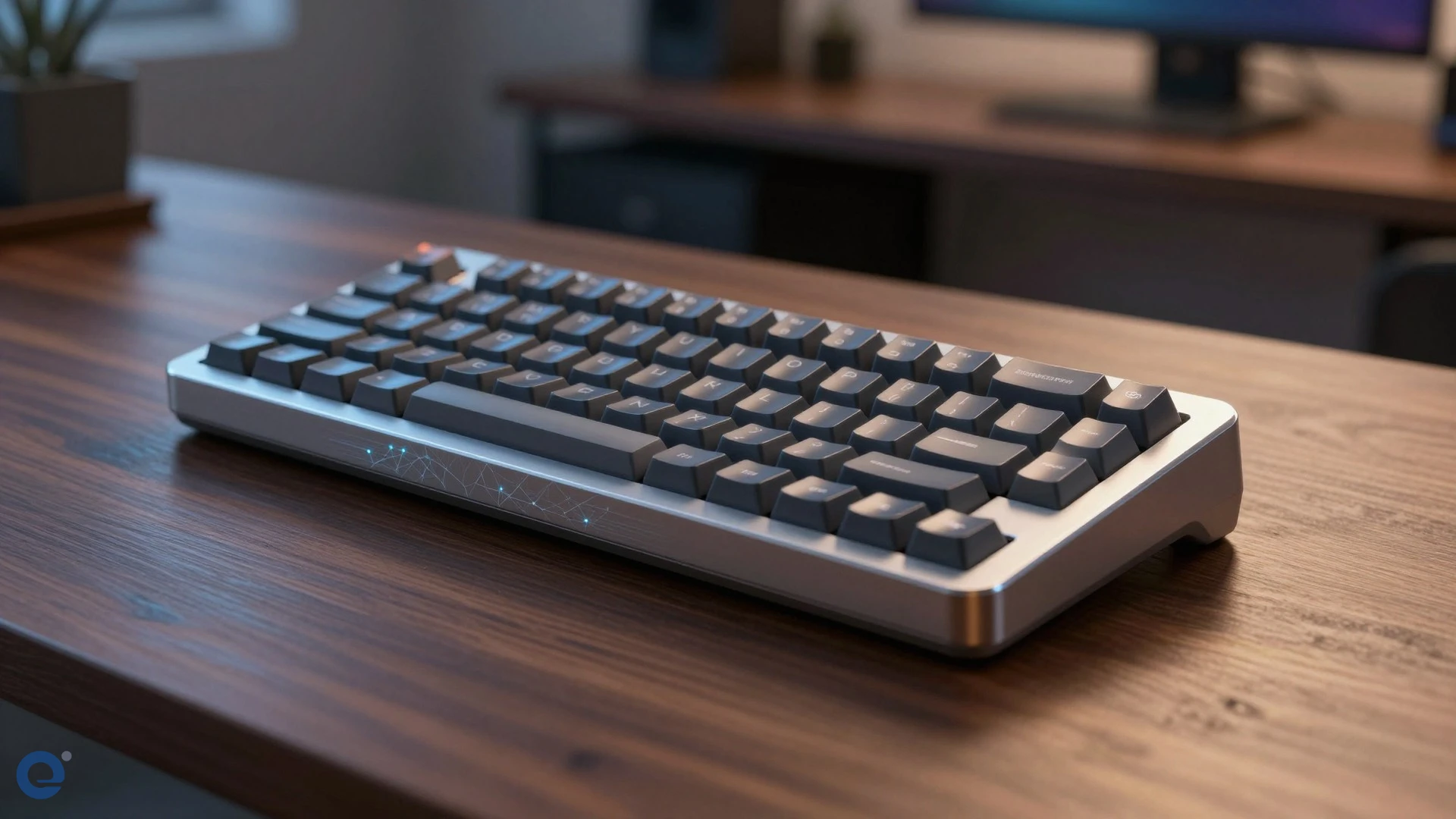
The tech industry often assumes that general-purpose devices like smartphones will remain the primary gateway for artificial intelligence. However, the recent launch of the Codex Micro suggests a fundamental pivot in how we interact with machine intelligence [1]. By moving away from screen-centric interfaces, developers are exploring hardware that functions as a dedicated command center for AI agents.
This shift represents a departure from the "everything-app" philosophy toward a more tactile, specialized experience. For software developers, this is not just another peripheral; it is a signal that the era of managing complex AI workflows through a single glass rectangle is reaching its functional limit [2].
Beyond the smartphone interface
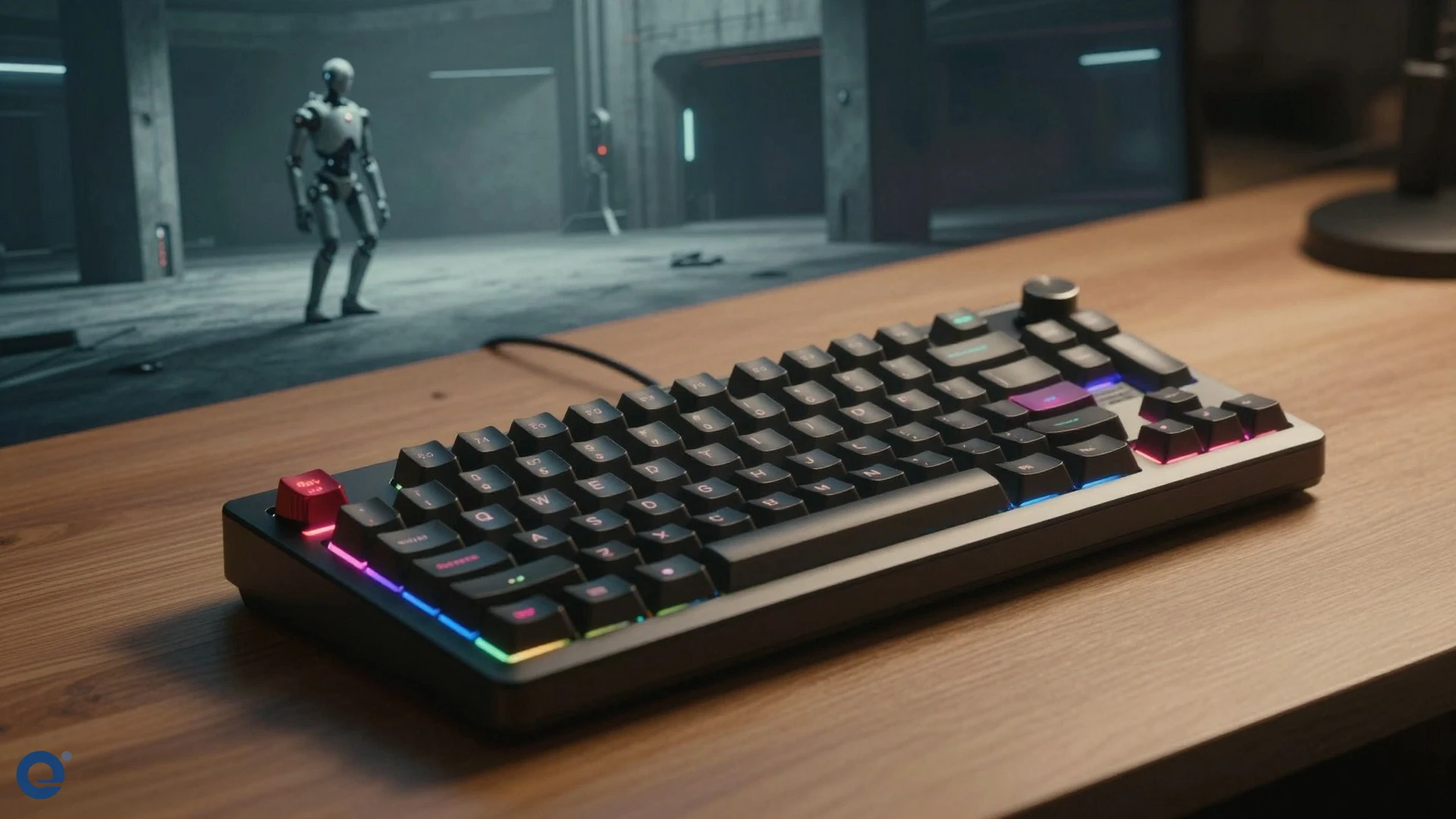
Conventional wisdom suggests that AI will eventually reside entirely within our pockets. Yet, the Codex Micro hardware challenges this by prioritizing physical control over software abstraction [3]. Instead of navigating through nested menus, developers can now use dedicated macro keys to trigger complex AI processes instantly.
This design choice creates a direct feedback loop between the user and the agent-based system. By utilizing a physical rotary knob to adjust "reasoning" levels, users gain granular control over compute resources [1]. This is a significant departure from the "black box" nature of typical AI interactions. It allows for a more intentional, resource-aware approach to coding.
The scorecard for AI-first hardware
To understand why this device matters, we must evaluate it against the requirements of modern software development. The following framework highlights the trade-offs involved in adopting specialized AI peripherals:
- Physical feedback: RGB lighting provides instant status updates, such as blue for "thinking" and red for "errors," reducing the need to monitor secondary screens [3].
- Workflow integration: The ability to map macros to specific agent tasks replaces repetitive manual input with single-click execution [2].
- Resource management: The reasoning knob allows developers to manually throttle compute power, a feature previously hidden behind complex API settings [1].
- Limited availability: As a boutique, limited-run product, it functions more as a proof-of-concept for power users than a mass-market utility [3].
While some critics dismiss this as a "flashy accessory," it serves a vital purpose for EON Tech and other organizations focused on optimizing high-intensity developer workflows. The device forces a rethink of how we allocate time and attention when working alongside autonomous agents.
Myth versus reality in AI hardware
There is a persistent myth that AI hardware must be a standalone device, like a smart speaker or a futuristic AI pin [2]. The reality is that the most effective AI tools often act as extensions of our existing, high-performance computing environments. The Codex Micro succeeds because it does not try to replace the computer; it enhances the developer's control interface[2].
Many developers initially assumed that voice control would be the primary way to manage AI agents. However, physical inputs remain superior for precision tasks where speed and accuracy are paramount. The inclusion of a joystick and tactile keys confirms that for professional coding, haptic feedback is still king.
Decision checklist for adopting agent-based peripherals
Before investing in specialized hardware for AI agent management, consider these criteria:
- Task frequency: Do you perform the same AI-driven coding tasks repeatedly? If yes, physical macros will yield a high return on investment.
- Context switching: Does your current workflow require constant toggling between code editors and AI dashboards? A physical control center can consolidate these actions.
- Resource intensity: Do you frequently need to adjust model parameters or reasoning time? If so, a dedicated knob for compute control is a functional necessity rather than a luxury [3].
- Ecosystem lock-in: Ensure the hardware supports your specific agent stack, as proprietary devices like this often have limited cross-platform flexibility [4].
The strategic shift toward controlled autonomy
The most important insight from the launch of the Codex Micro is the move toward "controlled autonomy." We are transitioning from a model where we simply send a prompt and wait for a result to one where we actively participate in the agent's reasoning process [1]. This is a critical evolution for developers who cannot afford the latency or errors associated with fully automated, unmonitored agents.
By providing a physical interface to monitor the agent's "state of mind," OpenAI is acknowledging that trust in AI is built through visibility. When the keyboard glows blue, the developer knows the agent is processing; when it turns red, they know exactly when to intervene [3]. This transparency is the missing link in current AI development environments.
Future implications for software development
We should expect to see more "input-specific" hardware designed for specialized AI tasks. As agents become more capable, the bottleneck will no longer be the intelligence of the model, but the bandwidth of the human-computer interface. The Codex Micro launch is merely the first step in this hardware-software convergence [5].
Developers who adopt these tools early will likely gain a significant edge in managing complex, multi-agent systems. The goal is not to automate the developer out of the loop, but to provide a more sophisticated cockpit for the human-AI partnership. As we move forward, the most successful tools will be those that treat the human as an active pilot rather than a passive recipient of AI-generated code.
More Information
- Codex Micro: A specialized hardware peripheral developed by OpenAI in partnership with Work Louder, featuring 13 programmable keys, a rotary knob, and a joystick for managing AI agent workflows [1].
- Agent keys: Programmable physical buttons designed to trigger specific AI agent commands, allowing developers to execute complex macros without relying solely on software-based interfaces [2].
- Reasoning control: A feature on the Codex Micro that allows users to manually adjust the time and computational power allocated to an AI agent for a specific task [3].
- AI hardware ecosystem: The emerging market of specialized physical devices designed to interact with, control, or optimize artificial intelligence agents beyond standard computing hardware [4].
- Work Louder: A design firm specializing in custom mechanical keyboards that collaborated with OpenAI to create the physical architecture of the Codex Micro [5].