
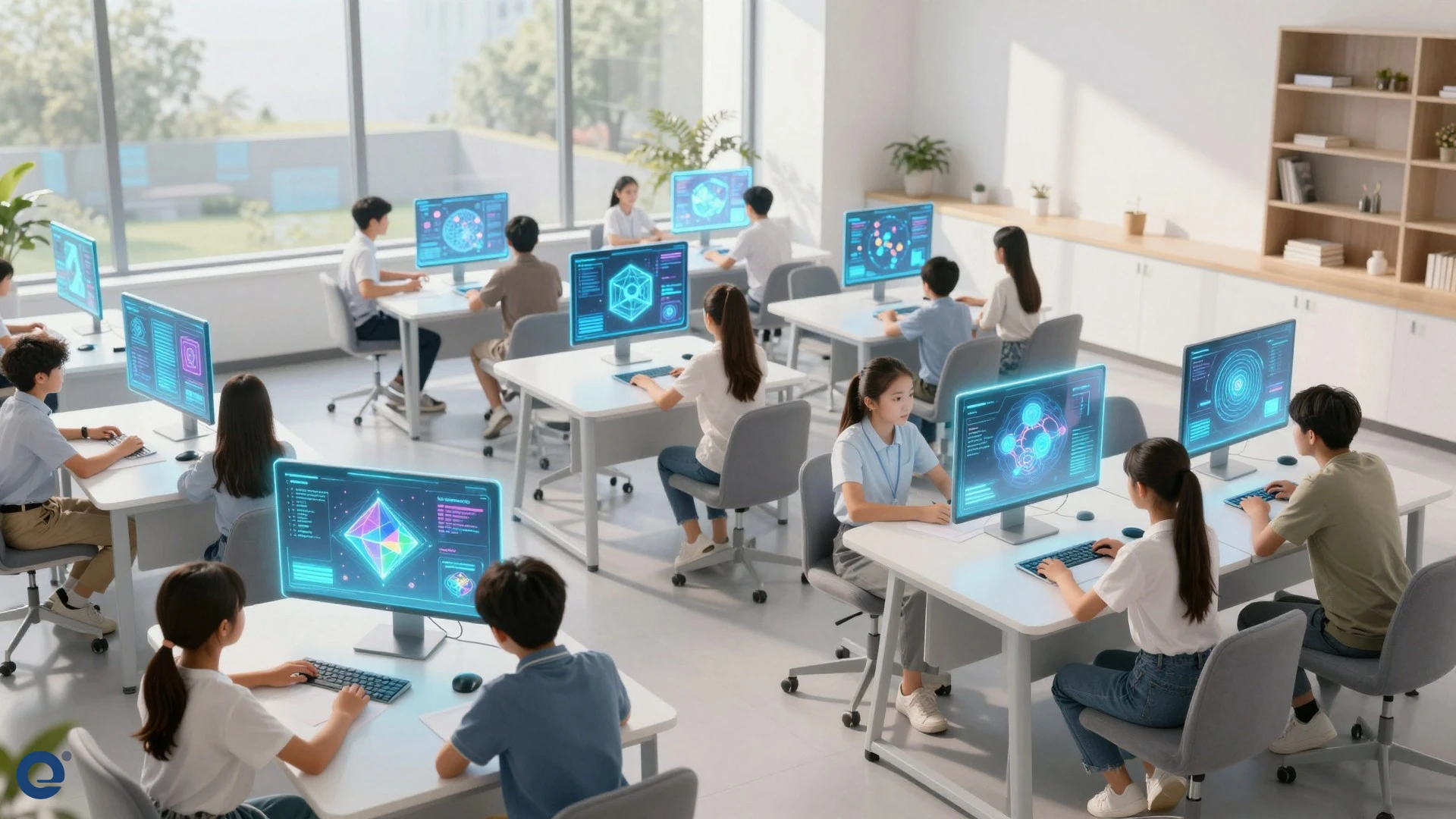
School directors and training specialists often view artificial intelligence as a magic wand for classroom engagement. The prevailing narrative suggests that once an AI platform is implemented, student performance will naturally skyrocket through automated personalization. This assumption is fundamentally flawed. It ignores the complex pedagogical shifts required to move from standardized instruction to truly adaptive learning environments.
The promise of AI-driven personalization rests on the ability to tailor content to individual student needs rather than forcing a uniform curriculum upon every learner [1]. However, the success of this transition depends less on the software itself and more on the systemic integration of digital literacy and teacher support. Without a structured framework, AI remains a peripheral tool rather than a transformative asset.
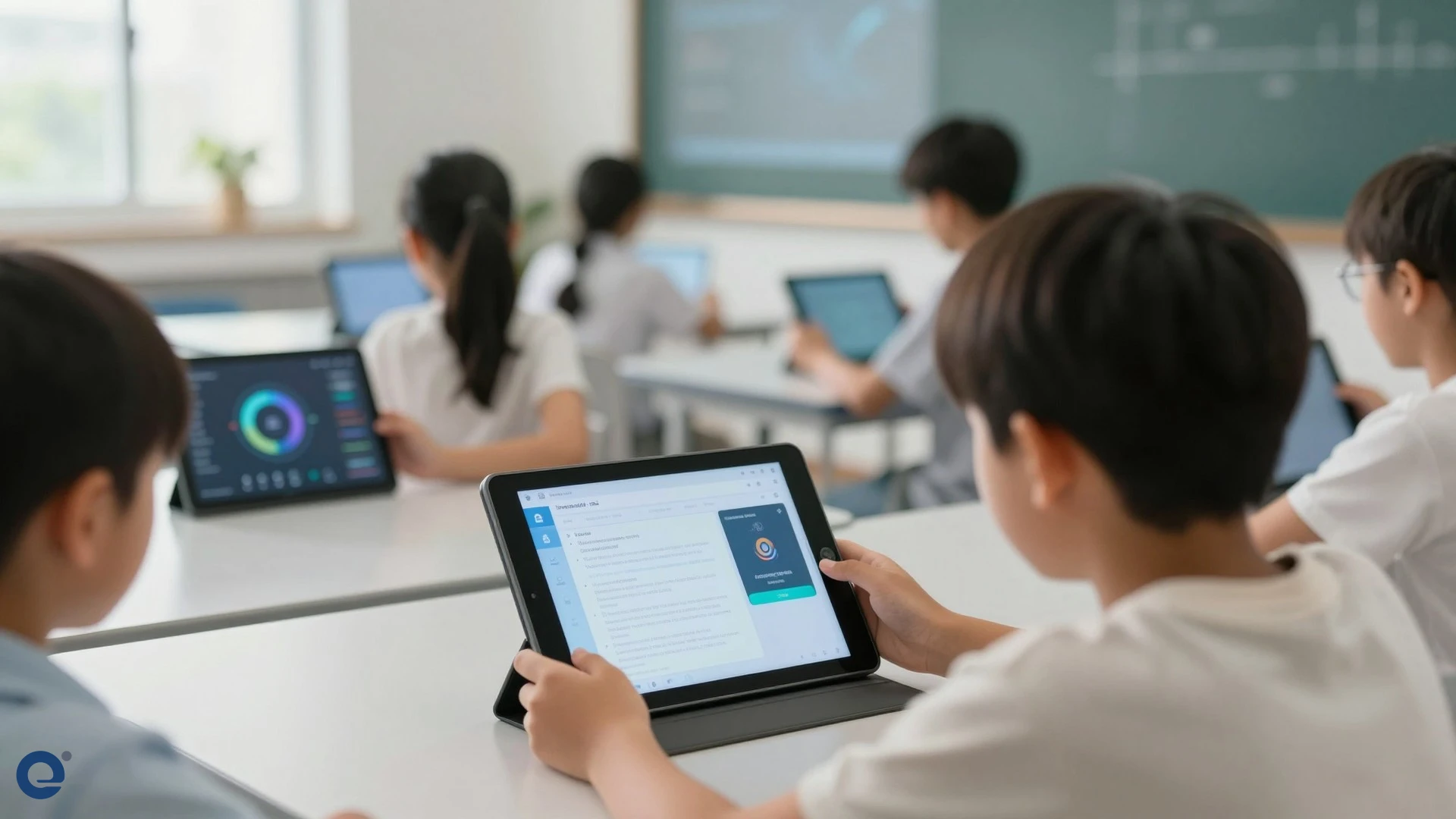
The myth of the autonomous classroom
A common misconception is that AI will eventually replace the need for human intervention in the learning process. Many administrators believe that by deploying advanced chatbots or automated grading systems, they can reduce their reliance on faculty expertise. This vision is not only unrealistic but dangerous to the educational mission.
AI acts as a force multiplier for teachers, not a substitute for their pedagogical judgment [2]. When we rely solely on algorithms to manage student progress, we lose the critical human connection that fosters emotional intelligence and critical thinking. The most effective institutions use AI to handle administrative burdens, such as grading and data analysis, allowing educators to focus on high-touch mentorship [4].
Why infrastructure must precede innovation
Strategic implementation requires a shift in how schools view their technological foundation. Many institutions rush to adopt the latest generative AI tools without first addressing the underlying data architecture or the digital competency of their staff. This creates a "digital divide" within the school itself, where only a fraction of teachers can effectively leverage the technology.
To bridge this gap, leadership must prioritize professional development over software procurement. Educators need to understand how to interpret AI-generated data to make informed decisions about curriculum adjustments [3]. If the staff cannot translate algorithmic insights into actionable teaching strategies, the investment in AI will yield diminishing returns.
The decision framework for school leaders
When evaluating new AI initiatives, directors should apply a rigorous filter to ensure the technology serves the pedagogical goal. We recommend using the following criteria to assess potential deployments:
- Pedagogical alignment: Does the tool solve a specific learning bottleneck, or is it merely an additive feature?
- Data privacy: Does the platform provide robust protections for student information in accordance with regional regulations [1]?
- Scalability: Can the solution be integrated across multiple departments without creating silos of information?
- Teacher buy-in: Does the platform include intuitive interfaces that reduce, rather than increase, the daily workload for instructors?
By focusing on these pillars, administrators can ensure that their educational technology strategy remains grounded in reality. EON Tech has observed that the most successful implementations are those that start with small, measurable pilots before attempting a full-scale institutional rollout.
Overlooked risks in automated assessment
While automation offers efficiency, it introduces significant risks regarding bias and accuracy. AI models are trained on existing datasets, which may contain historical prejudices or outdated pedagogical assumptions. If a school relies blindly on these outputs, they risk reinforcing achievement gaps rather than closing them.
Administrators must implement a "human-in-the-loop" policy for all high-stakes assessments. AI can provide recommendations, but a qualified educator should always verify the final judgment. This balance protects the integrity of the grading process and ensures that students receive fair, nuanced feedback that an algorithm might miss [5].
The future of adaptive learning environments
The ultimate goal of AI in education is the creation of a truly adaptive learning environment. In this future state, every student possesses a personalized learning path that evolves in real-time based on their performance and engagement levels [5]. However, reaching this state requires a departure from traditional, rigid scheduling.
Schools must move toward flexible, competency-based models where time is a variable rather than a constant. For example, a student struggling with a specific mathematical concept should be able to access AI-powered remedial content immediately, while their peers continue to more advanced topics. This level of agility is only possible when leadership views AI as a core component of the school’s operational DNA.
Comparison of traditional vs. AI-enhanced management
To understand the depth of this transformation, consider the differences in how schools manage student data and progress:
| Feature | Traditional model | AI-enhanced model |
|---|---|---|
| Curriculum delivery | Uniform, one-size-fits-all | Adaptive, personalized paths |
| Teacher workload | Manual grading and planning | Automated support, data-driven insights |
| Student feedback | Delayed, periodic reports | Real-time, continuous guidance |
| Data utilization | Reactive, post-assessment | Predictive, early intervention |
Strategic recommendations for implementation
Leadership must avoid the temptation to treat AI as a quick fix for declining engagement. Instead, treat it as a long-term infrastructure project. Start by auditing your current data collection methods to ensure they are clean and accessible. Next, invest in training programs that teach staff how to master agentic AI within their specific subject areas.
Finally, establish clear ethical guidelines for how AI tools are used within the classroom. Transparency is essential for maintaining trust with parents and students. When stakeholders understand that AI is being used to support—not replace—the teacher, they are more likely to embrace the transition.
Conclusion
The integration of AI into education is not a destination but a continuous process of refinement. School directors and training specialists who succeed will be those who balance technological ambition with pedagogical caution. By focusing on teacher empowerment, data integrity, and human-centric design, institutions can leverage AI to create a more equitable and effective learning experience for every student.
More Information
- Adaptive learning: An educational method that uses computer algorithms to orchestrate the interaction with the learner and deliver customized resources and learning activities to address the unique needs of each learner [1].
- Generative AI: A type of artificial intelligence technology that can produce various types of content, including text, imagery, audio, and synthetic data, often used to create lesson plans or quizzes [4].
- Digital literacy: The ability to find, evaluate, and communicate information through various digital platforms, which is essential for students and teachers to navigate AI-driven educational environments [3].
- Predictive analytics: The use of data, statistical algorithms, and machine learning techniques to identify the likelihood of future outcomes based on historical data, such as predicting student performance [5].
- Human-in-the-loop: A model of interaction where a human is involved in the decision-making process of an AI system, ensuring that algorithmic outputs are verified and refined by professional judgment [5].


