

Synthetic biology[1] is a rapidly evolving field. It combines principles from biology, engineering, and computer science. Researchers design and construct new biological entities. They also redesign existing biological systems. This innovative approach aims to create novel functions and applications.
The power of synthetic biology lies in its sophisticated toolkit. These tools allow scientists to manipulate genetic material with unprecedented precision. Consequently, they can engineer organisms for various purposes. This article explores the fundamental tools driving advancements in synthetic biology and their impact on genetic research labs.
What is synthetic biology?
Synthetic biology involves designing and building new biological parts, devices, and systems. It also includes redesigning natural biological systems. The goal is to achieve specific, desired functions. For example, scientists might create an enzyme to catalyze a unique chemical reaction. They could also design a genetic circuit[2] that responds to environmental cues.
This interdisciplinary field draws heavily on molecular biology and genetic engineering. It also incorporates biotechnology, systems biology, and computer science. Materials science and chemistry further contribute to its broad scope. Together, these disciplines enable the creation of complex biological systems.
The design, build, test, learn (DBTL) cycle
Synthetic biology research often follows an iterative process. This is known as the Design, Build, Test, Learn (DBTL) loop[3]. This systematic approach ensures continuous improvement and optimization of biological systems.
Design phase
First, researchers define the desired biological system. They plan the necessary genetic modifications. This might involve designing new genes or selecting parts from existing libraries. Computer simulations often model system behavior. This helps predict outcomes and refine initial plans.
Build phase
Next, scientists synthesize or assemble DNA sequences. These sequences construct the biological system. Techniques like PCR, cloning, and genome editing are crucial here. They allow for precise insertion or modification of genetic material within cells.
Test phase
After building, the system's performance is evaluated. Researchers measure gene expression or monitor cell behavior. They also assess the production of desired outputs. This testing phase provides critical data on how well the system functions.
Learn phase
Finally, data from the test phase is analyzed. This information refines the system's design. Modifications might be made to genetic constructs or environmental conditions. The DBTL loop then repeats, building on knowledge gained from each cycle. This iterative process accelerates the development of effective biological solutions.
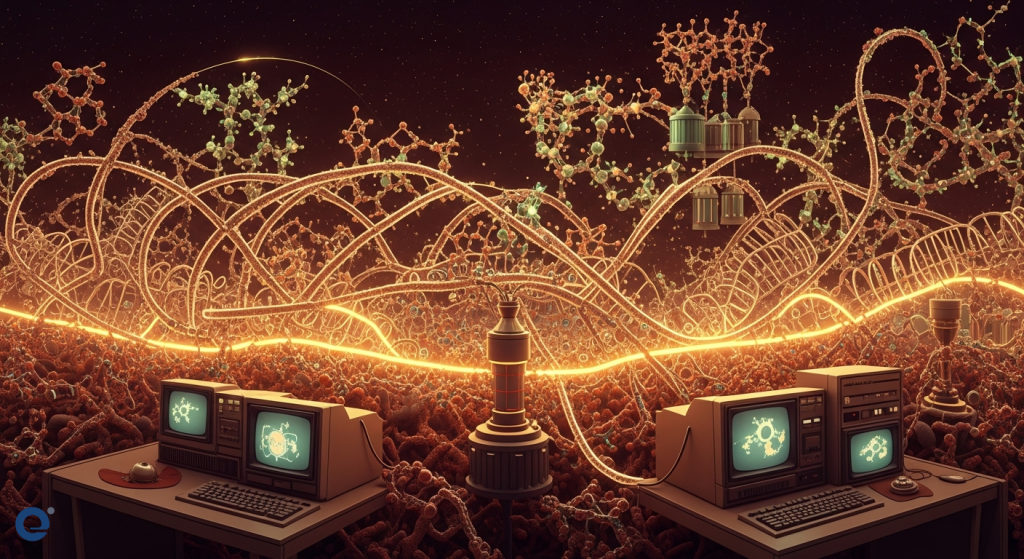
Core tools driving synthetic biology
A diverse array of molecular biology techniques forms the backbone of synthetic biology. These tools enable the precise manipulation and construction of biological systems. They are essential for turning theoretical designs into functional realities.
Gene synthesis
Gene synthesis[4] is a foundational tool. It allows scientists to create custom DNA sequences from scratch. This eliminates the need to extract genes from natural sources. Researchers can design entirely new genes or optimize existing ones. This capability is vital for building novel biological systems as highlighted by Danaher Life Sciences.
Genome editing
Genome editing technologies, such as CRISPR-Cas9, offer unparalleled precision. They enable targeted modifications to an organism's DNA. Scientists can insert, delete, or alter specific genes. This tool is critical for redesigning existing biological systems. It allows for enhanced functionality or the introduction of new traits.
Computational modeling and in silico design
Computer science plays a pivotal role. Computational modeling and in silico design predict biological system behavior. These tools reduce the need for extensive wet-lab experimentation. They save significant time and resources. Researchers can simulate complex interactions before physical construction. This optimizes designs and minimizes false hits.
Protein engineering
Protein engineering focuses on designing and modifying proteins. This alters their structure or function. Scientists can create enzymes with improved catalytic activity. They can also develop proteins with novel binding capabilities. This tool is crucial for developing new biological components.
High-throughput screening
High-throughput screening (HTS) allows rapid testing of many biological variants. It quickly identifies systems with desired characteristics. HTS accelerates the "Test" phase of the DBTL loop. This efficiency is vital for optimizing complex biological designs.
Applications powered by synthetic biology tools
The advanced tools of synthetic biology unlock numerous applications. These span various sectors, from medicine to environmental science. They promise solutions to some of the world's most pressing challenges.
Engineering microbial communities
Synthetic biology tools are transforming biotechnology. They enable the engineering of microbial communities[5]. These engineered consortia can perform diverse functions. Examples include bioproduction of medicines, biofuels, and biomaterials. They often use inexpensive carbon sources as detailed in Trends in Biotechnology.
Fighting superbugs
A significant application is the development of new antimicrobial therapies. Synthetic biology offers innovative strategies to combat antibiotic-resistant bacteria. Researchers engineer microbial cells to fight superbugs. They build metabolic pathways and biological circuits to control cellular behavior. This includes creating communication systems between microorganisms according to research published in Frontiers.
Bioproduction and sustainable solutions
Synthetic biology tools are also crucial for sustainable bioproduction. They enable the creation of organisms that produce valuable compounds. This includes pharmaceuticals, industrial chemicals, and sustainable energy sources. The ability to precisely engineer metabolic pathways makes these applications possible. Therefore, synthetic biology contributes significantly to a greener future.
The future of genetic research
The continuous development of synthetic biology tools promises even greater breakthroughs. As these tools become more sophisticated, the complexity of engineered biological systems will increase. This will lead to novel therapies, advanced diagnostics, and sustainable industrial processes. Genetic research labs will continue to be at the forefront of this exciting scientific frontier.
More Information
- Synthetic Biology: An interdisciplinary field that applies engineering principles to biology, focusing on the design and construction of new biological parts, devices, and systems, or the redesign of existing natural biological systems.
- Genetic Circuits: Engineered networks of genes and regulatory elements within a cell that perform specific logical functions, similar to electronic circuits, controlling gene expression and cellular behavior.
- DBTL Loop: Stands for Design, Build, Test, Learn. It is an iterative engineering cycle used in synthetic biology to systematically develop and optimize biological systems through repeated experimentation and refinement.
- Gene Synthesis: The process of creating artificial genes in the laboratory without the need for a natural DNA template, allowing for the custom design and construction of specific DNA sequences.
- Microbial Consortia: Defined communities of multiple microbial species that interact with each other, often engineered in synthetic biology to perform complex tasks or produce desired compounds more efficiently than single species.