
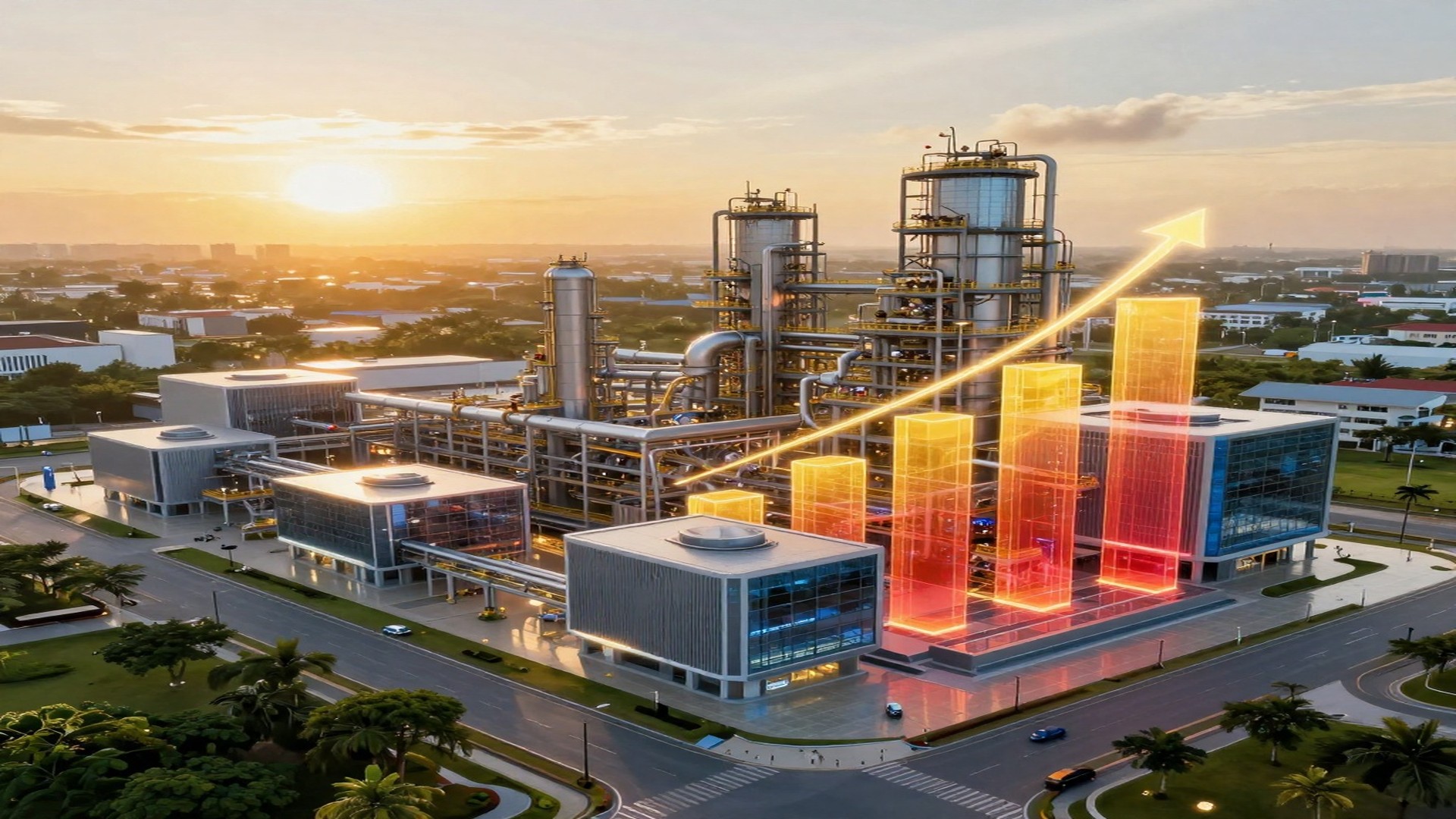
Vietnam – An Attractive Destination for International Manufacturing Investors
In the context of strong shifts in global supply chains, Vietnam has emerged as one of the most important manufacturing hubs in Southeast Asia. This attraction comes not only from its strategic geographical location and abundant human resources but also from strong supportive policies from the Government. In particular, policies on Tax incentives for foreign manufacturing units play a key role in driving Foreign Direct Investment (FDI) inflows into the processing and manufacturing sectors.
A clear understanding of tax regulations helps businesses optimize operating costs and increase competitiveness in the international market. These incentives are not limited to tax rate reductions but also include other financial levers such as import duty exemptions and land rent reductions. For a business newly entering the market, grasping the incentive roadmap is a strategic move to ensure long-term sustainable development.
Common Types of Corporate Income Tax (CIT) Incentives
Corporate Income Tax (CIT) is often the top concern for investors. In Vietnam, the standard tax rate is 20%; however, foreign manufacturing units can enjoy significantly lower preferential rates if they meet specific criteria.
1. Preferential Tax Rates of 10% and 17%
- 10% tax rate for a period of 15 years: Applies to new investment projects in areas with especially difficult socio-economic conditions, economic zones, or high-tech zones. Additionally, projects in high-tech fields, environmental protection, or software production are also eligible for this rate.
- 17% tax rate for a period of 10 years: For projects in areas with difficult socio-economic conditions or projects manufacturing educational equipment, or large-scale projects that do not qualify for the 10% rate.
2. Tax Exemption and Reduction Periods (Tax Holidays)
This is the strongest “magnet” attracting large corporations. This mechanism is often referred to as “4 years of exemption, 9 years of reduction” or “2 years of exemption, 4 years of reduction.”
- 4-year tax exemption, 50% reduction of tax payable for the next 9 years: Applies to enterprises implementing new investment projects in high-tech zones or areas with especially difficult conditions.
- 2-year tax exemption, 50% reduction of tax payable for the next 4 years: Applies to projects in industrial parks or areas with difficult conditions.
Import Duty and Value Added Tax (VAT) Incentives
In addition to income tax, manufacturing units also benefit from tax exemptions and reductions related to machinery and input materials. This is particularly important for capital-intensive and technology-intensive industries.
Import Duty Exemption for Fixed Assets
FDI enterprises, when setting up factories, are exempted from import duties on:
- Machinery and equipment used to create the project’s fixed assets.
- Specialized means of transport in a technological line that cannot yet be produced domestically.
- Components, details, and detached parts accompanied for synchronous assembly with machinery and equipment.
Incentives for Export Manufacturing Materials
For enterprises operating under the Export Processing Enterprise (EPE) model, they enjoy a 0% tax mechanism for imported goods serving production. This helps reduce the burden on cash flow and simplifies customs procedures, creating conditions for Vietnamese goods to reach the world at more competitive prices.
Land Rent and Production Site Incentives
Land is one of the largest fixed costs when establishing a manufacturing unit. The Vietnamese Government implements many support packages to minimize this cost for foreign investors:
- Exemption from land rent during the basic construction period (maximum of 3 years from the date of the land lease decision).
- Exemption from land rent for 3 to 15 years after the construction phase, depending on the investment location and incentive sector.
- Projects on the list of special investment incentives may be exempted from land rent for the entire lease term.
Conditions for Enjoying Tax Incentives for Manufacturing Units
Not all foreign enterprises automatically receive incentives. To apply these policies, a manufacturing unit needs to meet one or more of the following criteria:
- Investment location: Priority is given to remote areas, industrial parks, and economic zones approved by the Government.
- Investment sector: Focus on high technology, supporting industries, renewable energy production, and agriculture applying modern technology.
- Capital scale and labor usage: Projects with large total investment capital (e.g., over 6,000 billion VND) and those that create jobs for thousands of local workers often receive specific incentive packages.
- Technology transfer: Enterprises committed to training high-quality human resources and transferring modern techniques to the Vietnamese side.
Important Notes for Investors When Performing Tax Procedures
Although the legal framework for tax incentives is very clear, practical application requires careful preparation of documentation and compliance with regulations.
1. Self-Declaration and Self-Responsibility
Currently, Vietnam applies a self-declaration mechanism for tax incentives. Businesses need to determine for themselves which incentive category they belong to and perform the declaration in the annual tax finalization return. However, if the tax authorities later inspect and find that the business is not eligible, the penalties and tax arrears will be very high.
2. Documentation Proving Incentive Eligibility
Businesses need to keep full records such as: Investment Registration Certificate (IRC), Enterprise Registration Certificate (ERC), list of imported machinery and equipment, and periodic audit reports.
3. Updating Policy Changes
Tax policies may change to align with international commitments (such as the Global Minimum Tax – Pillar 2). Investors should regularly consult reputable legal and tax advisory units to adjust their business strategies in a timely manner.
Conclusion
Tax incentive policies for foreign manufacturing units in Vietnam are currently among the most attractive in the region. This is an important lever that helps businesses minimize financial risks in the initial stage and optimize profits during the stable operation phase. However, to take full advantage of these benefits, investors need to have a holistic view and a strict compliance strategy. Vietnam is not only a new world factory but also a potential investment environment for those who know how to seize opportunities from the Government’s supportive policies.