

Southeast Asia is currently witnessing a massive shift in its digital landscape. While the region has long been a consumer of global software platforms, the focus is now moving toward the foundational layer: physical computing capacity [2]. Nations are racing to secure their digital sovereignty by investing heavily in data centers, cloud networks, and semiconductor supply chains [2].
Vietnam stands at a critical juncture in this evolution. While some experts argue that no single ASEAN nation will dominate the AI sector in the near term due to talent and research gaps [1], Vietnam is emerging as a top-tier contender for rapid AI adoption [4]. The thesis of this article is that Vietnam can leapfrog regional peers by leveraging its unique digital infrastructure growth, provided it balances aggressive capacity expansion with sustainable energy management.
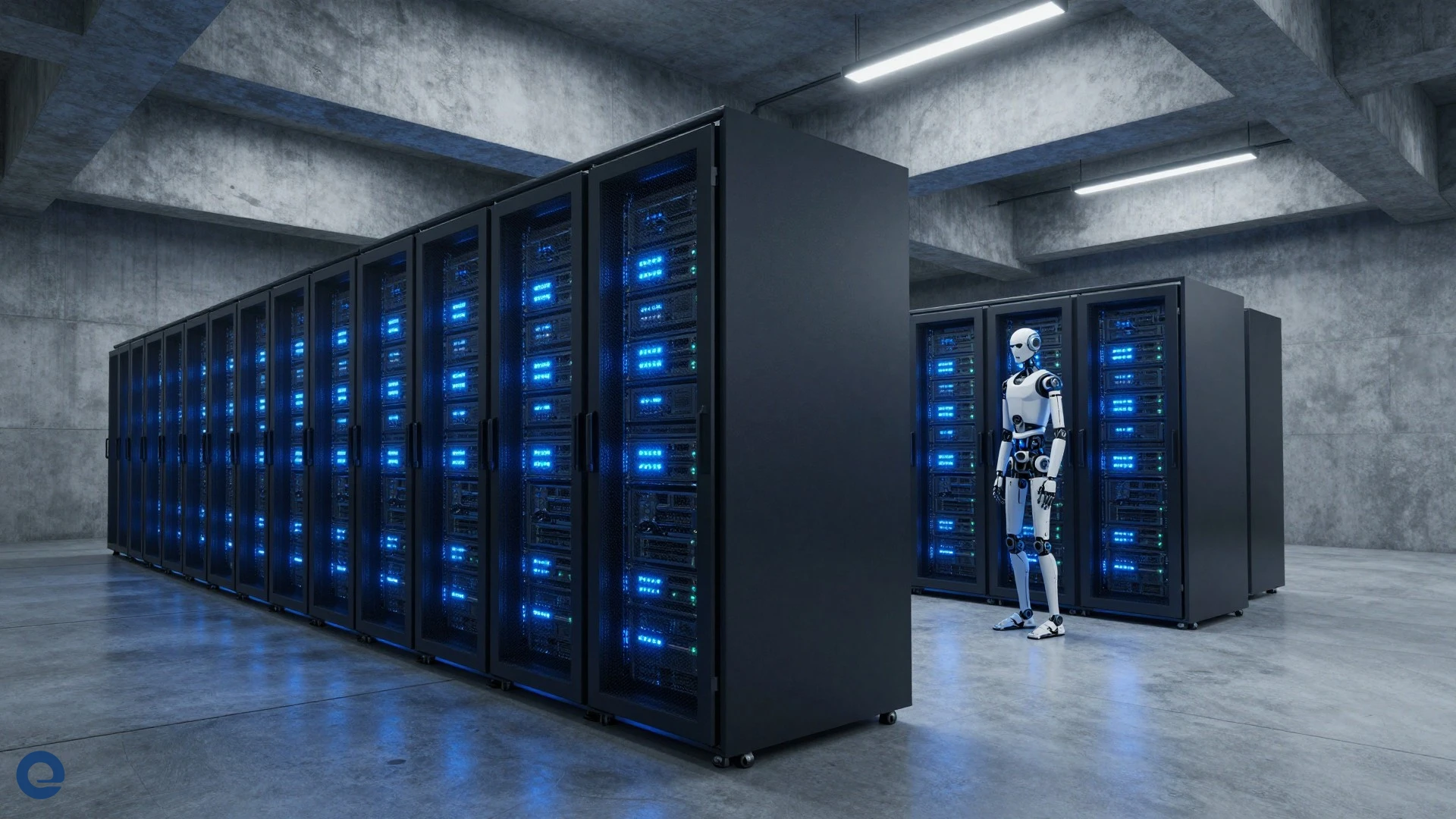
The shift from software consumption to hardware creation
For years, the Southeast Asian digital economy was defined by the rapid growth of e-commerce, ride-hailing, and digital payments. Today, the focus has shifted to what lies beneath the surface [2]. As generative AI and real-time automation become standard, companies realize that software strategies are incomplete without robust computational power [2]. EON Tech has observed that businesses are now prioritizing low-latency cloud services to meet the demands of finance, logistics, and healthcare sectors [2].
This infrastructure race is not merely a temporary trend. It is a response to the practical bottlenecks of cloud service latency and hardware limitations [2]. Vietnam is actively positioning itself to capture this value by investing in hyperscale facilities that can support large-scale AI workloads [5].
Comparative landscape of regional competition
To understand Vietnam's position, we must compare it against regional leaders and emerging hubs. The following table highlights the strategic focus of key ASEAN players:
- Singapore: The established regional leader, now pivoting toward high-value research and development due to land and energy constraints [1].
- Malaysia: A strong contender in the semiconductor and data center space, currently attracting major cloud provider investments [2].
- Vietnam: An emerging secondary market that is rapidly upgrading its infrastructure to attract foreign capital and accelerate AI application[4].
- Indonesia: Leveraging state-backed data parks to build a massive internal market for digital services [2].
While Singapore remains the "command center," the influx of capital is moving toward emerging markets like Vietnam [5]. This migration provides a unique opportunity for Vietnam to integrate itself into the global supply chain [5].
The energy and policy paradox
Infrastructure growth brings significant risks. The experience of Malaysia, which had to pause non-AI data center projects due to resource constraints, serves as a warning for Vietnam [5]. Scaling AI capacity requires immense amounts of electricity and water [5]. Policymakers must therefore ensure that the readiness of digital infrastructure is matched by a stable and sustainable energy supply [5].
Vietnam’s competitive advantage lies in its ability to adapt quickly [3]. By creating "sandboxes" for AI experimentation, the government can foster innovation without the burden of rigid legacy regulations [4]. However, the lack of high-level technical talent and world-class STEM research remains a hurdle that must be addressed through international academic partnerships [1].
Strategic imperatives for policymakers
To lead the regional AI race, Vietnam should focus on three strategic pillars:
- Infrastructure resilience: Prioritize energy-efficient data centers that utilize green technology to avoid the resource traps seen in other markets [5].
- Human capital development: Expand STEM education and incentivize partnerships with top-tier global universities to bridge the current talent gap [1].
- Regulatory agility: Continue to refine legal frameworks that allow for data sovereignty while encouraging cross-border research and development [2].
The AI race in Southeast Asia is not a sprint but a marathon of system integration [5]. Vietnam's ability to balance its rapid digital growth with sustainable infrastructure will ultimately determine its standing on the global stage [5]. By focusing on these systemic requirements, Vietnam can transform from a rising digital market into a regional AI powerhouse [4].
More Information
- ASEAN: The Association of Southeast Asian Nations, a political and economic union of 10 member states, currently home to a young, tech-savvy population and a rapidly growing digital economy [1].
- Data center: A physical facility used to house critical applications and data, serving as the essential infrastructure for cloud computing and artificial intelligence workloads [2].
- Digital infrastructure: The foundational framework of hardware, software, and network connectivity that enables digital services, including internet access and high-performance computing [3].
- Generative AI: A type of artificial intelligence technology that can produce various types of content, including text, imagery, and audio, driving the demand for massive computational power [4].
- Hyperscale: The ability of an architecture to scale appropriately as increased demand is added to the system, typically associated with large-scale cloud and AI data center providers [5].