
The Rise of the Influencer Profession and the Burden of Equipment Costs
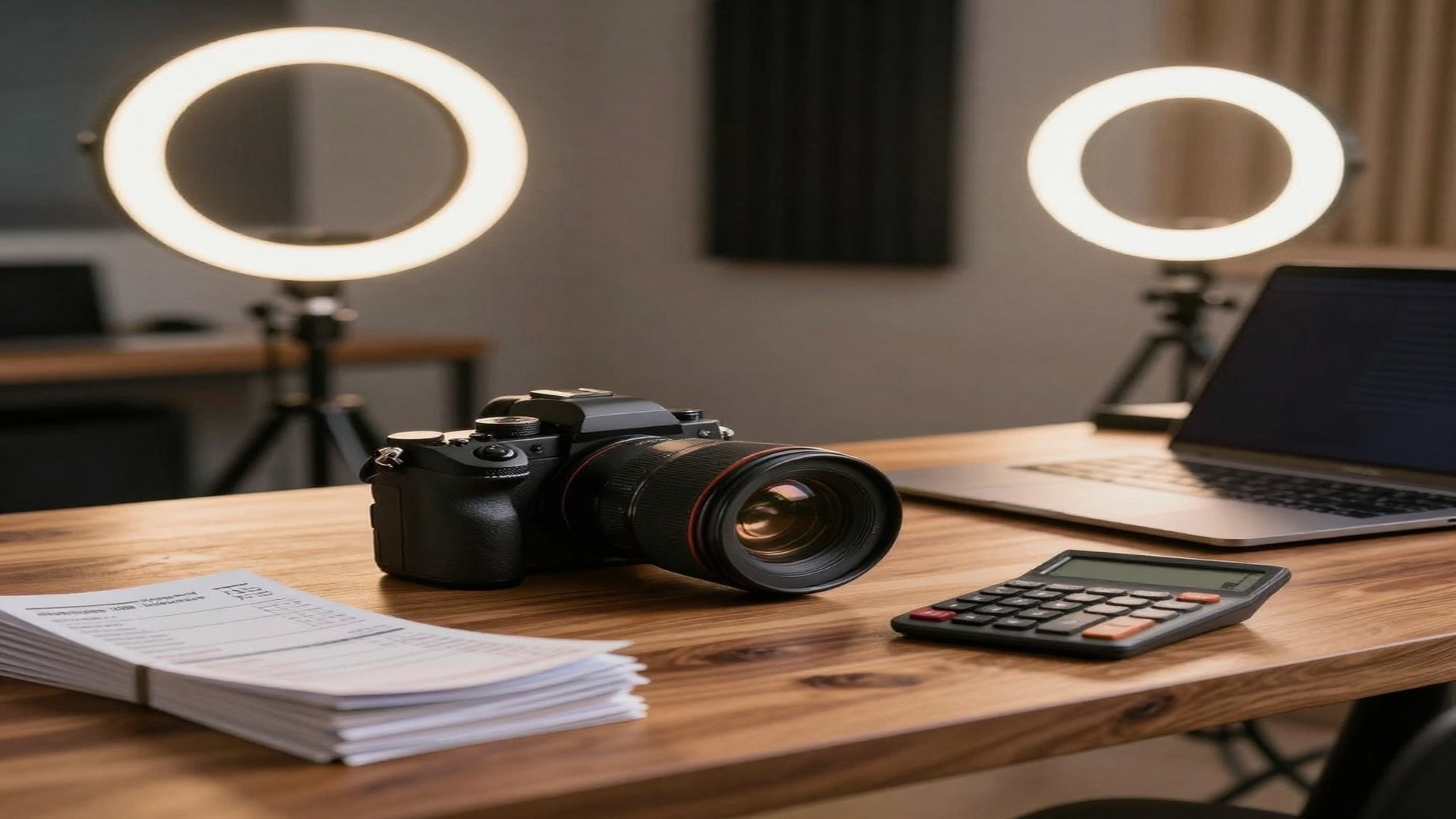
In today’s digital era, the Influencer profession is no longer a mere hobby but has become a real business industry with massive revenue. However, to create sharp 4K footage or million-view artistic photo sets, content creators must invest a significant budget into hardware systems. From the latest Mirrorless cameras and specialized lenses to studio lighting systems, costs can reach hundreds of millions of VND.
For many beginners, paying for these devices is a major financial pressure. However, the good news is that you can reduce this burden through tax incentive policies. Understanding Tax Deductions for Influencer Camera Equipment not only helps you save money but also helps your personal business operate more professionally from day one.
Mastering tax deduction regulations helps Influencers optimize cash flow and reinvest in subsequent creative projects. Instead of viewing a camera purchase as a lost expense, learn how to turn them into a legal tax reduction tool. This article will delve into every aspect of tax deductions for filming and photography equipment, helping you keep more profit from your creative efforts.
Conditions for Camera Equipment to Be Tax Deductible
Not every camera you buy is automatically accepted by tax authorities as a valid expense. To be deductible, your equipment must meet the following basic standards:
1. Ordinary and Necessary
The expense must be considered “ordinary” in the content creation industry and “necessary” for your business operations. For example, if you are a YouTuber specializing in tech reviews, owning a high-quality camera is obvious. However, if you only write text-based blogs and never post videos or photos, purchasing a professional camera setup might be questioned by tax authorities.
2. Business Use Purpose
This is the most important factor. The equipment must be used to generate income. If you use the camera 100% for work, you can deduct its full value. If you use it 70% for work and 30% for personal purposes (such as family photos or private travel), you are only allowed to deduct 70% of the purchase cost.
Categories of Deductible Influencer Equipment
Many Influencers mistakenly believe that only the camera body counts. In reality, the list of deductible supporting equipment is much broader:
- Camera Bodies: DSLR, Mirrorless, or specialized camcorders.
- Lenses: Wide-angle, portrait, and macro lenses serving specific content needs.
- Audio Equipment: Lavalier microphones, directional microphones, and audio mixers.
- Lighting Systems: Softboxes, ring lights, and RGB LED lights.
- Supporting Accessories: Tripods, gimbals, memory cards, and spare batteries.
- Drones: If your content requires aerial shots.
Deduction Methods: Depreciation or One-Time Deduction?
When it comes to accounting for camera costs, there are two common methods that Influencers should note, depending on the tax regulations in their country:
Asset Depreciation
Cameras are often considered fixed assets with long-term use value. Instead of deducting the entire cost in the year of purchase, you break down the camera’s value to deduct it gradually over several years (usually 3 to 5 years). This provides you with a stable annual tax deduction.
Full Deduction (Section 179 or Equivalent)
In some regions, there are regulations that allow small businesses to deduct the entire cost of equipment in the very first year of purchase. This is extremely beneficial if you have high revenue that year and want to minimize the amount of tax payable immediately.
Record-Keeping Process to Avoid Legal Risks
Tax authorities can request proof of your deductions at any time. To protect yourself, follow these steps:
Keep All Invoices
Never throw away purchase invoices. Scan them and store them in the cloud (Google Drive, Dropbox). Invoices need to clearly show the date of purchase, equipment name, and the amount paid.
Equipment Usage Log
If you use the camera for both personal and business purposes, create a simple tracking sheet. Record the days you use the camera to film sponsored clips or take product photos. This is the strongest evidence if a tax audit occurs.
Use a Separate Bank Account
Ideally, you should have a separate bank account or credit card for your Influencer activities. When all equipment expenses are paid from this account, separating business and personal expenses becomes more transparent.
Common Mistakes When Deducting Camera Costs
To avoid falling into the “sights” of tax authorities, avoid the following mistakes:
- Reporting incorrect usage ratios: Claiming 100% business use while you actually use the camera for personal travel frequently is a major risk.
- Deducting entertainment equipment: Buying a camera for vlogging but including gaming consoles or other devices not directly related to content creation.
- Not distinguishing between “Hobby” and “Business”: If your channel does not generate income for a long period, tax authorities may consider it a hobby and disallow cost deductions.
Financial Expert Advice for Influencers
Tax management is not just about filling out forms; it is a long-term financial strategy. If you are in a strong growth phase, consider hiring an accountant or tax advisor specializing in the digital field. They will help you stay updated on the latest changes in tax laws and find deductions you might have missed, such as photo editing software costs (Adobe Creative Cloud) or studio rental fees.
Remember, every dollar saved in taxes is an extra dollar of profit earned. Investing in tax knowledge is just as important as investing in an expensive lens.
Conclusion
Understanding how to deduct taxes for camera equipment is a smart move for a professional Influencer. It not only helps you reduce financial pressure when upgrading equipment but also builds a solid foundation for your digital content business career. Start by storing your invoices carefully and researching current regulations to optimize your benefits today!