
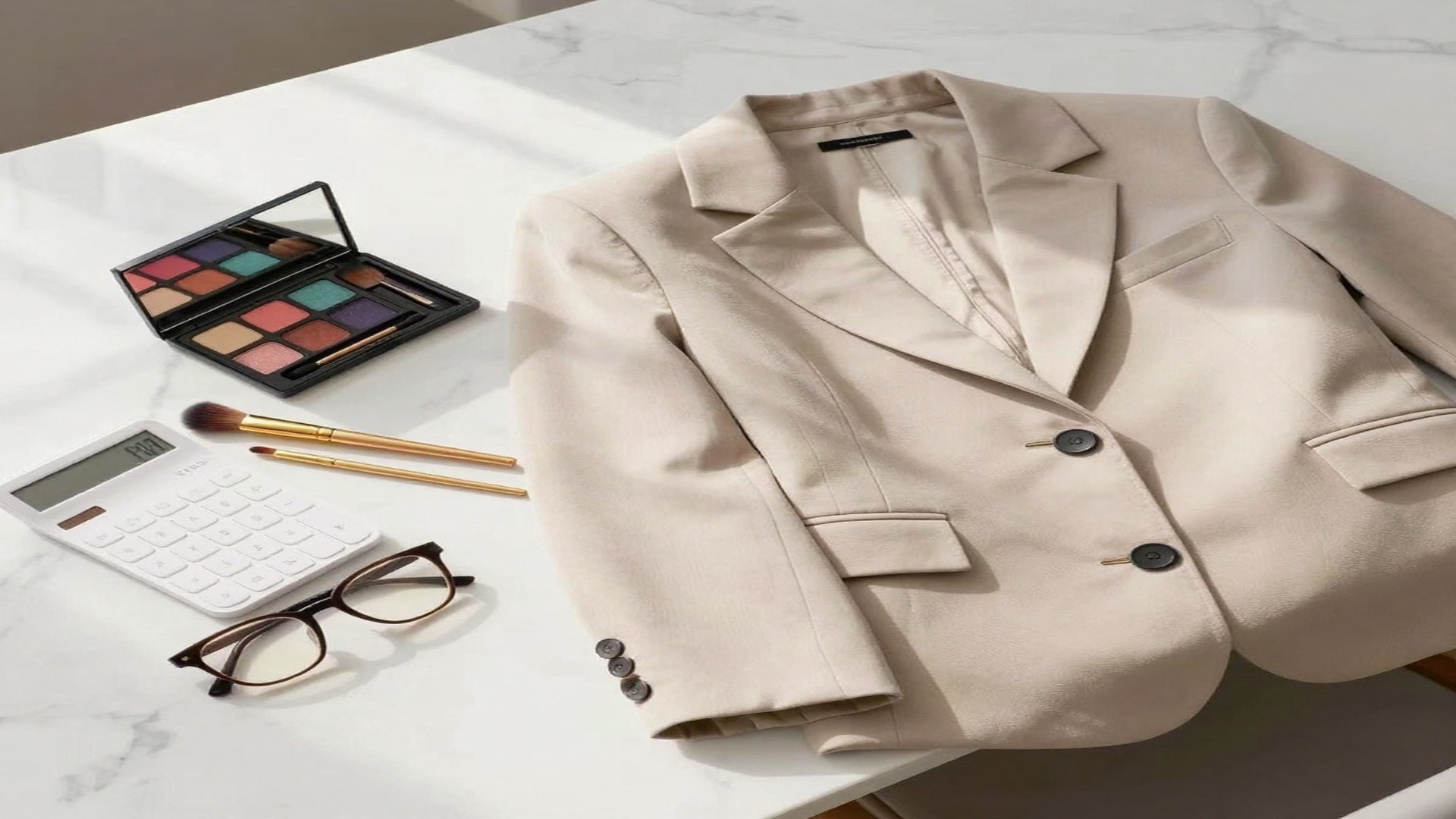
The High Cost of Looking Camera-Ready
In the world of professional content creation, the line between personal life and business often blurs. You spend hours scouting locations, editing transitions, and, most importantly, curating the perfect look for your audience. Whether it is a high-fashion haul for a luxury brand or a “get ready with me” (GRWM) video featuring a new skincare line, the expenses associated with your appearance can skyrocket. As your influence grows, so do your costs, leading many creators to wonder: can I actually write these expenses off on my taxes?
The short answer is yes, but the long answer is far more nuanced. Navigating the complexities of Deducting Clothing and Makeup for Brand Deals is essential for any serious creator who wants to maximize their take-home pay while staying on the right side of the tax authorities. Every dollar you spend on a sequined gown for a red-carpet event or a professional-grade foundation for a 4K video shoot could potentially be a tax deduction, provided you understand the specific rules that govern “ordinary and necessary” business expenses.
As a digital entrepreneur, you are essentially a walking billboard for your brand. However, the IRS and other global tax agencies do not always see a designer handbag or a luxury lipstick as a business necessity. To ensure you are keeping as much of your hard-earned brand deal money as possible, you need to dive deep into the criteria for what constitutes a legitimate business expense in the influencer economy.
The “Ordinary and Necessary” Rule
The foundation of all business deductions lies in the “ordinary and necessary” rule. For an expense to be deductible, it must be ordinary—meaning it is common and accepted in your trade or business—and necessary—meaning it is helpful and appropriate for your business. For a YouTuber or Instagrammer, “ordinary” might include ring lights, cameras, and editing software. But when it comes to clothing and makeup, the water gets a bit murky.
Tax authorities generally view clothing and personal grooming as personal expenses. Their logic is simple: everyone needs to wear clothes and maintain hygiene, regardless of their job. To break through this barrier, you must prove that the items purchased were specifically for your business and are not suitable for everyday wear. This is the “Uniform Test,” and it is the biggest hurdle for creators seeking to deduct their wardrobe.
The Uniform Test for Influencers
Historically, the courts have ruled that clothing is only deductible if it is required as a condition of employment and is not suitable for everyday use. Think of a surgeon’s scrubs, a construction worker’s steel-toed boots, or a mascot’s giant furry suit. For an influencer, this could include:
- Costumes for a themed video or a character you play.
- Branded apparel featuring your logo that you wear exclusively for promotion.
- High-performance athletic gear used specifically for a fitness brand deal that you do not wear outside of filming.
- Specialized safety gear required for a specific content niche (e.g., heavy-duty boots for a woodworking channel).
The challenge arises with “streetwear” or “high fashion.” Even if you only bought a specific Gucci blazer for a sponsored post and never intended to wear it again, the IRS might argue that because you *could* wear it to a wedding or a dinner party, it is a personal expense. To successfully claim these deductions, you need to document that the item was purchased specifically for a brand deal and, ideally, show that it remains part of your “studio wardrobe.”
Makeup and Grooming: Professional Kit vs. Personal Vanity
Much like clothing, makeup is often scrutinized. The tax man assumes you’d want to look good regardless of whether you’re filming a TikTok or going to the grocery store. However, there is a clear distinction between your daily mascara and a professional makeup kit used for high-definition filming.
If you are a beauty influencer, your makeup is your “cost of goods sold” or your primary business tool. In this case, the products you buy to review, swatch, and demonstrate are almost always deductible. But what if you’re a gaming streamer or a tech reviewer who just wants to look professional on camera? Here are some ways to categorize these costs:
- Stage Makeup: Heavy-duty foundations, contour kits, and specialized products used specifically to counteract the “wash-out” effect of professional studio lighting are generally deductible.
- Professional Services: If you hire a makeup artist or hairstylist specifically for a brand photoshoot or a public appearance related to your business, those service fees are 100% deductible.
- The “Kit” Approach: Keep your filming makeup separate from your personal makeup. By maintaining a dedicated professional kit that stays in your studio, you create a clearer boundary for tax purposes.
Brand Deals and Contractual Requirements
One of the strongest arguments for Deducting Clothing and Makeup for Brand Deals is the presence of a legal contract. If a brand deal contract specifically requires you to purchase a certain type of clothing, a specific shade of lipstick, or a particular aesthetic to fulfill the “deliverables,” you have a much stronger case for a deduction.
For example, if a brand pays you $5,000 to produce a video showcasing their “Summer Festival” line and requires you to wear three specific outfits from their collection, those outfits are a direct cost of fulfilling that contract. If the brand does not provide the clothes for free (which would be “barter income”), and you must purchase them yourself, they become a business expense. Always keep a copy of the contract alongside the receipt to show that the purchase was a requirement of your income-generating activity.
Documentation: Your Best Defense Against an Audit
The secret to successful tax deductions isn’t just knowing the rules; it’s having the receipts—literally. If you are ever audited, “I used it for a video” won’t be enough. You need a paper trail that connects the expense to the revenue.
How to Record Your Expenses
- Digital Folders: Save a PDF of every receipt. Many creators use apps like Quickbooks or Expensify to snap photos of physical receipts immediately.
- The “Link Method”: In your expense spreadsheet, include a link to the specific video or post where the clothing or makeup was used. This provides immediate proof of business use.
- Separate Accounts: Never mix personal and business funds. Use a dedicated business credit card for all brand-deal-related purchases. This makes it much easier to track “wardrobe” expenses versus “personal shopping” expenses.
- Photos of the “Studio Wardrobe”: If you have a rack of clothes that are only for filming, take a photo of it. This helps demonstrate that these items are treated as business assets rather than a personal closet.
Common Pitfalls to Avoid
While it’s tempting to write off every Sephora trip as a “research expense,” being too aggressive can trigger an audit. Here are some red flags to watch out for:
1. The “Everyday Use” Trap
If you deduct a pair of Lululemon leggings because you wore them in one 15-second “day in the life” vlog, but then you wear them to the gym every day for the next year, that is not a business expense. Tax authorities look for “exclusive use.” If an item has significant personal utility, it’s best to either not deduct it or only deduct a very small, defensible percentage.
2. Excessive Grooming
General maintenance like haircuts, manicures, and teeth whitening are almost never deductible, even for influencers. The courts have consistently ruled that these are personal expenses because they stay with you 24/7. The exception is if you need a “temporary” change for a specific role or shoot (e.g., blue hair dye for a specific character that you then dye back).
3. Barter Income Confusion
Remember that if a brand sends you $500 worth of clothes for free in exchange for a post, that $500 is technically taxable income. You cannot deduct the “value” of those clothes because you didn’t spend any money on them. However, you must report the value as income, which is a common mistake that leads to underreporting.
Conclusion: Play it Smart, Not Just Stylish
Managing the financial side of a creative career can be daunting, but mastering the art of Deducting Clothing and Makeup for Brand Deals is a vital step in turning your passion into a sustainable business. By understanding the “ordinary and necessary” requirements, keeping meticulous records, and distinguishing between your personal life and your professional persona, you can significantly reduce your tax liability.
When in doubt, always consult with a tax professional who specializes in the creator economy. Laws vary by country and state, and a specialized CPA can help you find the “sweet spot” between being tax-efficient and being audit-proof. Your brand is your business—treat your wardrobe and makeup kit with the same professional scrutiny you apply to your content, and you’ll be well on your way to financial success.