
Income Optimization: A Guide to Home Office Expense Deductions for Creators
Working from home has become a new standard for the content creator community. From YouTubers and TikTokers to freelance writers, living spaces are now also the production sites for content with millions of views. However, the sad reality is that many creators are missing out on opportunities to save thousands of dollars every year simply because they don’t know how to take advantage of valid tax deductions. Understanding the process of Claiming Home Office Expenses as a Creator not only helps reduce your financial burden but also demonstrates a professional and planned work style.
In this article, we will dive deep into the world of home office expenses, how to determine eligible workspace areas, and tips to keep your tax records transparent to the authorities. Don’t let your hard-earned money go to waste just due to a lack of basic accounting knowledge.
Whether you own a professional studio or simply have a small desk corner in your living room, mastering tax regulations will provide a massive competitive advantage. Let’s begin the journey of optimizing your budget right now.
What Qualifies as a Valid Home Office?
You can’t just put a laptop on your bed and call it a home office to claim a tax deduction. Tax authorities often have very strict regulations to distinguish between personal living space and professional workspace. To qualify, your office typically must meet two core criteria:
1. Exclusive and Regular Use
This means that the area you choose for your office must be used solely for business purposes. If you work at the dining table—where the family regularly gathers for meals—that space is very unlikely to be accepted as a home office. Conversely, a separate room or a clearly partitioned corner of a room used only for filming, video editing, or writing would be a strong candidate for a deduction.
2. Principal Place of Business
You must be able to prove that this is where you spend the majority of your time performing income-generating activities. For a content creator, this is relatively easy since most stages from ideation and production to post-production take place at home.
Two Common Methods for Calculating Expenses
Currently, there are two main ways to calculate the amount you can deduct. Depending on your scale and financial management style, you can choose the most suitable method:
- Simplified Method: You will be deducted a fixed amount per square foot (or square meter) of office space, up to a certain limit. This method doesn’t require keeping too many detailed receipts, but the deduction amount might be lower than reality.
- Actual Expenses Method: You calculate based on the percentage of office space relative to the total area of the house. Then, you apply this percentage to all related costs such as electricity, water, internet, and rent. This way helps maximize your deduction but requires extremely careful receipt storage.
Expenses That Creators Frequently Deduct
As a creator, your list of expenses is often more diverse than those of traditional office jobs. Here are the items you shouldn’t overlook:
Rent and Mortgage Interest
If you are renting, a portion of the rent corresponding to the office area will be deductible. If you own the home, you can deduct a portion of the mortgage interest and property depreciation.
Utilities and Telecommunication Services
Internet is the “lifeblood” of a content creator. You can deduct a portion of your internet bill, electricity (to run computer rigs, studio lights), and water. Note that if you have a separate phone line dedicated solely to work, you can deduct 100% of that cost.
Equipment and Furniture
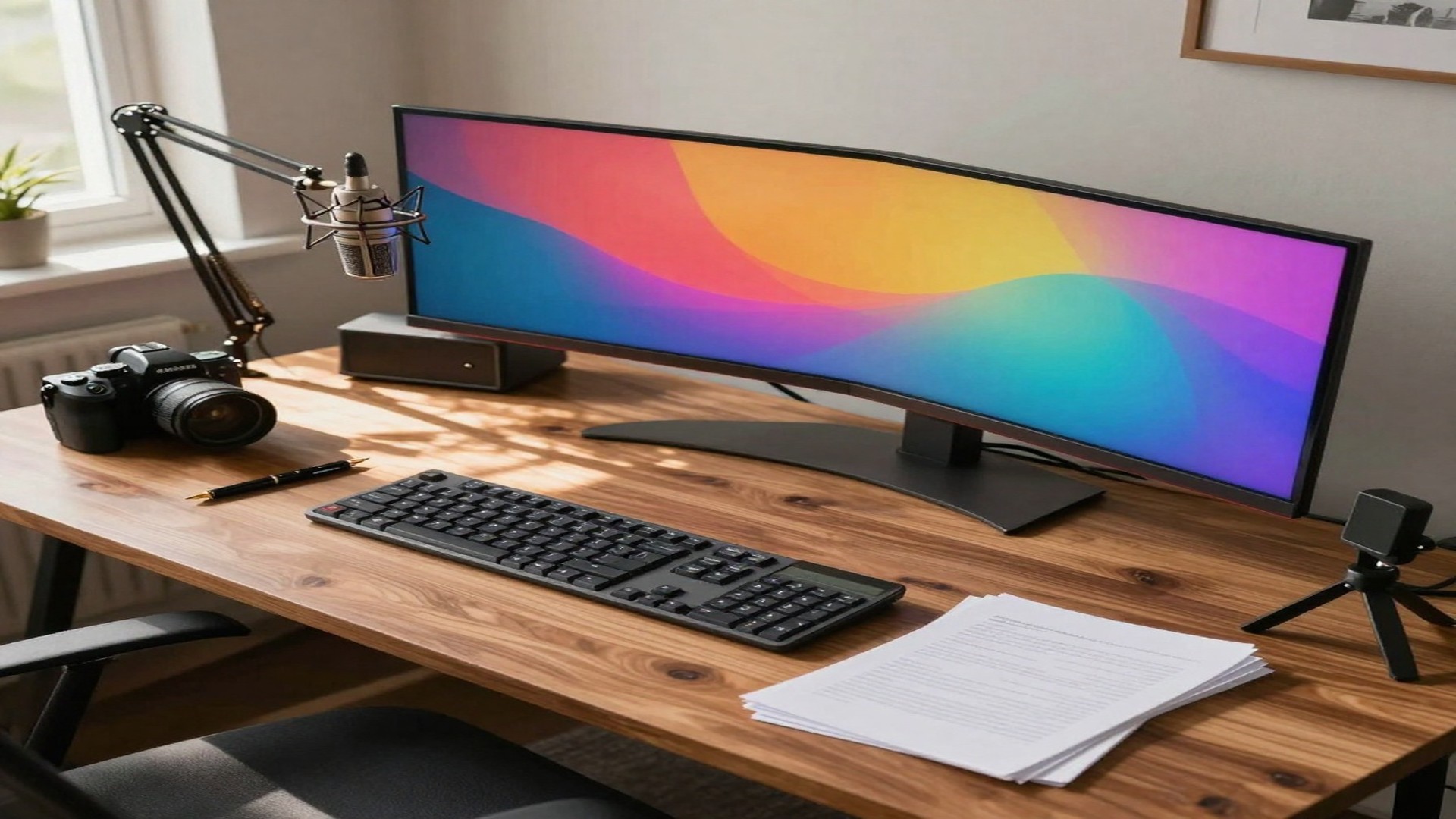
Desks, ergonomic chairs, bookshelves used as backdrops, or even acoustic foam can be included in office expenses. For expensive equipment like computers or cameras, you can choose to deduct the entire amount in the year of purchase (if eligible) or depreciate it over several years.
Repairs and Maintenance
If you repaint the workspace or repair a window in the office area, these costs are typically directly deductible. If it’s a general repair for the entire house (such as fixing the roof), you are only allowed to deduct based on the percentage of the office area.
Secrets to Keeping Your Tax Records “Clean”
Claiming home office expenses can sometimes be a “red flag” that draws more attention from tax authorities to your records. To protect yourself, follow these principles:
- Keep all receipts: Use receipt-scanning apps or manually store them in monthly folders. Never rely on memory.
- Take photos of the workspace: A photo proving your workspace is set up professionally will be solid evidence in case of an audit.
- Separate bank accounts: Have a dedicated account for income and expenses related to your creative work. This makes year-end reconciliation extremely simple.
- Use accounting software: Tools like QuickBooks or Xero can help you automatically categorize expenses and calculate deduction ratios accurately.
Conclusion: Investing in Tax Knowledge is Investing in the Future
The content creator profession is not just about being imaginative with ideas but also about managing a “one-person business” effectively. Understanding how to deduct home office expenses not only helps you retain more profit but also gives you a professional perspective on your career.
Remember, every tax dollar you legally save is money you can reinvest in new equipment, skill-enhancing courses, or simply a rainy-day fund for creative slumps. If you find it too complex, don’t hesitate to seek a tax consultant to ensure you are taking full advantage of all the benefits allowed by law.
Starting today, review your workspace, collect receipts, and prepare for a successful tax season. Your creative career deserves the best financial support from your own smart optimization efforts!