
The agricultural sector is at a pivotal moment, facing the dual challenges of feeding a growing global population and mitigating the impacts of climate change. Effective pest and disease management are crucial for ensuring crop yields and food security. Traditionally, these challenges have been addressed through manual inspection, broad-spectrum pesticide application, and reactive strategies. However, these methods are often inefficient, environmentally damaging, and can lead to pest resistance. Fortunately, the advent of Artificial Intelligence (AI) is ushering in a new era of precision agriculture, offering sophisticated solutions for proactive and effective crop protection. This technological revolution promises to transform how we safeguard our food sources and build a more sustainable future. For a broader understanding of this transformative shift, explore our main article on Agriculture and AI: Steps Towards a Green Future.
The core of AI-driven pest and disease management lies in its ability to process vast amounts of data and identify patterns that are imperceptible to human observation. Machine learning algorithms, a subset of AI, can be trained on datasets comprising images of healthy and diseased plants, weather patterns, soil conditions, and historical pest outbreaks. This training allows AI systems to accurately identify specific pests and diseases at their earliest stages, often before visible symptoms appear. Early detection is paramount, as it enables timely and targeted interventions, minimizing crop damage and reducing the need for widespread chemical treatments. Imagine a farmer receiving an alert on their smartphone, pinpointing the exact location of a fungal infection on a specific section of their field, along with recommendations for treatment. This is the power of AI in action, moving agriculture from a reactive to a proactive stance.
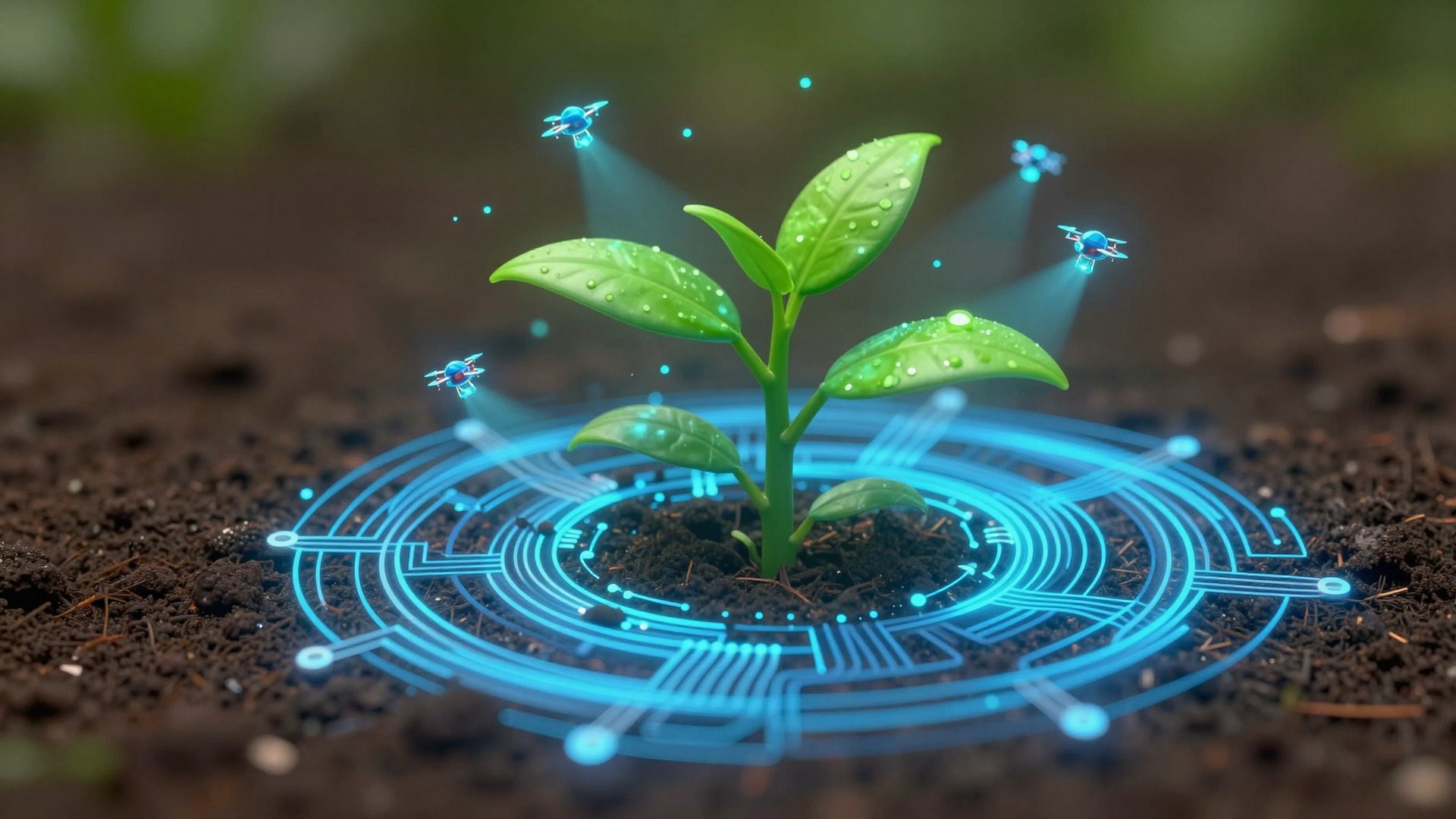
One of the most significant contributions of AI in this domain is through advanced imaging and sensor technology. Drones equipped with high-resolution cameras and multispectral sensors can systematically survey large agricultural fields. These sensors capture data across different light spectrums, revealing subtle physiological changes in plants that indicate stress, nutrient deficiencies, or early signs of pest infestation. AI algorithms then analyze this imagery, identifying anomalies and flagging areas of concern. This not only allows for rapid identification of problems but also provides valuable data for mapping disease spread and understanding its correlation with environmental factors. This granular level of insight empowers farmers to make informed decisions, optimizing resource allocation and minimizing environmental impact.
Furthermore, AI is revolutionizing the way we approach pesticide application. Instead of blanket spraying, which can harm beneficial insects and contribute to environmental pollution, AI enables precision application. By analyzing the data from drones and ground sensors, AI systems can create detailed maps of pest or disease hotspots. This information can then be used to guide robotic sprayers or even targeted drone applications, delivering pesticides only where and when they are needed. This not only reduces the overall volume of chemicals used but also minimizes the risk of resistance development and protects biodiversity within the agricultural ecosystem. This targeted approach is a cornerstone of sustainable agriculture.
The predictive capabilities of AI are another game-changer in pest and disease management. By analyzing historical data, current weather forecasts, and real-time sensor readings, AI models can predict the likelihood and timing of pest outbreaks or disease epidemics. This foresight allows farmers to implement preventative measures before an infestation occurs, such as adjusting irrigation schedules, applying protective biological agents, or preparing for specific pest life cycles. This proactive approach can significantly reduce crop losses and the economic burden associated with unexpected outbreaks. This predictive power can be further enhanced by integrating AI with weather forecasting models, allowing for more accurate risk assessments. For instance, understanding how weather patterns influence the spread of certain diseases is crucial for early intervention, a topic we delve into further with our article on Using AI to Predict Weather and Manage Natural Disaster Risks in Agriculture.
The integration of AI with the Internet of Things (IoT) further amplifies its effectiveness. IoT sensors deployed throughout the field can continuously monitor environmental conditions like temperature, humidity, soil moisture, and even the presence of specific airborne pathogens. This real-time data feeds into AI algorithms, creating a dynamic and continuously updated picture of the farm’s health. This interconnected network allows for immediate alerts and automated responses, creating a truly intelligent and responsive agricultural system. The synergy between AI and IoT is paving the way for the future of smart farming.
Moreover, AI is proving invaluable in the realm of biological pest control. By analyzing the behavior and efficacy of beneficial insects and microorganisms, AI can help optimize their deployment. It can identify the most effective times and locations to introduce these natural predators or agents, maximizing their impact and minimizing reliance on chemical alternatives. This is a significant step towards creating more resilient and ecologically balanced farming systems.
The economic benefits of AI-powered pest and disease management are substantial. Reduced crop losses, lower input costs (pesticides, water, labor), and increased yields all contribute to improved profitability for farmers. Furthermore, by promoting sustainable practices, AI helps farmers meet growing consumer demand for ethically and environmentally produced food, enhancing their market competitiveness.
However, the widespread adoption of AI in agriculture also presents challenges. These include the initial investment in technology, the need for digital literacy among farmers, and ensuring data privacy and security. Nevertheless, as AI technology becomes more accessible and user-friendly, these barriers are gradually being overcome. Educational initiatives and government support programs play a vital role in facilitating this transition.
In conclusion, Artificial Intelligence is not merely a tool; it is a transformative force in modern agriculture, particularly in the critical area of pest and disease management. From early detection and precise intervention to predictive forecasting and the optimization of biological controls, AI offers a comprehensive suite of solutions that enhance efficiency, sustainability, and profitability. As we continue to embrace these advanced technologies, we move closer to a future where our crops are healthier, our food systems are more secure, and our agricultural practices are in harmony with the environment. The potential for AI to revolutionize crop protection is immense, and its continued development and implementation will be key to addressing the agricultural challenges of the 21st century. For a deeper dive into how AI is reshaping the agricultural landscape, consider reading about AI Applications in Effective Crop Pest and Disease Management.